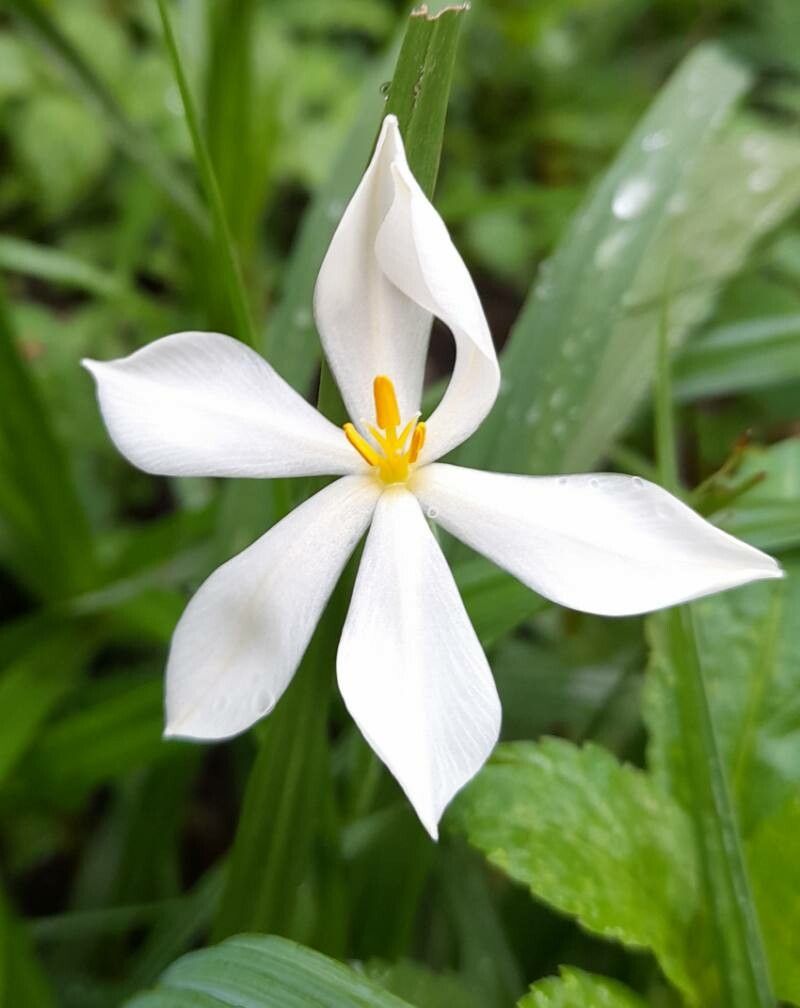
Hello fellow plant enthusiasts! Today, we’re diving into the delightful world of Eleutherine latifolia, often called the ‘Cinnamon Lily’ or ‘Serpent Lily.’ Its broad, elegant leaves and intriguing, almost tropical vibe make it a real showstopper in any collection. And the best part? You can easily add more of these beauties to your green family through propagation. It’s so rewarding to watch a tiny piece of a plant transform into a whole new specimen. I find Eleutherine latifolia to be quite a forgiving plant when it comes to propagation, which makes it a wonderful project for both seasoned gardeners and those just starting out.
The Best Time to Start
My experience tells me the absolute best time to propagate Eleutherine latifolia is during its active growing season. Think late spring through summer. This is when the plant has the most energy stored up, giving your cuttings or divisions the best chance to establish themselves quickly. Trying to propagate when the plant is dormant, usually in the cooler months, will likely result in slower progress or even failure.
Supplies You’ll Need
To get started on your Eleutherine latifolia propagation adventure, gather these handy items:
- Sharp pruning shears or a clean knife: For making precise cuts.
- Well-draining potting mix: A good blend would be potting soil mixed with perlite or coarse sand (about a 3:1 ratio). You want to avoid anything that stays soggy.
- Small pots or seedling trays: For housing your new plant babies. Make sure they have drainage holes!
- Rooting hormone (optional but recommended): This can give your cuttings a helpful boost.
- Watering can or spray bottle: For gentle watering.
- Clear plastic bag or propagation dome: To create a humid environment for cuttings.
- Labels: To keep track of what you’ve propagated and when.
Propagation Methods
Eleutherine latifolia is most commonly propagated through division, and it’s a joy to do.
Method: Division
- Gently remove the mother plant from its pot. It’s best to do this when the soil is slightly dry, as it makes it easier to handle.
- Inspect the root ball. You’ll notice that Eleutherine latifolia grows from bulbs or rhizomes, and these often produce offsets or smaller sections that have their own roots.
- Carefully tease apart the divisions. You can use your fingers to gently separate these new plantlets from the main clump. If they’re really stuck, a clean knife or trowel can help. The key is to ensure each division has at least one or two healthy roots and a bit of the bulb or rhizome.
- Pot up the divisions. Plant each division in its own small pot filled with your well-draining potting mix. Ensure the top of the bulb or rhizome is just at or slightly below the soil surface.
- Water lightly. Give them a gentle watering to settle the soil. Avoid drowning them.
While division is the star, you can sometimes be successful with stem or leaf cuttings, though it’s less common for this particular plant and can be more finicky. If you choose to try it:
- Take a cutting about 4-6 inches long from a healthy stem, ensuring it has at least two leaf nodes. You can also try using a healthy leaf with a small bit of the stem attached.
- Remove the lower leaves so they don’t rot when placed in the soil or water.
- Dip the cut end in rooting hormone (if using).
- Plant the cutting in your prepared potting mix, burying the cut end and at least one leaf node. Or, place the cut end in a small jar of water, making sure no leaves are submerged.
- Create a humid environment by covering the pot with a clear plastic bag or placing it under a propagation dome.
The “Secret Sauce” (Pro Tips)
Here are a few little tricks I’ve learned over the years that can make a big difference:
- Don’t overwater new divisions! This is probably the most common mistake. The goal is slightly moist, not soggy. Overwatering at this stage is a fast track to rot.
- Consider bottom heat for cuttings. If you’re trying the cutting method, placing the pot on a gentle seedling heat mat can significantly speed up root development. You want the soil to be warm, not hot.
- Give them a bit of space (initially). When dividing, try not to pack too many tiny offsets into one pot. Giving them a little elbow room helps prevent overcrowding and allows for better air circulation, which is crucial for preventing fungal issues.
Aftercare & Troubleshooting
Once your new Eleutherine latifolia divisions are planted, keep them in bright, indirect light. Avoid direct sun, which can scorch tender new growth. Water sparingly – only when the top inch of soil feels dry to the touch. Be patient! It can take several weeks for them to show signs of new growth.
The most common sign of trouble is rot. If you see mushy stems or leaves turning yellow and wilting despite consistent watering, it’s likely rot. This is usually a sign of overwatering or poor drainage. If you suspect rot, pull the plant out of its pot, trim away any affected areas with a clean knife, and repot in fresh, dry potting mix. Allow it to dry out a bit more before watering again.
A Encouraging Closing
Propagating plants is such a rewarding journey. It’s a wonderful way to multiply your green treasures and share them with others. Don’t be discouraged if you encounter a setback – that’s part of the learning process! Simply observe, adjust, and keep trying. Enjoy watching your new Eleutherine latifolia plants grow and flourish. Happy planting!
Resource: