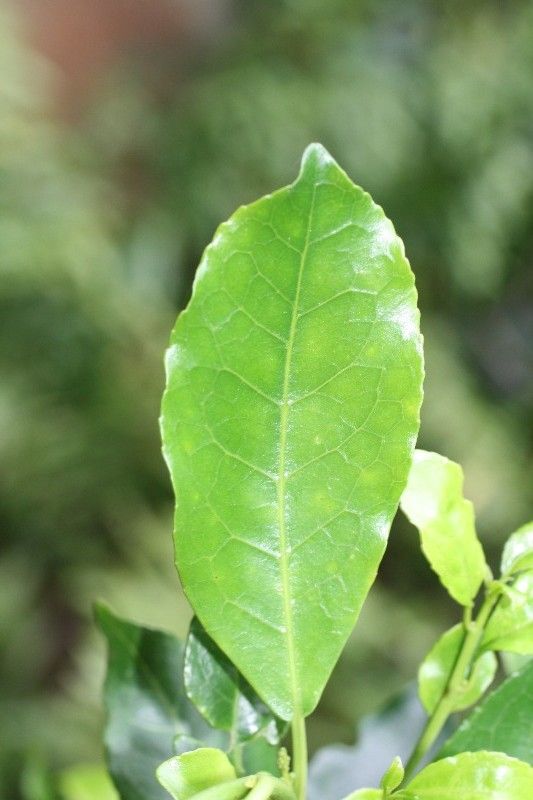
Hello there, fellow plant enthusiasts! If you’ve ever admired the delicate charm of Claoxylon parviflorum, you’re in for a treat. I’m here to share how you can multiply this lovely plant, bringing its airy foliage and subtle beauty to more corners of your home or garden. Trust me, nurturing a new life from a tiny cutting is one of the most satisfying parts of this hobby. For Claoxylon parviflorum, I’d say it’s moderately easy, making it a wonderful project for those ready to step up from beginner-level cloning.
The Best Time to Start
When it comes to getting the best results, spring is your absolute best friend for propagating Claoxylon parviflorum. This is when the plant is actively growing and has plenty of energy to put into developing new roots. Look for stems that are starting to get a bit woody, but still have plenty of green growth on them. Avoid anything too soft and new, or anything that’s flowering.
Supplies You’ll Need
Gathering your tools beforehand makes the whole process much smoother. Here’s what I like to have on hand:
- Sharp Pruning Shears or a Clean Knife: For making clean cuts.
- Rooting Hormone (Optional but Recommended): A little boost helps significantly.
- Well-Draining Potting Mix: A blend of potting soil, perlite, and a bit of peat moss works wonders.
- Small Pots or Seedling Trays: With drainage holes, of course!
- Plastic Bags or a Propagator: To create a humid environment.
- Watering Can with a Fine Rose: For gentle watering.
- Patience: The most crucial ingredient!
Propagation Methods
Let’s get our hands dirty! For Claoxylon parviflorum, stem cuttings are my go-to.
Stem Cuttings:
- Select a Healthy Stem: Find a stem that’s about 4-6 inches long and is actively growing.
- Make Your Cut: Using your sharp shears or knife, make a clean cut just below a leaf node (that little bump where a leaf grows from the stem). This is usually where roots will form most readily.
- Prepare the Cutting: Gently remove the lower leaves. You want to expose some of the nodes where you made the cut. If your cutting has large leaves, you can even slice them in half horizontally to reduce water loss through transpiration.
- Apply Rooting Hormone: Dip the cut end of the stem into your rooting hormone, tapping off any excess. This step can really speed things up.
- Plant Your Cutting: Fill your small pot with your well-draining potting mix. Make a small hole with your finger or a pencil and gently insert the cutting. Firm the soil around it.
- Water Gently: Water thoroughly but gently, ensuring the soil is moistened but not waterlogged.
- Create Humidity: Cover the pot with a plastic bag or place it in a propagator. This traps humidity, which is essential for cuttings to survive before they can take up water through their new roots. Make sure the leaves aren’t touching the sides of the bag if possible.
- Find a Good Spot: Place your pot in a bright location with indirect light. Avoid direct sun, which can scorch the delicate cuttings.
The “Secret Sauce” (Pro Tips)
Here are a couple of little tricks I’ve picked up over the years that can make a real difference:
- The Bottom Heat Boost: If you have a seedling heat mat, placing your pots on it can significantly speed up root development. The warmth encourages those roots to start pushing out.
- Air Out Daily: Even though you want humidity, it’s a good idea to remove the plastic bag or open the propagator for a few minutes each day. This helps prevent fungal issues and allows for fresh air exchange.
Aftercare & Troubleshooting
Once you start to see new leaf growth, that’s a fantastic sign! It means your cutting is likely working on roots. Gently tug on the cutting; if you feel resistance, it’s a good indicator that roots have formed.
- Gradual Acclimation: When roots are visible (you might see them peeking out of the drainage holes), slowly start to remove the plastic bag or open your propagator for longer periods over a week or so. This helps the new plant adjust to normal humidity levels.
- Watering: Continue to water when the top inch of soil feels dry. Avoid overwatering, which is the most common culprit for cuttings failing.
- Signs of Trouble: The biggest red flag is wilting followed by browning or blackening stems. This is often a sign of rot. If you see this, unfortunately, the cutting may be lost. It usually means the conditions were too wet, or there was a fungal issue. Don’t get discouraged; just try again!
A Little Encouragement
Propagating plants is a journey, and every gardener, no matter how experienced, has had cuttings that just don’t make it. The key is to be patient and enjoy the process of learning. Each attempt teaches you something new. Soon enough, you’ll be sharing your own Claoxylon parviflorum babies with friends and family! Happy propagating!
Resource:
https://identify.plantnet.org/k-world-flora/species/Claoxylon%20parviflorum%20A.Juss./data