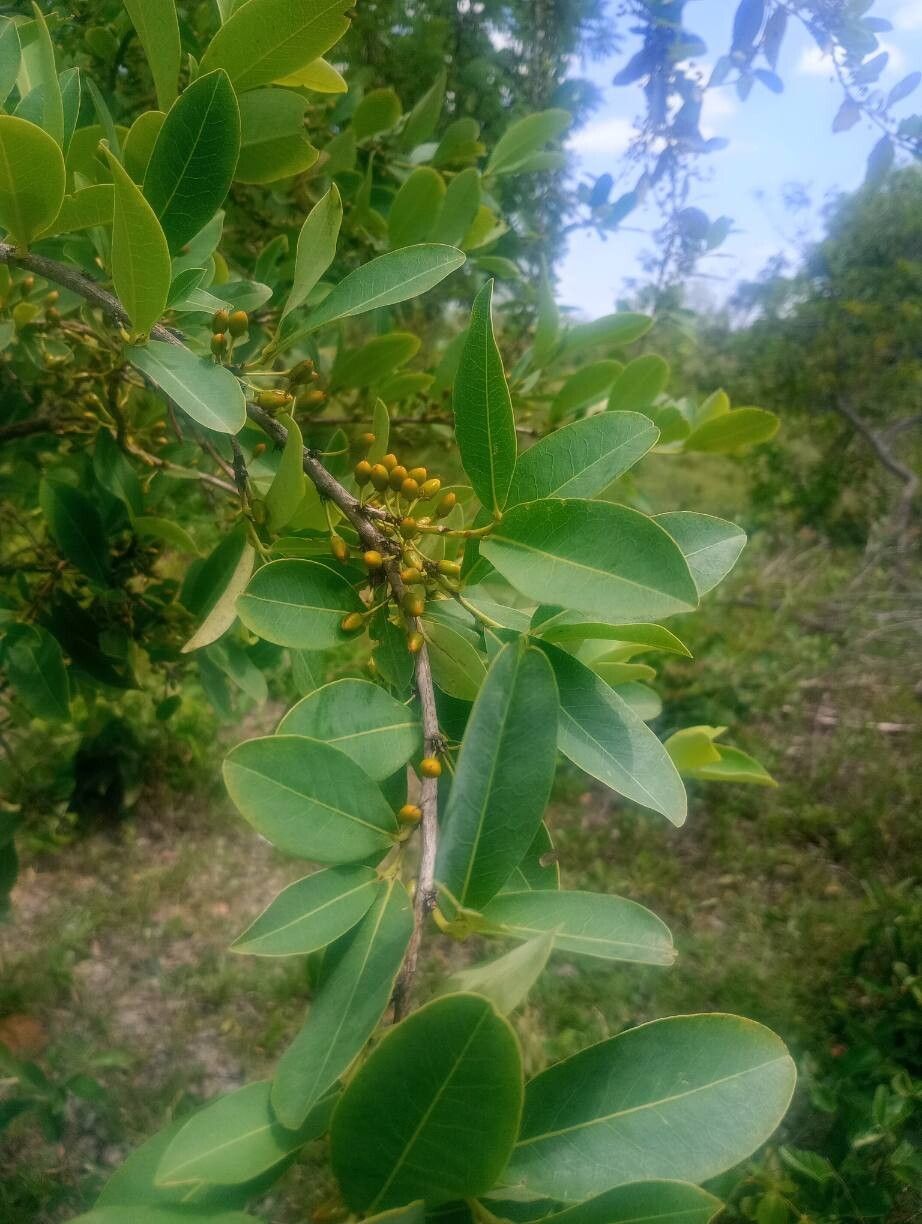
Let’s talk about a truly special plant: Erythroxylum deciduum. You might know it as the Brazilian Coca plant, though it’s important to clarify this isn’t the variety used for illicit purposes, but rather a beautiful, smaller relative with ornamental appeal. Its glossy, ovate leaves and delicate white flowers make it a charming addition to any collection. Propagating it feels like unlocking a little bit of botanical magic, and though it can be a smidge fussy, it’s a deeply rewarding process once you get the hang of it. I’d say it’s a solid medium difficulty – definitely achievable, but perhaps not your very first plant project.
The Best Time to Start
Honestly, the sweet spot for propagating Erythroxylum deciduum is during its active growing season. Think late spring through early summer. This is when the plant has plenty of energy to put into developing new roots. I’ve found starting cuttings when the plant is neither in peak bloom nor trying to recover from stress yields the best results.
Supplies You’ll Need
Gathering your tools before you begin makes the whole process smoother. Here’s what I reach for:
- Sharp pruning shears or a scalpel (sterilized, of course!)
- Rooting hormone (gel or powder works well)
- A well-draining potting mix. I like a blend of perlite, coco coir, and a bit of orchid bark. Good aeration is key!
- Small pots or seedling trays with drainage holes.
- A plastic bag or cloche to create a humid environment.
- A spray bottle for misting.
- Optional: A heating mat for bottom warmth.
Propagation Methods
For Erythroxylum deciduum, stem cuttings are my go-to method. It’s reliable and generally leads to the most success.
- Take Your Cuttings: Find a healthy, non-flowering stem on your parent plant. Using your sterilized shears or scalpel, make a clean cut just below a leaf node (where a leaf attaches to the stem). Aim for cuttings that are about 4-6 inches long and have at least two to three sets of leaves.
- Prepare the Cuttings: Gently remove the lower leaves from the cutting, leaving just two or three at the top. This prevents them from rotting in the soil.
- Apply Rooting Hormone: Dip the cut end of the stem into your rooting hormone, ensuring it’s coated. Tap off any excess.
- Plant the Cuttings: Fill your small pots with the well-draining mix. Make a pilot hole with a pencil or your finger, then insert the cutting. Firm the soil gently around the base.
- Create Humidity: Water the soil lightly. Then, place the potted cuttings inside a plastic bag or cover them with a cloche. This creates that essential humid microclimate. Make sure the leaves aren’t pressed directly against the plastic.
The “Secret Sauce” (Pro Tips)
After years of tinkering, a couple of things consistently make a difference when propagating these beauties:
- Bottom Heat is Your Friend: Erythroxylum deciduum absolutely loves a bit of warmth from below. Placing your pots on a heating mat set to a gentle warmth (around 70-75°F) will significantly speed up root development. It’s like giving them a cozy little incubator.
- Don’t Drench, Just Dampen: It’s so tempting to water things thoroughly, but for these cuttings, a slight dampness is perfect. Overwatering is a surefire way to invite rot. I usually give the soil a gentle misting and then only water again when the top inch of the soil feels dry to the touch.
- Patience, Young Grasshopper: Seriously, these can be slow rooters. Don’t be disheartened if you don’t see much activity for several weeks. I often find that a good pull on the cutting (very gently!) will resist if roots have formed.
Aftercare & Troubleshooting
Once you start to see signs of new leaf growth, that’s a good indicator that roots are forming! You can gently tug on the cutting; if it resists, roots are making their appearance. At this point, you can gradually acclimatize your new plants to lower humidity. Start by opening the plastic bag for a few hours each day, slowly increasing the time until they are fully exposed. Continue to water sparingly, allowing the soil to dry slightly between waterings.
The main nemesis here is rot. If you notice your cutting turning mushy, blackening, or smelling foul, it’s likely succumbed to rot. This is usually due to too much moisture and poor air circulation. Unfortunately, at that point, it’s usually best to discard the affected cutting and start fresh, perhaps with a slightly drier mix or less frequent watering next time.
So, give it a go! Propagating Erythroxylum deciduum is a journey, and each success will bring a swell of pride. Be patient, observe your little plants closely, and don’t be afraid to experiment. Happy growing!
Resource:
https://identify.plantnet.org/k-world-flora/species/Erythroxylum%20deciduum%20A.St.-Hil./data