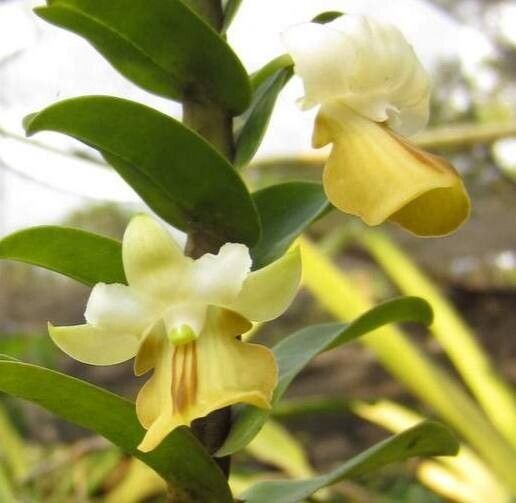
Oh, hello there! Come on in, pull up a chair. I’ve got a fresh pot brewing. Today, we’re diving into the wonderful world of Dendrobium austrocaledonicum. If you’re looking for an orchid that brings a touch of the exotic without being impossibly fussy, this one’s for you. Its delicate, often fragrant blooms are truly a delight, and the satisfaction of coaxing a new plant into existence from a parent is just… well, it’s magic, isn’t it? Now, is it a beginner-friendly orchid to propagate? I’d say it’s moderately so – with a little patience and the right approach, you’ll be rewarded.
The Best Time to Start
For Dendrobium austrocaledonicum, the sweet spot for propagation is typically when the plant is actively growing, usually after its blooming cycle. Think of it as giving your plant a little haircut and a chance to channel its energy into new life. Spring and early summer are generally the best windows, when warmer temperatures and longer daylight hours encourage robust growth and root development.
Supplies You’ll Need
Before we get our hands dirty, let’s gather our tools. Having everything ready makes the process so much smoother.
- Sharp, sterile pruning shears or a clean knife: For making precise cuts. Sterilize them with rubbing alcohol or a bleach solution to prevent disease.
- Orchid potting mix: A well-draining mix is crucial. I like using a blend of bark chips, perlite, and a little bit of sphagnum moss.
- Small pots or seed-starting trays: Clean and with drainage holes, of course!
- Rooting hormone (optional but recommended): A powder or gel can give those cuttings a helpful boost.
- Spray bottle filled with clean water: For misting.
- Clear plastic bags or a small greenhouse/humidity dome: To maintain humidity.
- Optional: Bottom heat mat: This can significantly speed up root formation.
Propagation Methods
There are a couple of great ways to multiply your Dendrobium austrocaledonicum. We’ll focus on the most reliable ones.
Stem Cuttings: Taking a Piece of the Action
This is a classic for many orchids, and Dendrobium austrocaledonicum responds well to it.
- Identify suitable stems: Look for mature pseudobulbs (those swollen stem-like structures) that have at least two or three nodes on them. Nodes are usually little bumps or joints where leaves would emerge.
- Make your cut: Using your sterilized shears or knife, cut the stem into sections, each with at least two nodes. It’s a good idea to make your cuts just below a node.
- Wipe away sap: Dendrobium can produce a sticky sap. Gently wipe each cutting with a clean, damp cloth to remove excess sap.
- Apply rooting hormone: If you’re using rooting hormone, dip the cut ends of each section into the powder or gel. This helps protect the cut and encourages root growth.
- Pot them up: Fill your small pots or trays with your prepared orchid mix. Gently insert the bottom end of each cutting into the mix, ensuring the nodes are buried or at least in contact with the medium. You can stick them upright or even lay them on their side – they’re quite adaptable!
- Create a humid environment: Water the mix lightly, then cover the pots with a clear plastic bag or place them in a humidity dome. Poke a few small holes in the bag for air circulation.
Keikis: Nature’s Little Helpers
Sometimes, your Dendrobium austrocaledonicum will naturally produce “keikis,” which are baby plantlets that grow from the mother plant. These are essentially mini versions of the parent and are a fantastic way to get a new plant.
- Wait for development: Let the keiki grow a bit. Ideally, it should have its own small leaves and some tiny root nubs.
- Carefully detach: Using your sterilized knife or shears, gently cut the keiki away from the mother plant, making sure to leave a small piece of the stem attached to the keiki. If the keiki has developed roots, try to preserve them.
- Pot it up: Pot the detached keiki in its own small pot with orchid mix, just as you would a stem cutting.
- Maintain humidity: Again, a humid environment is key for keikis to establish.
The “Secret Sauce” (Pro Tips)
Here’s where a little experience really comes in handy. These simple tricks can make a world of difference.
- Don’t let the leaves touch the water: If you’re propagating in water (though less common for this specific Dendrobium than in a mix), always ensure that the leaves and nodes are above the waterline. Dipping leaves will almost always lead to rot.
- Bottom heat is your friend: Placing your pots on a gentle bottom heat mat (around 70-75°F or 21-24°C) can dramatically speed up root development. It mimics the warmth of a tropical environment and encourages the plant to put energy into growing roots.
- Patience with the sap: That sticky sap I mentioned? It’s normal! Just be sure to gently wipe it away cleanly with a damp cloth before potting. If you leave too much, it can act like glue and impede new root growth or even encourage fungal issues.
Aftercare & Troubleshooting
Once your cuttings or keikis are potted, the real nurturing begins.
- Maintain humidity: Keep that plastic bag or humidity dome on, and mist the inside of the bag or dome regularly with clean water to keep the environment moist. You can gradually start to let a little more air in after a few weeks.
- Bright, indirect light: Place your new propagations in a bright spot, but avoid direct sunlight, which can scorch those delicate new growths.
- When to expect roots: Be patient! It can take anywhere from a few weeks to a few months to see new root growth. You can gently nudge the cutting to check for resistance, or look for roots poking out of the drainage holes.
- Signs of trouble: The most common problem is rot. If you see a stem turning black and mushy, or leaves looking unhealthy and discolored, it’s likely rot. This is usually due to too much moisture and poor air circulation. You can try to trim away the rotted parts with a sterile blade, dust with cinnamon (a natural antifungal), and let it dry out a bit more. If it’s widespread, it’s disheartening, but don’t be discouraged. You can always try again!
A Little Encouragement to Finish
Gardening is a journey, and propagation is one of its most rewarding chapters. Don’t be afraid to experiment and learn from each attempt. These Dendrobium austrocaledonicum are such beautiful plants, and the joy of watching a tiny cutting transform into a thriving new orchid is something truly special. So, take a deep breath, get your hands a little dirty, and enjoy the process! You’ve got this.
Resource:
https://identify.plantnet.org/k-world-flora/species/Dendrobium%20austrocaledonicum%20Schltr./data