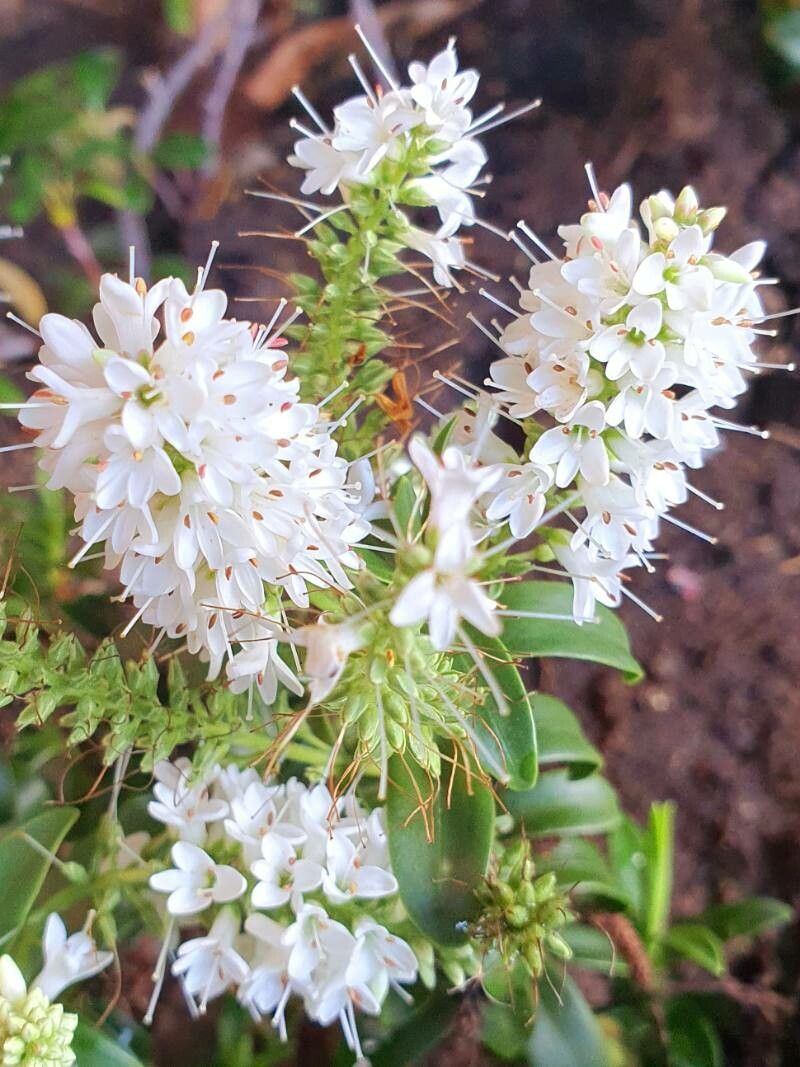
Ah, Veronica brachysiphon! If you’re a fan of those lovely spikes of blue or white flowers gracing your garden, you’re in for a treat. Propagating these beauties is a wonderfully rewarding venture, and I’m happy to share how I do it. They’re generally quite cooperative, making it a lovely project for most gardeners.
The Best Time to Start
For Veronica brachysiphon, mid-spring to early summer is typically your sweet spot. This is when the plant is actively growing, and the new, semi-hardwood stems have just the right amount of flexibility and vigor for successful rooting. You want to catch them before they get too woody.
Supplies You’ll Need
- Sharp Pruning Shears or a Clean Knife: For making clean cuts.
- Rooting Hormone (Optional but Recommended): A good powdered or liquid hormone can significantly boost your success rate.
- Well-Draining Potting Mix: I like a mix of perlite, peat moss, and a bit of compost. You can also use a seed-starting mix or a dedicated rooting medium.
- Small Pots or Seed Trays: Clean containers are a must to prevent disease.
- Plastic Bags or a Propagation Dome: To create a humid microclimate.
- Watering Can or Spray Bottle: For gentle watering.
- Patience: The most important tool of all!
Propagation Methods
I find stem cuttings to be the most reliable method for Veronica brachysiphon. Here’s how I approach it:
- Take Your Cuttings: Using your clean shears, select healthy, non-flowering stems from your established plant. Look for stems that are about 4-6 inches long. Make your cut just below a leaf node (where a leaf attaches to the stem).
- Prepare the Cuttings: Gently remove the lower leaves, leaving just a few at the top. If any leaf is too large, you can trim it in half to reduce water loss.
- Dip in Rooting Hormone: If you’re using rooting hormone, lightly dip the cut end of each stem into the powder or liquid. Tap off any excess.
- Plant Your Cuttings: Fill your clean pots or trays with your well-draining mix. Make a small hole with a pencil or your finger and gently insert the cutting, ensuring the leaf nodes are buried in the soil. Firm the soil gently around the stem.
- Water Gently: Water thoroughly but carefully. You don’t want to dislodge your cuttings. A light misting is often best to start.
- Create Humidity: Cover the pots or trays with a plastic bag or propagation dome. This will trap moisture and create a humid environment, which is crucial for cuttings to root. Ensure the leaves don’t touch the plastic bag if possible.
- Place in Bright, Indirect Light: Find a warm spot that gets plenty of bright, indirect sunlight. Avoid direct sun, which can scorch the delicate cuttings.
The “Secret Sauce” (Pro Tips)
- Don’t Be Afraid to Take a Few Extra: Not every cutting will make it, and that’s perfectly normal. Take more than you think you’ll need – it’s better to have a surplus!
- Bottom Heat is Your Friend: If you have a seedling heat mat, placing your pots on it can speed up root development significantly. It mimics the warmth of spring soil.
- Watch for the “Tug Test”: After a few weeks, you can gently tug on a cutting. If you feel resistance, that’s a good sign roots are forming!
Aftercare & Troubleshooting
Once you see new growth, it’s a definite sign that roots have developed. At this stage, you can gradually remove the humidity dome over a few days to acclimate the new plants. Continue to keep them consistently moist, but not waterlogged.
The most common issue you’ll encounter is rot. This usually happens if the soil stays too wet or if the humidity is too high without good air circulation. If you see a cutting turning black and mushy, it’s best to discard it and inspect the others. Ensure your potting mix is truly draining well.
A Encouraging Closing
Propagating Veronica brachysiphon is a wonderful way to multiply your favorite plants and share them with friends. Be patient with the process. Gardening is all about observation and learning, and each attempt brings you closer to mastery. Happy propagating!
Resource:
https://identify.plantnet.org/k-world-flora/species/Veronica%20brachysiphon%20(Summerh.)%20Bean/data