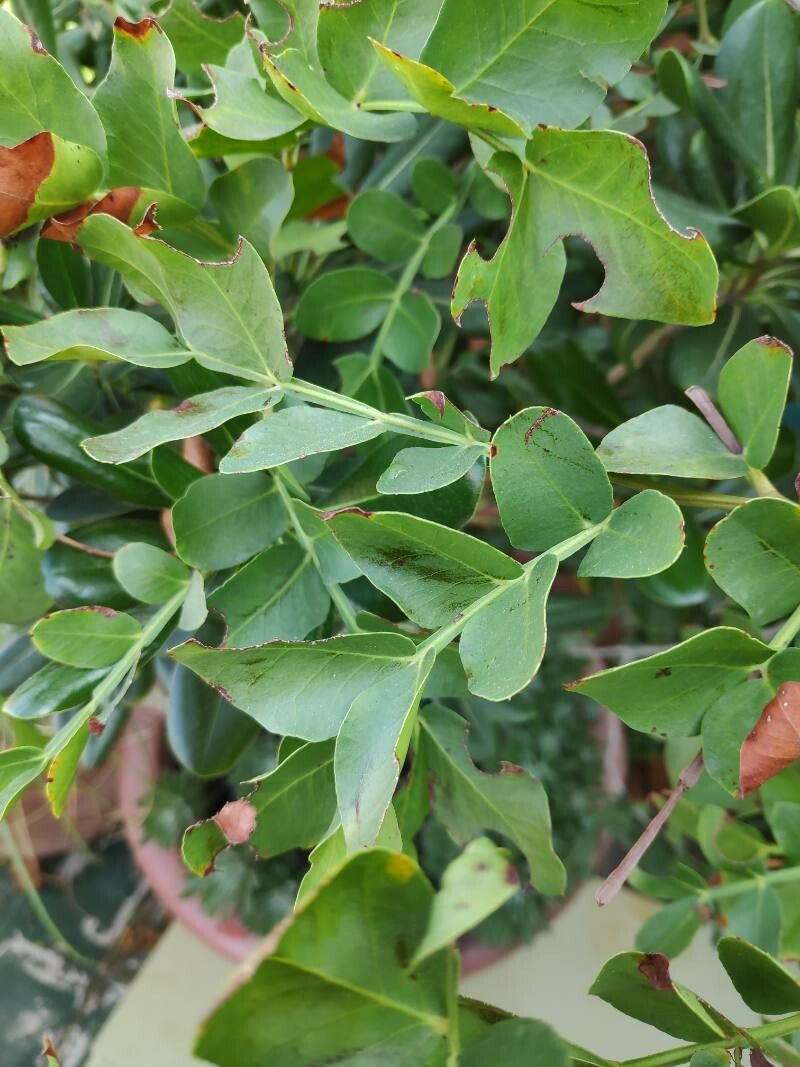
Hello, fellow plant enthusiasts! I’m so excited to dive into propagating one of my personal favorites today: Schotia capitata. If you’ve ever seen this beauty, you know what I’m talking about. It’s a stunner with those gorgeous deep red, brush-like flowers that just demand attention in the garden. I’ve been growing and propagating Schotia for years, and let me tell you, there’s nothing quite as satisfying as watching a tiny cutting transform into a thriving new plant.
Now, if you’re new to the plant propagation game, don’t shy away from Schotia capitata. It’s a wonderfully rewarding plant to work with, and with a little patience and these tips, you’ll be well on your way to success.
The Best Time to Start
Generally, the spring and early summer are your golden windows for propagating Schotia capitata. This is when the plant is actively growing, channeling all its energy into new shoots and leaves. You’ll have the best luck taking cuttings from healthy, semi-hardwood stems at this time. Avoid taking cuttings when the plant is stressed, perhaps from extreme heat or drought.
Supplies You’ll Need
Before we get our hands dirty, let’s gather our tools and materials. Having everything ready will make the process so much smoother.
- Sharp Pruning Shears or a Craft Knife: Clean cuts are crucial for preventing disease.
- Rooting Hormone (Optional but Recommended): This can give your cuttings a significant boost. Look for one suitable for semi-hardwood cuttings.
- Small Pots or Seedling Trays: Clean pots are a must to avoid any lingering soil diseases.
- Well-Draining Potting Mix: I like to use a mix of equal parts perlite and standard potting soil, or a specialized seedling mix. You want it to drain freely but still retain a bit of moisture.
- Plastic Bag or Clear Dome: To create a humid environment for your cuttings.
- Watering Can with a Fine Rose: For gentle watering.
- Labels and a Marker: To keep track of what you’ve planted and when.
Propagation Methods
Schotia capitata is most commonly and successfully propagated from stem cuttings. Here’s how I do it:
Stem Cuttings
- Select Your Cuttings: Look for healthy, current-season’s growth that is neither too soft and leafy nor too woody. You’re aiming for semi-hardwood, which usually snaps cleanly when bent. Take cuttings that are about 4-6 inches long.
- Prepare the Cutting: Using your sharp pruning shears or knife, make a clean cut just below a leaf node (where a leaf attaches to the stem). Remove the lower leaves, leaving just one or two at the very top. This helps reduce water loss and prevents leaves from rotting when we bury them.
- Apply Rooting Hormone (Optional): Dip the cut end of the stem into your rooting hormone powder or gel. Tap off any excess. This step really helps encourage those roots to form.
- Plant Your Cuttings: Fill your clean pots with your prepared potting mix. Make a small hole in the center with your finger or a pencil. Gently insert the cutting into the hole, ensuring the bottom leaf nodes are below the soil surface.
- Water Gently: Water the soil thoroughly but gently until you see water drain from the bottom of the pot.
- Create Humidity: Place the potted cuttings into a larger clear plastic bag, or cover them with a clear dome, to create a mini-greenhouse effect. Make sure the leaves don’t touch the sides of the bag or dome if possible.
- Place in Bright, Indirect Light: Find a warm spot that receives plenty of bright, but filtered, light. Direct sun will scorch your delicate cuttings.
Water Propagation (Less Common, but Possible)
While stem cuttings are my go-to, you can also try water propagation, though it’s important to be vigilant.
- Prepare the Cuttings: Same as above, take 4-6 inch cuttings from semi-hardwood, and remove the lower leaves.
- Place in Water: Place the cuttings in a clean glass or jar filled with room-temperature water. Ensure that the leaf nodes from which you removed leaves are submerged.
- Position and Monitor: Place the jar in bright, indirect light. Crucially, change the water every day or every other day. This prevents bacteria from building up, which is the main reason water propagation can fail. You’ll want to watch for roots to appear, usually within a few weeks. Once they have a good root system (at least an inch long), you’ll need to carefully transfer them to soil.
The “Secret Sauce” (Pro Tips)
Over the years, I’ve learned a few little tricks that seem to make all the difference when propagating Schotia.
- Bottom Heat is Your Friend: If you have the option, placing your potted cuttings on a gentle heat mat can significantly speed up root development. It mimics the warmth of spring soil and really encourages the roots to get going. Just make sure it’s not too hot.
- Don’t Drench, Just Dampen: When you first pot your cuttings, water them well. After that, aim to keep the soil consistently moist but not soggy. Overwatering is a sure path to rot. I often check the soil by gently poking my finger in. If it feels dry an inch down, it’s time for a light watering.
- Patience with the Potting Mix: When you think they’ve rooted (usually after 6-8 weeks), give them a gentle tug. If there’s some resistance, they’ve likely started forming roots. Don’t be tempted to pull them all out to check every day!
Aftercare & Troubleshooting
Once your cuttings have successfully rooted – you’ll know because you’ll see new growth appearing from the top and they’ll feel secure when gently tugged – it’s time to transition them to a slightly larger pot if needed. Continue to water them when the top inch of soil is dry. They’ll still need that bright, indirect light. Gradually accustom them to less humidity over a week or two before removing the plastic bag permanently.
The most common issue you might face is rot. This usually happens due to overwatering or poor drainage. If you see your cutting looking wilted, blackening at the base, or developing mushy stems, it’s often a sign of rot. Unfortunately, at that point, it’s usually too late to save. Prevention is key!
A Welcoming Farewell
Propagating Schotia capitata is such a rewarding journey. It might take a little time, and there might be a few attempts that don’t quite work out, but that’s all part of the learning process. So embrace the green, get your hands dirty, and enjoy the magic of watching life sprout from your efforts. Happy propagating!
Resource:
https://identify.plantnet.org/k-world-flora/species/Schotia%20capitata%20Bolle/data