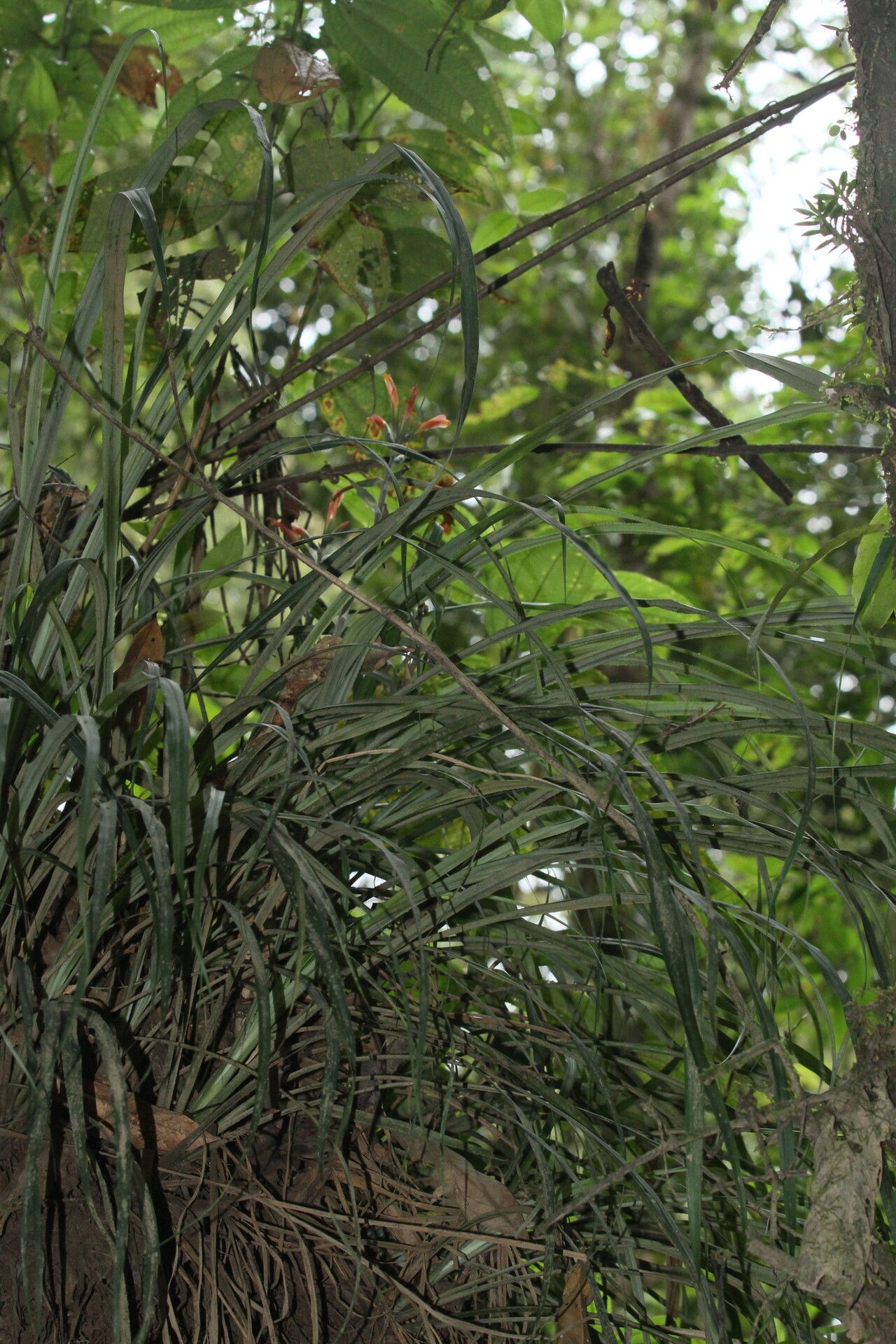
Hello, fellow plant enthusiasts! Today, we’re diving into the wonderful world of Pitcairnia caricifolia, a real gem of a bromeliad. If you love a plant that brings a touch of the exotic without being overly fussy, this one’s for you. Its striking, upright foliage and occasional flower spikes are a real statement, and the joy of creating more of these beauties from your own mother plant? Priceless! Now, is it a beginner-friendly propagation project? I’d say it falls into the “moderately easy” category. You’ll need a little patience and attention, but with my guidance, you’ll be well on your way.
The Best Time to Start
For Pitcairnia caricifolia, the spring and early summer are your golden windows. This is when the plant is actively growing and has the most energy to put into developing new roots. You’ll want to look for established plants that are showing signs of robust health – think strong, deep green leaves and no signs of stress from winter.
Supplies You’ll Need
Gathering your supplies beforehand makes the whole process smoother. Here’s what I always have on hand:
- Sharp, clean pruning shears or a sharp knife: Essential for clean cuts.
- Well-draining potting mix: A good blend might include equal parts peat moss, perlite, and coarse sand. Or, a specialized bromeliad mix works beautifully.
- Rooting hormone powder (optional but recommended): This gives your cuttings a good head start.
- Small pots or seedling trays: With good drainage holes, of course!
- Labels and a permanent marker: Trust me, you’ll thank yourself later for labeling what you propagated and when.
- A watering can with a fine spray nozzle: For gentle watering.
- Optional: A heat mat: This can speed up root development, especially if your home isn’t consistently warm.
Propagation Methods
Pitcairnia caricifolia is most often propagated through something called division or by removing offsets. Given its growth habit, you’re unlikely to be taking traditional stem cuttings like you might with other houseplants.
Division (for Established Plants)
As your Pitcairnia matures, it will naturally start to produce new baby plants, called offsets, around its base. These are your propagation gold!
- Gently remove the mother plant from its pot. You might need to loosen the soil around the edges with your fingers or a trowel.
- Inspect the base of the plant and the offsets. Look for where the offset is attached to the mother plant. You’re aiming for offsets that are at least one-third the size of the mother plant and already show a few of their own leaves.
- Carefully separate the offset. If the offset is well-established and has its own roots, you can often gently pull it away from the mother plant. If it’s more stubborn, use your clean pruning shears or knife to make a clean cut right at the point of attachment. Try to keep as many of the offset’s roots intact as possible.
- Remove any dead or damaged lower leaves from the offset. This helps prevent rot and encourages new growth.
- Pot the offset. Fill your small pot with your well-draining mix. Make a small indentation in the center and place the offset in it. Gently firm the soil around its base. Don’t bury it too deeply; the base of the leaves should be at soil level.
- Water gently. Give it a light watering, just enough to settle the soil.
Offsets (When Still Attached)
Sometimes, you might want to propagate a smaller offset, or perhaps you don’t want to disturb the whole mother plant just yet.
- Examine the base of your Pitcairnia. Look for pups (offsets) that are a decent size, usually around 2-3 inches tall with a few leaves.
- Gently tease away some of the soil at the base of the offset. You’re trying to get a clear view of where it’s connected to the mother plant.
- Using your sharp knife or shears, make a clean cut to separate the offset. Be patient and try to get as close to the mother plant’s root system as possible, while ensuring the offset has some of its own root structure.
- Treat the wound. You can dip the cut end in rooting hormone if you’re using it, or let it air dry for a day or two in a bright, indirect spot. This is a crucial step to prevent rot.
- Pot the offset as described in step 5 of the Division method.
The “Secret Sauce” (Pro Tips)
Here are a couple of things I’ve learned over the years that make a big difference:
- Don’t be afraid to let those offsets callus. After you separate an offset, especially if it doesn’t have a lot of its own roots, allowing it to sit for a day or two in a dry, airy spot before potting is a game-changer. This dries out the cut surface and helps prevent that dreaded rot that can kill a new plant before it even starts.
- Bottom heat is your friend. If you have a heating mat designed for seedlings, place your potted offsets on it. Bromeliads love warmth, and a gentle, consistent heat from below encourages root development much faster than ambient room temperature alone. Keep the heat at around 70-75°F (21-24°C).
Aftercare & Troubleshooting
Once your baby Pitcairnia is potted, keep it in a bright spot with indirect light. Avoid harsh, direct sun, which can scorch its delicate new leaves. Water sparingly at first. You want the soil to be just moist, not soggy. Overwatering is the most common pitfall and can lead to root rot, which you’ll notice as wilting, yellowing leaves, and a mushy base.
If you see signs of rot, act fast! Gently unpot the plant, trim away any rotted parts with a clean blade, and let it dry out thoroughly for a few days before repotting in fresh, dry soil. Be patient! Roots can take several weeks to develop. You’ll know your plant is happy when new leaf growth begins to emerge.
And there you have it! Propagating Pitcairnia caricifolia is a deeply satisfying experience that connects you even more with these beautiful plants. So grab your shears, get your hands in the soil, and enjoy the process. Happy propagating!
Resource: