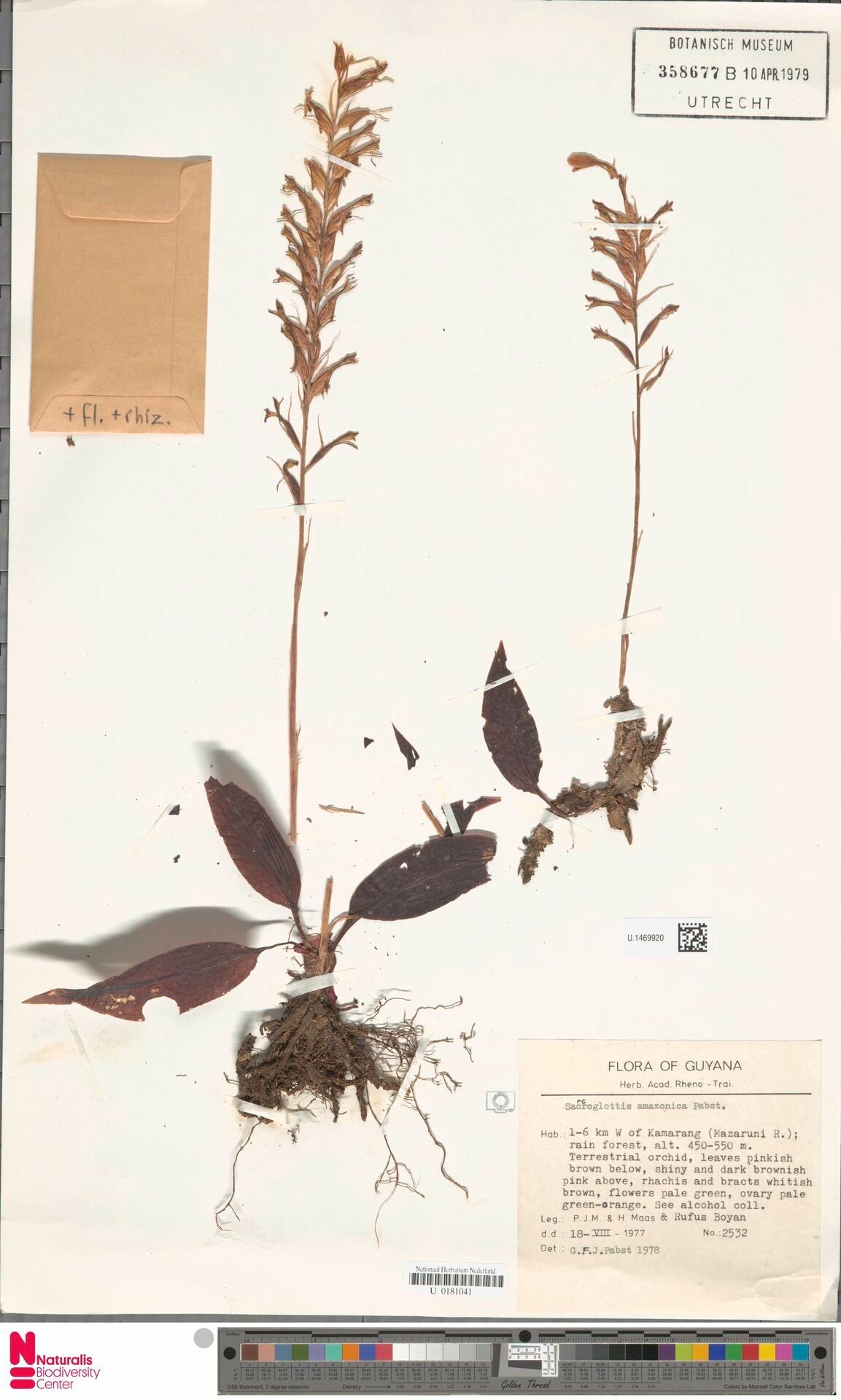
Oh, hello there! Pull up a chair and let’s chat about one of my favorite woodland beauties: Sarcoglottis amazonica. If you’ve ever seen this gorgeous orchid with its intricate, veined leaves, you know exactly why I’m so excited about it. Propagating it isn’t just about getting more plants; it’s about sharing a piece of that quiet, earthy magic with your friends and family. Now, I won’t sugarcoat it – Sarcoglottis amazonica can be a little fussy, so while beginners can certainly try, success might require a touch more patience. But trust me, that first little root is a victory worth celebrating!
The Best Time to Start
For the highest success rates, I always find that spring or early summer is the sweet spot. This is when the plant is actively growing after its rest period. You’ll be able to see new shoots emerging, which are perfect candidates for propagation. Trying to propagate when the plant is dormant, or already stressed from extreme heat or cold, is just asking for trouble.
Supplies You’ll Need
Here’s what I like to have on hand before I get started:
- Sharp, clean pruning shears or a razor blade: Sterilize them, please!
- Rooting hormone (optional but recommended): A powder or gel form works well.
- A good quality, well-draining potting mix: I usually use a blend of orchid bark, perlite, and a little sphagnum moss. Think airy and fast-draining!
- Small pots or trays: Clean ones, of course.
- Clear plastic bags or domes: For creating a humid environment.
- Water: Preferably filtered or rainwater.
- Patience: You’ll need a good supply of this!
Propagation Methods
Sarcoglottis amazonica is most commonly propagated by division. It’s the most reliable method for this particular orchid.
Division Method
- Gently remove the parent plant from its pot. When it’s time for repotting, this is your prime opportunity. Be extremely careful not to damage the roots.
- Inspect the root ball. Look for natural divisions where new pseudobulbs or growths are forming. You want to see at least one healthy pseudobulb and a good chunk of roots attached to each division.
- Carefully separate the divisions. You can use your fingers to gently tease them apart. If they are stubborn, use your sterilized pruning shears or a razor blade to make a clean cut. Make sure each piece has healthy roots and at least one pseudobulb or growth.
- Optionally, dust the cut surfaces with rooting hormone or a fungicide. This helps to prevent rot and encourage root development. Let any cut surfaces callous over for a few hours if possible before potting.
- Pot each division into its own small pot. Use your well-draining potting mix. Don’t bury the pseudobulb too deeply; it should be at or just barely covered by the mix.
- Water lightly. You don’t want to waterlog the new divisions. Just enough to settle the mix.
- Create a humid environment. Place the potted divisions into a clear plastic bag or cover them with a plastic dome. This helps retain moisture. Open the bag or dome for a few minutes each day to allow for air circulation.
The “Secret Sauce” (Pro Tips)
Here are a few things I’ve learned over the years that make a real difference:
- Don’t drown your divisions! Overwatering is the quickest way to kill a new division. Let the potting mix dry out slightly between waterings, especially in the initial stages.
- Aim for consistent, gentle warmth. If you can provide a little bottom heat (like a heat mat set to around 70-75°F or 21-24°C), it can significantly speed up root formation. Just make sure it’s not too hot!
- Watch for new growth, not just roots. While roots are our ultimate goal, the first sign of success is often a new leaf or pseudobulb emerging from the division. If you see that, you’re well on your way.
Aftercare & Troubleshooting
Once your divisions start showing signs of new growth, you can gradually introduce them to more normal conditions. Gradually reduce the humidity by opening the bag or dome more often, and eventually remove it. Continue to water when the potting mix is starting to dry.
The most common problem you’ll face is rot. This usually happens if the potting mix stays too wet and there isn’t enough air circulation. If you see a division turning mushy or black, it’s likely failed. Don’t be discouraged; just remove it carefully to prevent it from affecting others, and learn from what happened. Sometimes, a division just won’t take, and that’s okay too!
A Little Encouragement
Propagating plants, especially those that require a bit of extra care like Sarcoglottis amazonica, is a journey. Celebrate each little success, and don’t get too downhearted by the occasional setback. The reward of nurturing a new life and having more of these beauties to enjoy is absolutely worth it. So, get your hands dirty, experiment a little, and most importantly, enjoy the process! Happy growing!
Resource:
https://identify.plantnet.org/k-world-flora/species/Sarcoglottis%20amazonica%20Pabst/data