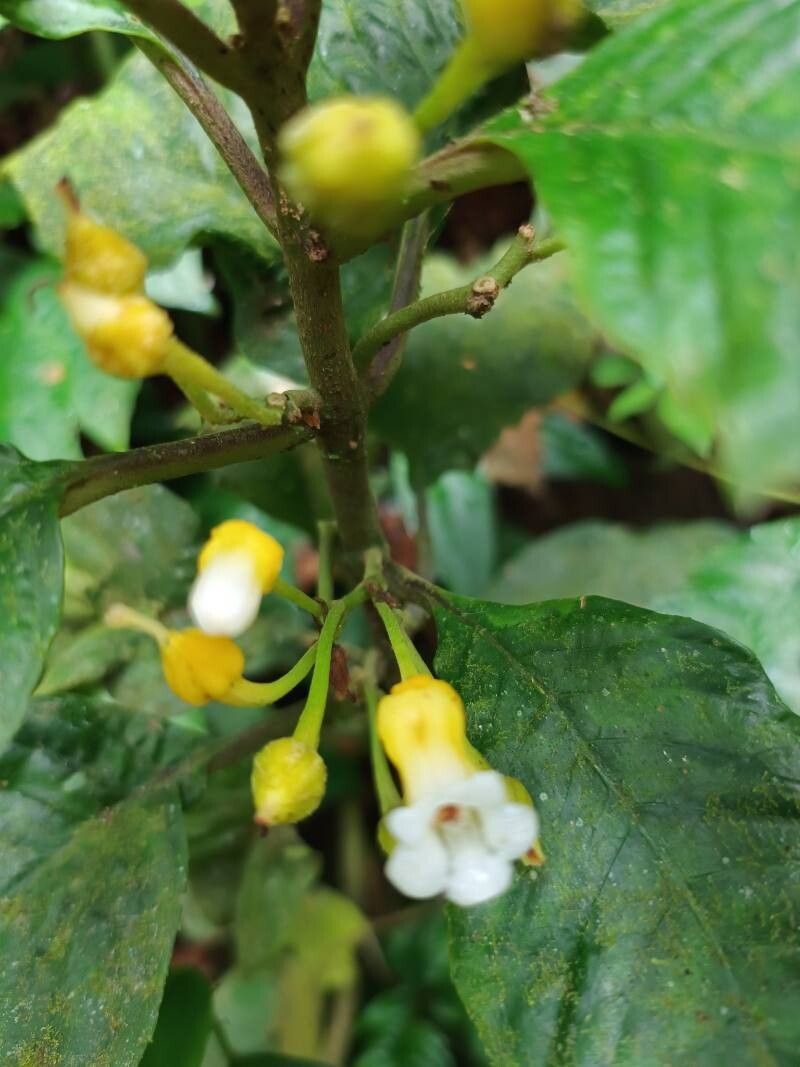
Ah, Besleria selloana! If you’re looking for a plant that brings a touch of the tropics into your home with its vibrant foliage and sometimes surprisingly delicate blooms, you’ve found a winner. I’ve been coaxing these beauties to multiply for years, and let me tell you, there’s a special kind of satisfaction in watching a tiny cutting transform into a thriving new plant. It might sound a bit daunting, but don’t worry, I’ll walk you through it.
The Best Time to Start
My favorite time to get busy with propagation is in late spring or early summer. This is when the plant is actively growing, drawing up all sorts of good energy. New growth tends to root more readily, so look for stems that are firm but not overly woody. Think of it as the plant’s prime productive period – it’s got the vigor to put its energy into making roots!
Supplies You’ll Need
Here’s what I always have on hand when I’m propagating:
- Sharp pruning shears or a clean knife: A clean cut is crucial to prevent disease.
- Well-draining potting mix: I like a blend of peat moss, perlite, and a bit of orchid bark. It keeps things airy.
- Small pots or seed trays with drainage holes: Enough to start a few cuttings!
- Rooting hormone (optional but recommended): This really gives your cuttings a boost.
- Clear plastic bags or a propagation dome: To create that humid environment cuttings love.
- Watering can with a fine rose: For gentle watering.
- Labeling stakes: Because trust me, you will forget what you planted where!
Propagation Methods
While you might find information on other methods, I’ve found the most success with stem cuttings for Besleria selloana. It’s straightforward and yields great results.
Stem Cuttings
- Select your cuttings: Look for healthy, non-flowering stems. You want pieces that are about 4-6 inches long. Make your cut just below a leaf node (where a leaf attaches to the stem). This is where the magic happens for root formation.
- Prepare the cuttings: Gently remove the lower leaves from the cutting. You want a clean stem to insert into the soil. If you’re using rooting hormone, dip the cut end of the stem into it, tapping off any excess.
- Plant the cuttings: Fill your small pots with the well-draining potting mix. Make a small hole in the center of the soil with your finger or a pencil. Carefully insert the cut end of the stem into the hole, ensuring it’s deep enough to stand upright. Gently firm the soil around the stem.
- Create humidity: Water the soil lightly. Then, cover the pot with a clear plastic bag, making sure the bag doesn’t touch the leaves too much, or place it under a propagation dome. This traps humidity, which is vital for new cuttings.
- Find a good spot: Place your pots in a bright location with indirect light. Avoid direct sun, which can scorch the young cuttings.
The “Secret Sauce” (Pro Tips)
- Don’t let the leaves touch the soil: If new leaves sprout and are sitting directly on the potting mix, they are much more prone to rot. Once you see new growth, if the leaves are touching, trim them slightly or gently prop them up.
- Bottom heat is a game-changer: If you have a heat mat designed for propagation, placing your pots on it can significantly speed up root development. It mimics the warmth of spring soil.
- Patience is your best tool: I know it’s tempting to dig around to see if roots have formed, but resist! It disturbs the delicate developing roots. Trust the process and give it time.
Aftercare & Troubleshooting
Once you see signs of new growth – tiny new leaves emerging from the top or even at the leaf nodes – that’s a good indication that roots are forming! At this point, you can slowly acclimate your new plant to normal humidity by gradually opening the plastic bag or vent on your dome over a week or so. Continue to keep the soil consistently moist but not soggy.
The most common issue you’ll encounter is rot. If your cutting starts to look mushy, discolored, or just wilts dramatically without any sign of drying out, it’s likely rot. This is usually caused by too much moisture and not enough air circulation. Unfortunately, if rot sets in, it’s hard to save. This is why that well-draining soil and the right watering technique are so important!
A Encouraging Closing
Propagating your Besleria selloana is a journey, and like any good journey, it’s about the steps you take and the lessons you learn. Don’t be discouraged if your first attempt isn’t a runaway success. Each cutting is a chance to refine your technique. Enjoy the process, the anticipation, and the sheer delight of watching life multiply under your care. Happy gardening!
Resource:
https://identify.plantnet.org/k-world-flora/species/Besleria%20selloana%20Klotzsch%20&%20Hanst./data