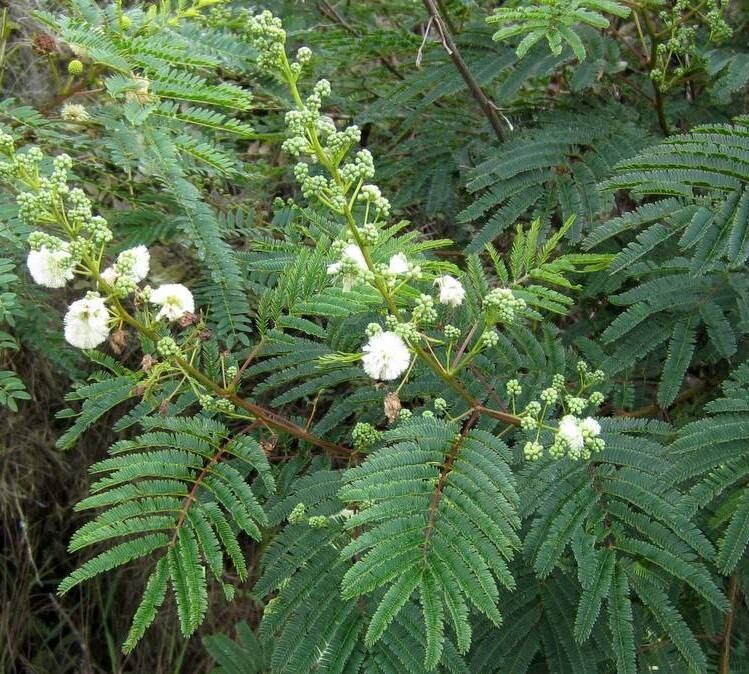
Hello there, fellow green thumbs! It’s so lovely to sit down with you today and chat about one of my favorite plants: Acaciella angustissima. You know, the one with those delicate, feathery leaves that just scream elegance and a touch of the wild? I’ve been growing and working with these beauties for two decades now, and there’s something incredibly satisfying about bringing a new one to life from even a tiny piece of the parent plant.
If you’ve ever admired the graceful sway of its foliage or its charming blooms, you’ll feel a real sense of accomplishment by propagating it yourself. And breathe easy – while it might seem a bit exotic, propagating Acaciella angustissima is absolutely doable, even for those just starting their plant journey. It’s a wonderful way to expand your collection or share these lovelies with friends.
The Best Time to Start
For the highest success rates, I always recommend starting your propagation efforts in the late spring or early summer. This is when the plant is actively growing and has plenty of energy to put into producing new roots. Look for stems that are semi-hardened – not brand new and floppy, but not old and woody either. They should feel firm but still have a bit of flexibility.
Supplies You’ll Need
Gathering your tools beforehand makes the whole process smoother. Here’s what I usually have on hand:
- Sharp pruning shears or a clean knife: For making clean cuts.
- Rooting hormone powder or gel (optional but helpful): Encourages root development.
- Perlite and peat moss (or a good quality seed-starting mix): For a light, airy, and well-draining propagation medium.
- Small pots or seed trays: With drainage holes, of course!
- Watering can or spray bottle: For gentle watering.
- Plastic bags or a clear propagation dome: To create a humid environment.
- Patience! This is the most important tool, trust me.
Propagation Methods
We’ll focus on stem cuttings, as this is generally the most straightforward and successful method for Acaciella angustissima.
Stem Cuttings:
- Select Your Stems: Choose healthy, one-year-old stems that are not flowering. Aim for cuttings that are about 4-6 inches long.
- Make the Cut: Using your sharp shears or knife, make a clean cut just below a leaf node (where a leaf joins the stem). This is where root development is most likely to occur.
- Prepare the Cutting: Gently remove the leaves from the lower half of the cutting. If your cutting has any flower buds, pinch them off. You want all the plant’s energy to go into making roots, not flowers or new leaves at this stage.
- Apply Rooting Hormone (Optional): If you’re using rooting hormone, dip the cut end of the stem into the powder or gel. Tap off any excess.
- Plant Your Cuttings: Fill your small pots or trays with your perlite and peat moss mix. Make a small hole in the center with your finger or a pencil. Insert the prepared cutting into the hole, gently firming the mix around the stem to ensure good contact. Make sure at least one leaf node is buried beneath the surface.
- Water Gently: Water the soil thoroughly but gently. You don’t want to dislodge your cuttings. A misting with a spray bottle can be a good first watering.
- Create Humidity: Cover the pots with a plastic bag, holding it up with stakes so it doesn’t touch the leaves, or place them under a clear propagation dome. This creates a mini greenhouse effect, keeping the humidity high.
- Placement: Place your pots in a bright location out of direct, hot sunlight. A warm spot is ideal.
The “Secret Sauce” (Pro Tips)
Now for a couple of things I’ve learned over the years that really make a difference:
- Bottom Heat is Your Friend: If you have access to a propagation mat or can place your pots on top of a gently warmed appliance (like a computer tower), it can significantly speed up root formation. Warmth from below encourages those roots to stretch out and find purchase.
- Don’t Drown Your Dreams: While humidity is crucial, overwatering is the nemesis of cuttings. The mix should be consistently moist, like a wrung-out sponge, not soggy. If water is pooling at the bottom of the pot, you have too much. Good drainage is paramount.
- Air Circulation Matters Too: While we want to trap humidity, it’s a good idea to remove the plastic cover for about an hour each day to allow for some air exchange. This helps prevent fungal issues.
Aftercare & Troubleshooting
Once your cuttings have been in their humid environment for a few weeks, you’ll start to see signs of life.
Rooting: The first real indicator is new leaf growth at the top of the cutting. You can also gently tug on the cutting; if you feel resistance, it means roots have formed. It typically takes 4-8 weeks, sometimes longer depending on conditions. Once you see a good amount of roots, you can slowly start to acclimate them to normal humidity by gradually increasing the time they are uncovered.
Troubleshooting:
- Wilting/Drooping: This is often a sign of insufficient humidity or the cutting hasn’t rooted yet. Make sure the humidity is high and the soil is moist. If it’s extreme and the stem is blackening, it might be too late.
- Rot: This is usually due to overwatering and poor air circulation. The stem will look mushy and may smell unpleasant. If you catch it early, you can try cutting away the rotted part and repotting into fresh, drier medium. However, often it’s a sign the cutting won’t make it.
- No Growth After Many Weeks: Sometimes, cuttings just take their sweet time. If the stem still looks firm and green, don’t give up just yet. Ensure it’s in a warm, bright spot and has consistent moisture.
A Little Encouragement
Propagating plants is a journey of observation and patience. There will be times when a cutting doesn’t take, and that’s okay. Every gardener experiences it! The joy comes from nurturing, learning, and eventually, holding that brand new, self-propagated Acaciella angustissima in your hands. So, dive in, enjoy the process, and marvel at the magic of new life. Happy growing!
Resource: