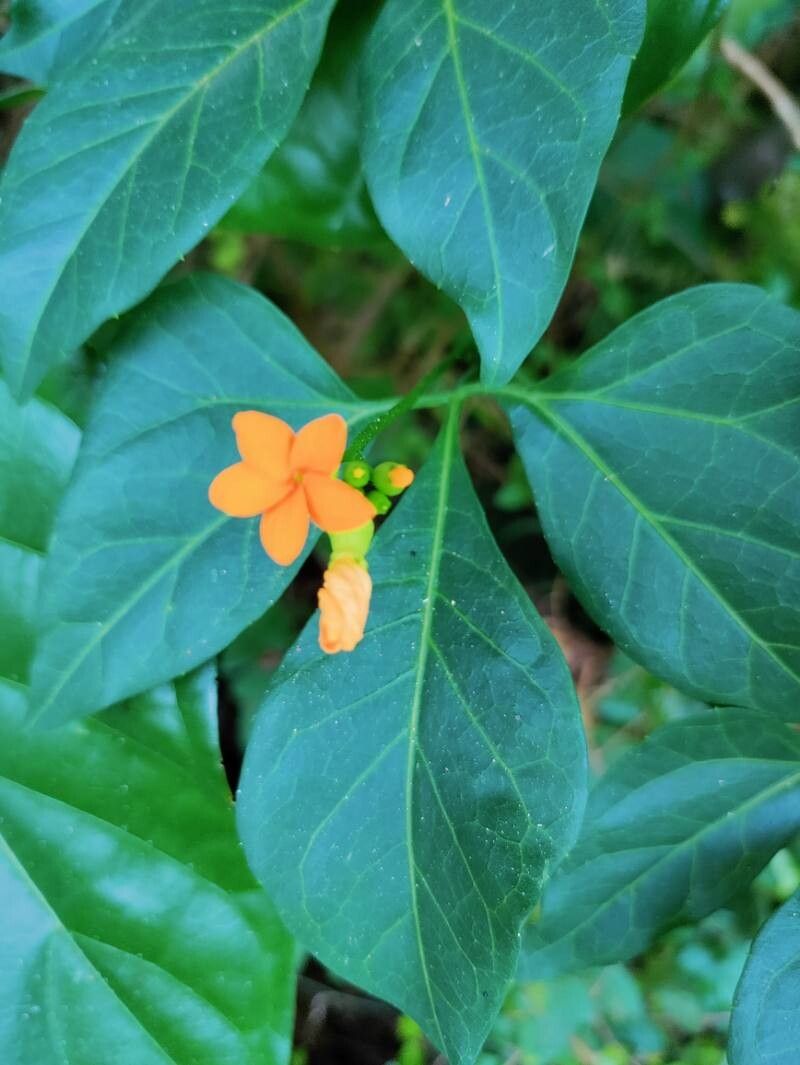
Oh, hello there, fellow plant enthusiast! Grab a mug of your favorite brew, because today we’re diving into the wonderful world of propagating Psiguria triphylla. If you’ve ever admired this climber’s gorgeous, glossy, trifoliate leaves and the way it so gracefully drapes and twines, you’re not alone. Adding one of these beauties to your collection is pure joy, and propagating it? Well, that’s a whole other level of rewarding. You get to create more of that joy, sharing it with friends or simply expanding your own jungle. Now, if you’re a beginner, I’d say Psiguria triphylla is a moderately forgiving plant. It’s not as hands-off as some succulents, but it’s certainly not one to make you pull your hair out either. With a little attention and these tips, you’ll be well on your way!
The Best Time to Start
My favorite time to embark on propagation adventures with Psiguria triphylla is during its active growing season, typically spring and early summer. This is when the plant is full of vigor, pumping out new growth, and has the most energy to dedicate to developing roots. You want to take cuttings from healthy, vigorous stems that are neither too old and woody nor too soft and brand new. Think “juicy but firm” – that’s the sweet spot!
Supplies You’ll Need
Here’s what I like to have on hand before I get started:
- Sharp, clean pruning shears or a sharp knife: Sterilize them with rubbing alcohol after each use to prevent disease spread.
- Pots: Small ones are best for cuttings, perhaps 4-inch diameter. Make sure they have drainage holes!
- Well-draining potting mix: A good blend is 50% perlite and 50% peat moss or coco coir. You can also use a commercial seedling or succulent mix. Some folks add a bit of orchid bark for extra aeration.
- Rooting hormone (optional but recommended): A powder or gel will help speed up root development.
- Watering can with a fine rose or a spray bottle: For gentle watering.
- Clear plastic bag or a propagation dome: To create a humid environment.
- Coarse sand or perlite (for water propagation): To help stabilize cuttings.
Propagation Methods
For Psiguria triphylla, my go-to method is stem cuttings. It’s reliable and gives you a great chance of success.
Stem Cuttings:
- Select your cutting: Look for a healthy stem on your mature plant. You want a section that has at least two to three sets of leaves and is about 4-6 inches long. Look for a stem that has started to mature a little – it should feel firm.
- Make the cut: Using your sterilized shears or knife, make a clean cut just below a leaf node (where a leaf attaches to the stem). This node is where the magic happens, where roots are most likely to form. Gently remove the lower leaves, leaving just the top two or three to help with photosynthesis and reduce moisture loss.
- Apply rooting hormone: If you’re using rooting hormone, dip the cut end of the stem into it, tapping off any excess.
- Plant your cutting: Fill your small pot with your prepared potting mix. Make a small hole in the center with your finger or a pencil. Insert the cut end of the stem into the soil, ensuring the lowest leaf node is covered by the mix. Gently firm the soil around the stem.
- Water gently: Water the soil thoroughly but carefully, so you don’t dislodge the cutting. You want the soil to be moist, but not waterlogged.
- Create humidity: Place the pot inside a clear plastic bag or cover it with a propagation dome. Ensure the leaves aren’t touching the plastic, as this can lead to rot. You can prop up the bag with a few stakes or skewers if needed.
- Find the right spot: Place the pot in a location that receives bright, indirect light. Avoid direct sunlight, which can scorch the delicate new cutting. A warm spot is also beneficial; consider a heat mat if your home tends to be on the cooler side.
The “Secret Sauce” (Pro Tips)
Here are a couple of things I’ve learned over the years that really make a difference:
- Don’t waterlog: This is crucial! Psiguria triphylla doesn’t like “wet feet.” When watering your cuttings, err on the side of slightly too dry rather than too wet. Allow the top inch of soil to dry out a bit between waterings. This prevents rot, which is the number one killer of new cuttings.
- Bottom heat is your friend: If you can provide a gentle source of bottom heat (like a seedling heat mat set to around 70-75°F or 21-24°C), it will significantly encourage root development. Roots simply love warmth, and it speeds up the whole process considerably.
Aftercare & Troubleshooting
Once your cutting is planted, it’s time for a little patient observation. You’ll want to mist the leaves occasionally to keep them hydrated, especially if you don’t have a dome or bag.
The tell-tale sign that your cutting is rooting is new growth. Look for tiny new leaves or vines emerging from the stem. This can take anywhere from a few weeks to a couple of months. To gently check for roots, you can give the cutting a very light tug. If you feel resistance, they’re likely forming!
Common issues:
- Wilting or yellowing leaves: This can be a sign of shock, too much or too little water, or insufficient light. Adjust your watering and light exposure.
- Rot at the base: This is usually a sign of overwatering and poor drainage. If you see this, it’s often a lost cause, but you can try to cut off the rotted part and re-root the healthy section if there’s any salvageable. Make sure your soil drains well and you’re not letting it sit in water.
A Encouraging Closing
Watching a new plant emerge from a simple cutting is such a thrill. Be patient with your Psiguria triphylla cuttings; they have their own timeline. Don’t get discouraged if it takes a while – that’s just part of the gardening journey! The beauty of propagation is the process itself, and the joy of nurturing a new life from a small piece of what you already love. Happy propagating!
Resource:
https://identify.plantnet.org/k-world-flora/species/Psiguria%20triphylla%20(Miq.)%20C.Jeffrey/data