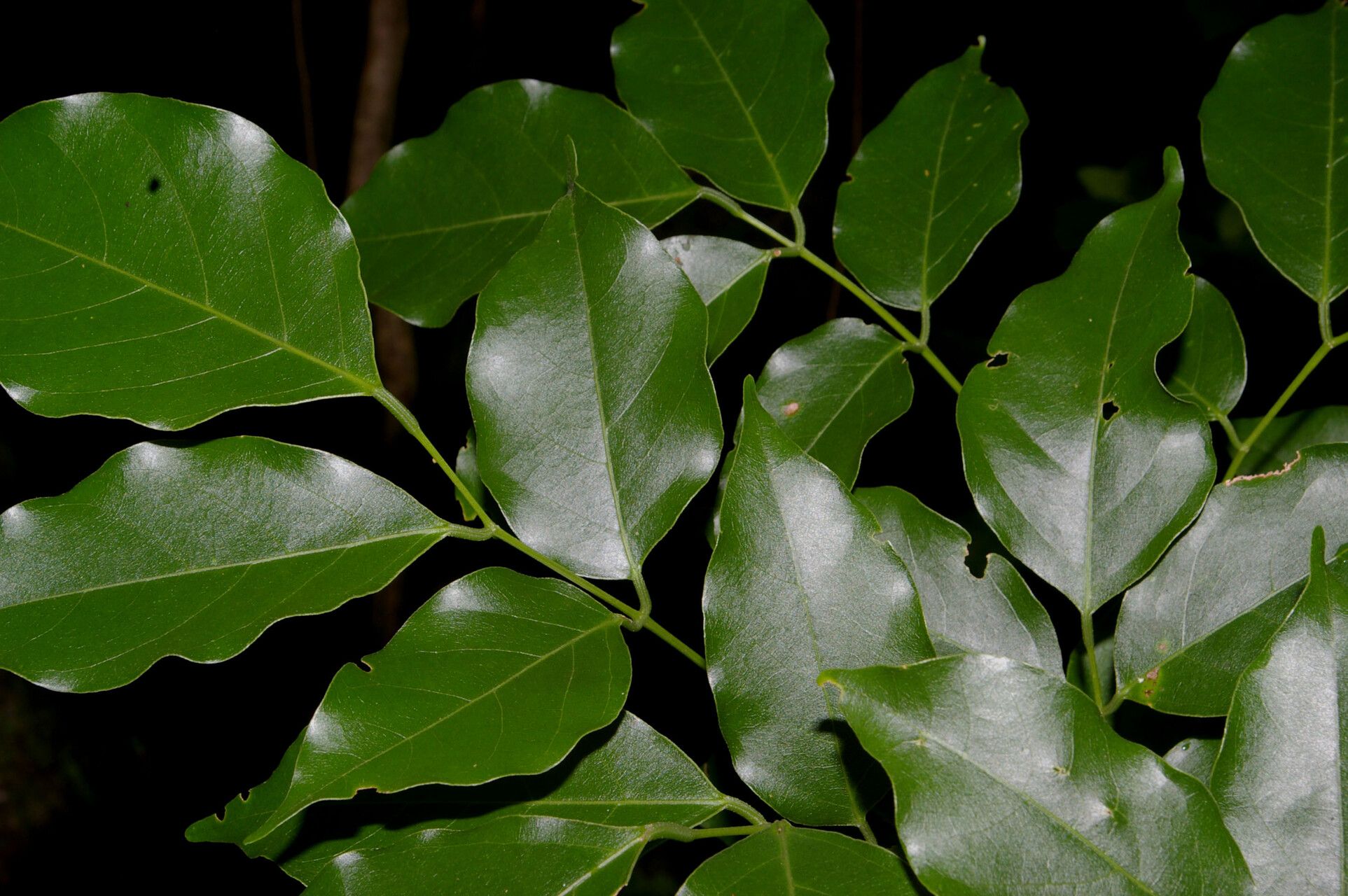
Hello, fellow plant lovers! It’s so good to have you here. Today, we’re diving into the world of Lonchocarpus atropurpureus, often called the Devil’s Tree or sometimes the Purple Robe Tree. This beauty boasts gorgeous clusters of purple-blue pea-like flowers, and let me tell you, seeing it in full bloom is a sight that will make your heart sing. What’s even more rewarding? Growing your own from scratch! Now, if you’re wondering if this is a beginner-friendly propagation, I’ll be honest – it’s not the absolute easiest, but with a little patience and these steps, you’ll be well on your way to success. Think of it as a delightful challenge!
The Best Time to Start
For Lonchocarpus atropurpureus, the sweet spot for propagation is definitely late spring to early summer. Think of it as the plant’s prime growing season. You want to snag cuttings when the plant is actively producing new growth, but not when it’s in the full throes of flowering. This new, tender growth has more hormones to encourage rooting. Waiting until after the main bloom is also a good idea, as the plant can then focus its energy on sending out roots rather than setting and developing seeds.
Supplies You’ll Need
Here’s what you’ll want to have gathered before you begin:
- Sharp, sterile pruning shears or a clean knife: Cleanliness is key to preventing disease. Sterilize with rubbing alcohol or bleach solution.
- Rooting hormone (optional but recommended for Lonchocarpus): Look for one with a medium to high concentration of auxins.
- Well-draining potting mix: A 50/50 blend of perlite and peat moss or coir works wonderfully. You can also buy a seed-starting mix.
- Small pots or propagation trays: Ensure they have drainage holes.
- Plastic bags or a clear plastic dome: To create a humid environment.
- Watering can with a fine rose or spray bottle: For gentle watering.
- Small stakes or skewers (optional): To support cuttings if they are flimsy.
Propagation Methods
I find that stem cuttings are the most reliable way to go for Lonchocarpus. Let’s break it down:
- Taking the Cuttings: Select a healthy stem that has new growth. Look for stems that are semi-hardwood – they’ll be flexible but not floppy. Take cuttings that are about 4-6 inches long. Make your cut just below a leaf node (where a leaf attaches to the stem). Remove the lower leaves, leaving only the top few to help the plant conserve energy.
- Preparing the Cuttings: If you’re using rooting hormone, dip the cut end of each cutting into the powder, tapping off any excess. This gives your cutting a little boost to get things started.
- Planting the Cuttings: Fill your pots or trays with your prepared potting mix. Moisten the mix thoroughly until it’s evenly damp but not waterlogged. Make a small hole in the center of the soil with a pencil or skewer.
- Inserting the Cuttings: Gently insert the prepared cutting into the hole, ensuring the leaf nodes you removed are buried. Firm the soil gently around the base of the cutting to ensure good contact. You can plant several cuttings in one pot, but give them a little space (about 2 inches apart).
- Creating a Humid Environment: Water the soil lightly again. Then, cover the pot with a clear plastic bag, securing it with a rubber band around the rim, or place a clear plastic dome over the tray. This is crucial for keeping the humidity high, which helps prevent the cuttings from drying out before they can develop roots.
- Placement: Place your propagation setup in a bright location, but out of direct sunlight. A windowsill that receives indirect light is perfect.
The “Secret Sauce” (Pro Tips)
Here are a few things I’ve learned over the years that can really make a difference:
- Bottom Heat is Your Friend: Lonchocarpus cuttings really appreciate a little warmth from below. If you have a seedling heat mat, placing your pots on it will significantly speed up root development. It mimics the warmth of spring soil and encourages those roots to stretch out.
- Air Circulation Matters Too: While the humidity is important, you don’t want stagnant air, as this can lead to fungal issues. Open the plastic bag or dome for about 15-30 minutes each day to allow for fresh air exchange. This helps prevent mold and mildew.
- Don’t Disturb Them! This is a tough one, I know. Resist the urge to constantly tug on your cuttings to see if they have roots. Wait at least 4-6 weeks before gently trying to see if there’s resistance when you tug. The best indicator, however, is new leaf growth, which shows the plant is actively growing and has likely established roots.
Aftercare & Troubleshooting
Once you see new growth on your cuttings, it’s a great sign! It means they’ve hopefully started to root. Gradually decrease the humidity over a week or two by opening the plastic bag or dome more each day. Continue to keep the soil consistently moist but not soggy. When the new plant is about 4-6 inches tall and has a good root system (you can carefully check by easing it out of the pot if you suspect it’s well-rooted), you can transplant it into its own pot with a good quality potting mix.
Now, what if things go wrong? The most common culprits are rot and dehydration. If your cutting turns black and mushy, that’s rot, usually caused by too much moisture and poor air circulation. If the cutting wilts and dries out, it’s dehydration, meaning the humidity wasn’t high enough or it was placed in too hot a spot. Don’t get discouraged if you lose a few – it happens to all of us! Just keep trying and pay attention to what your plant is telling you.
A Encouraging Closing
Propagating Lonchocarpus atropurpureus is a journey, and like any good journey, it’s about the process as much as the destination. Be patient with yourself and your plant babies. Enjoy the subtle changes, the anticipation, and the sheer joy of creating new life from a simple cutting. Happy gardening, and I can’t wait to hear about your successes!
Resource:
https://identify.plantnet.org/k-world-flora/species/Lonchocarpus%20atropurpureus%20Benth./data