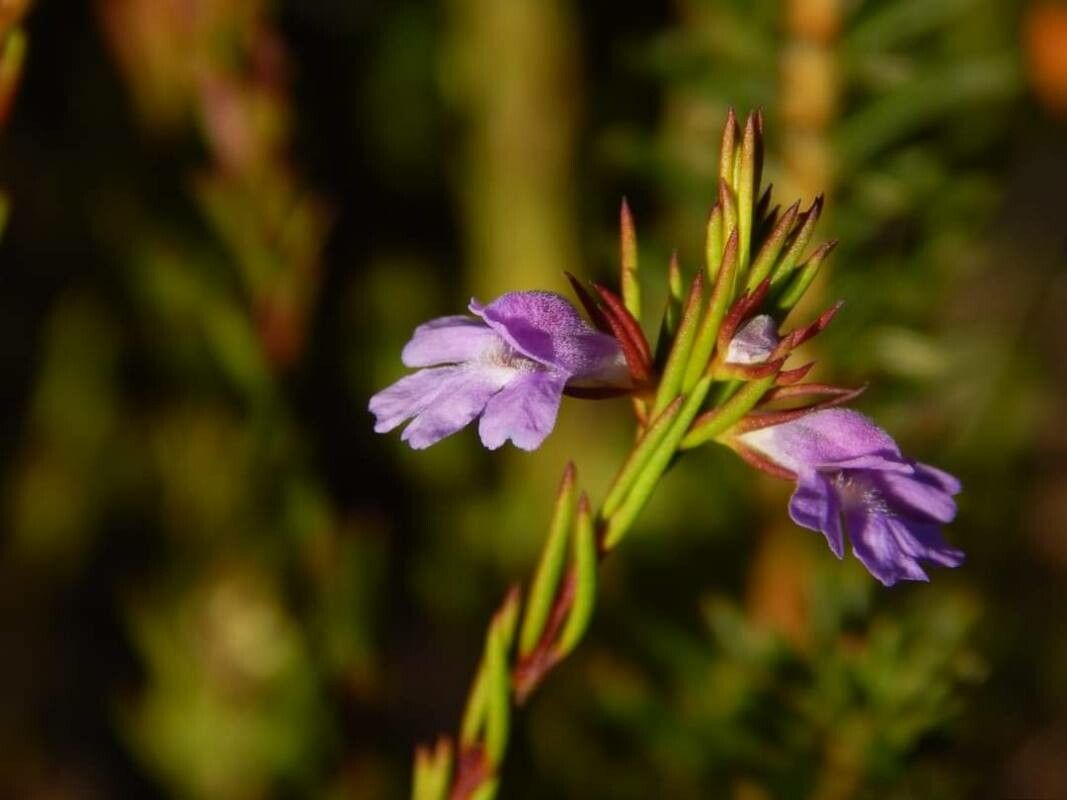
Oh, hello there! Come on in, let’s chat about one of my absolute favorite plants: Prostanthera scutellarioides, or as I affectionately call her, one of the “Mint Bushes.” You know, the ones with those delicate, often vibrantly colored flowers that just seem to dance on the breeze? They bring such a lovely fragrance and a touch of wild charm to any garden. Propagating them has been one of my most rewarding gardening adventures, and I’m so excited to share how you can do it too.
Now, I won’t lie, Prostanthera scutellarioides can be a tiny bit more particular than, say, a pothos. But don’t let that deter you! With a little patience and following these steps, I truly believe you’ll be successful. It’s all about understanding their needs, and trust me, it’s a journey well worth taking.
The Best Time to Start
For my Mint Bushes, the absolute sweet spot for propagation is late spring or early summer. This is when the plant is in its active growth phase, making those young, semi-hardwood stems readily available and brimming with the energy needed to root. Think of it like this: the plant is feeling its best, and that translates to the best chance for your cuttings to thrive.
Supplies You’ll Need
Gathering your tools beforehand makes all the difference. Here’s what I always have on hand:
- Clean, sharp pruning shears or a craft knife: Essential for making clean cuts that heal well.
- Rooting hormone powder or gel: This is like a little boost for your cuttings. I find the powder works beautifully for these.
- A well-draining potting mix: This is crucial! I swear by a mix of equal parts perlite and coco coir. You can also add a good amount of coarse sand if you have it. The key is aeration.
- Small pots or seed trays: Clean pots are a must to prevent disease.
- A clear plastic bag or a propagator lid: To create a humid environment, which these guys adore.
- A spray bottle: For misting.
- Labels or plant markers: You’ll want to know what you planted and when!
Propagation Methods: Stem Cuttings
This is by far my favorite and most successful method for Prostanthera scutellarioides.
- Take Your Cuttings: When you’re ready, head out to your plant with your sharp shears. Look for young, healthy stems that are about 4-6 inches long. They should be firm but not woody – this is the “semi-hardwood” stage. Make a clean cut just below a leaf node (where a leaf attaches to the stem).
- Prepare the Cuttings: Gently remove the lower leaves from your cuttings, leaving just a few at the very top. This prevents them from rotting in the soil. You can also dip the cut end into water briefly, and then into your rooting hormone powder, tapping off any excess.
- Plant the Cuttings: Fill your clean pots with your prepared, moist potting mix. Make a small hole in the center with your finger or a pencil. Carefully insert the prepared cutting into the hole, ensuring the leaf nodes where you removed leaves are below the soil line. Gently firm the soil around the base.
- Create Humidity: Water the soil lightly. Now, cover the pot with a clear plastic bag or a propagator lid. This traps moisture and humidity, which is absolutely vital for cuttings. If using a bag, you might need to prop it up with a few skewers so it doesn’t collapse onto the leaves.
- Find the Right Spot: Place your pots in a bright location that receives indirect sunlight. Avoid direct sun, as it can scorch the delicate cuttings.
The “Secret Sauce” (Pro Tips)
Over the years, I’ve picked up a few tricks that always seem to make a difference.
First, never let the leaves touch the water if you’re attempting water propagation (though I lean away from this for this specific plant) or if your humidity dome is too low. This is a fast track to rot. Ensure good airflow, even within your humid environment. A little bit of ventilation by opening the propagator for an hour a day can work wonders.
Second, bottom heat is your friend! If you have a propagation mat, place your pots on it. The gentle warmth encourages root development and significantly speeds up the process. It’s like giving your tiny cuttings a warm hug from below.
And finally, don’t be afraid to trim off any flowers or flower buds that appear on your cuttings early on. All the plant’s energy should go into forming roots, not flowers, at this stage. You can let them bloom later when they’re established.
Aftercare & Troubleshooting
Once you see that beautiful sign of new growth peeking out, it’s a good indication that roots are forming! You can gently tug on a cutting – if there’s resistance, you’ve got roots! Begin to gradually acclimate your new plants to normal humidity levels by opening the propagator lid for longer periods over a week or two. Keep the soil consistently moist but not waterlogged.
Now, what if things aren’t going as planned? Yellowing leaves or wilting can be a sign of overwatering or poor drainage. Make sure your mix is airy. Rotting at the base is often due to too much moisture and not enough airflow. If you see this, it’s unfortunately best to discard the cutting and start fresh with cleaner tools and better ventilation. Don’t get discouraged!
A Little Encouragement
Propagating plants is a dance with nature, a beautiful act of creation. There will be times when cuttings don’t take, and that’s perfectly okay. It’s a learning process, and each attempt teaches you more. Be patient, enjoy the small victories, and celebrate the green little shoots that emerge. Soon, you’ll have a whole garden of your very own Mint Bushes to enjoy! Happy propagating!
Resource: