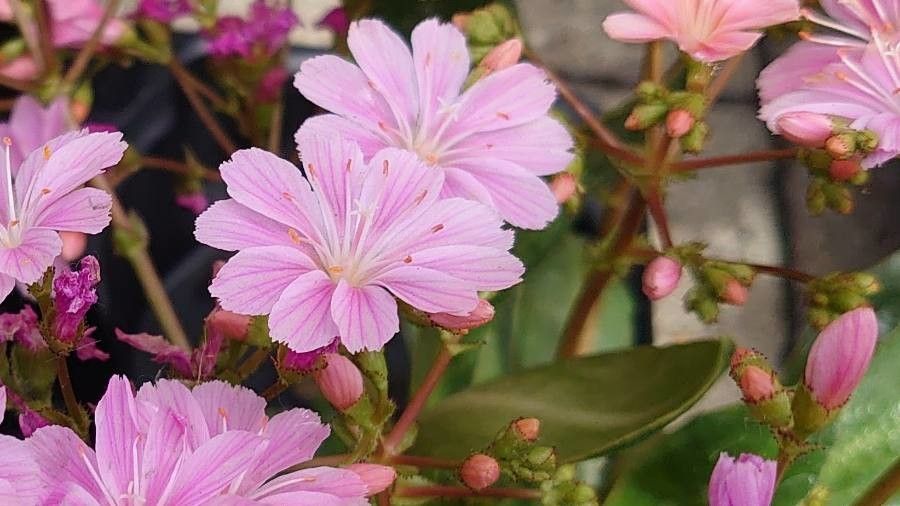
Oh, Lewisia congdonii! If you’ve ever seen these beauties in bloom, you know their charm. They have these delicate, rose-like flowers that just burst with color, often in shades of pink to white, nestled amongst succulent leaves. They really evoke a sense of wild, alpine beauty, don’t they? Propagating them can feel a bit like unlocking a little gardening secret, and I tell you, there’s a special satisfaction in watching a new plant thrive from your own efforts. Now, if you’re a beginner, I’ll be honest, Lewisia congdonii can be a touch finicky, but don’t let that deter you! With a little care and attention, it’s absolutely achievable.
The Best Time to Start
For Lewisia congdonii, spring is your golden window. Think of it as the plant waking up from its winter slumber and gearing up for a growth spurt. This is when the energy is flowing, and the plant is most receptive to forming new roots. You want to start when the plant is actively growing, not when it’s stressed or dormant.
Supplies You’ll Need
Gathering your supplies beforehand makes the whole process much smoother. Here’s what I usually have on hand:
- Sharp, clean pruning shears or a sharp knife: For making precise cuts. Cleanliness is super important to prevent disease.
- A gritty, well-draining potting mix: This is non-negotiable for Lewisias! I often use a blend of coarse sand, perlite, and a good quality potting soil, or a specialized cactus and succulent mix.
- Small pots or cell trays: Clean and with drainage holes, of course.
- Rooting hormone (optional but helpful): A powder or gel can give your cuttings a nice boost.
- A spray bottle: For gentle misting.
- A label and waterproof marker: To keep track of what you’ve planted.
- Patience! Absolutely essential.
Propagation Methods
Lewisias can be a little tricky to propagate, but division is often the most successful method for home gardeners.
Division
This is best done in spring, just as the plant starts to show signs of growth.
- Gently remove the parent plant from its pot.
- Inspect the root ball. You’re looking for natural separations where new growth points or offsets are visible. The goal is to tease these apart.
- Use your fingers or a clean knife to carefully separate the offsets. If a division has a good amount of root attached, that’s ideal. Sometimes you might get a division with just a bit of root or even just a clump of leaves with a tiny bit of basal stem – these can sometimes be coaxed into rooting.
- Allow the cut surfaces to callus over for a day or two in a dry, airy spot. This helps prevent rot.
- Pot each division into its own small pot filled with your gritty, well-draining mix.
- Water lightly after potting. Don’t drench them.
While stem cuttings can be attempted with Lewisias, they are much more prone to rot and can be quite disappointing for beginners. For Lewisia congdonii, I strongly recommend focusing on division.
The “Secret Sauce” (Pro Tips)
Here are a few things I’ve learned over the years that really make a difference:
- Less water is more, especially at the start. Lewisias are succulents for a reason; they store water. Overwatering is the quickest way to lose a new propagation. Water only when the top inch of soil is dry.
- Consider bottom heat. If you’re propagating divisions that are a bit bare-rooted, placing the pots on a gentle heat mat can encourage root formation. Just a little warmth can make a big difference.
- Don’t fuss too much. Once you’ve potted your divisions and given them a light watering, step back and let them do their thing. Constantly poking and prodding them can disturb developing roots.
Aftercare & Troubleshooting
Once your divisions are potted, keep them in a bright spot with indirect light. Avoid direct, scorching sun, especially when they’re still settling in. Continue to water sparingly, allowing the soil to dry out between waterings.
The biggest thing to watch out for is rot. If you see leaves turning mushy or translucent, or the base of the plant looking dark and slimy, it’s a sign of too much moisture and likely a fungal issue. Sadly, if rot sets in, it’s very difficult to save the plant. This is why that well-draining soil and careful watering are so crucial from day one. If you don’t see any new growth or roots after several weeks, don’t despair! Some plants just take their sweet time.
A Encouraging Closing
Propagating Lewisia congdonii might not be the absolute easiest plant to start with, but it’s incredibly rewarding. Each new success is a small victory, and watching those tiny little plants mature into their own flowering beauties is a joy. Be patient with yourself and the plants. Embrace the learning curve, and most importantly, enjoy the journey of nurturing new life in your garden!
Resource:
https://identify.plantnet.org/k-world-flora/species/Lewisia%20congdonii%20(Rydb.)%20S.Clay/data