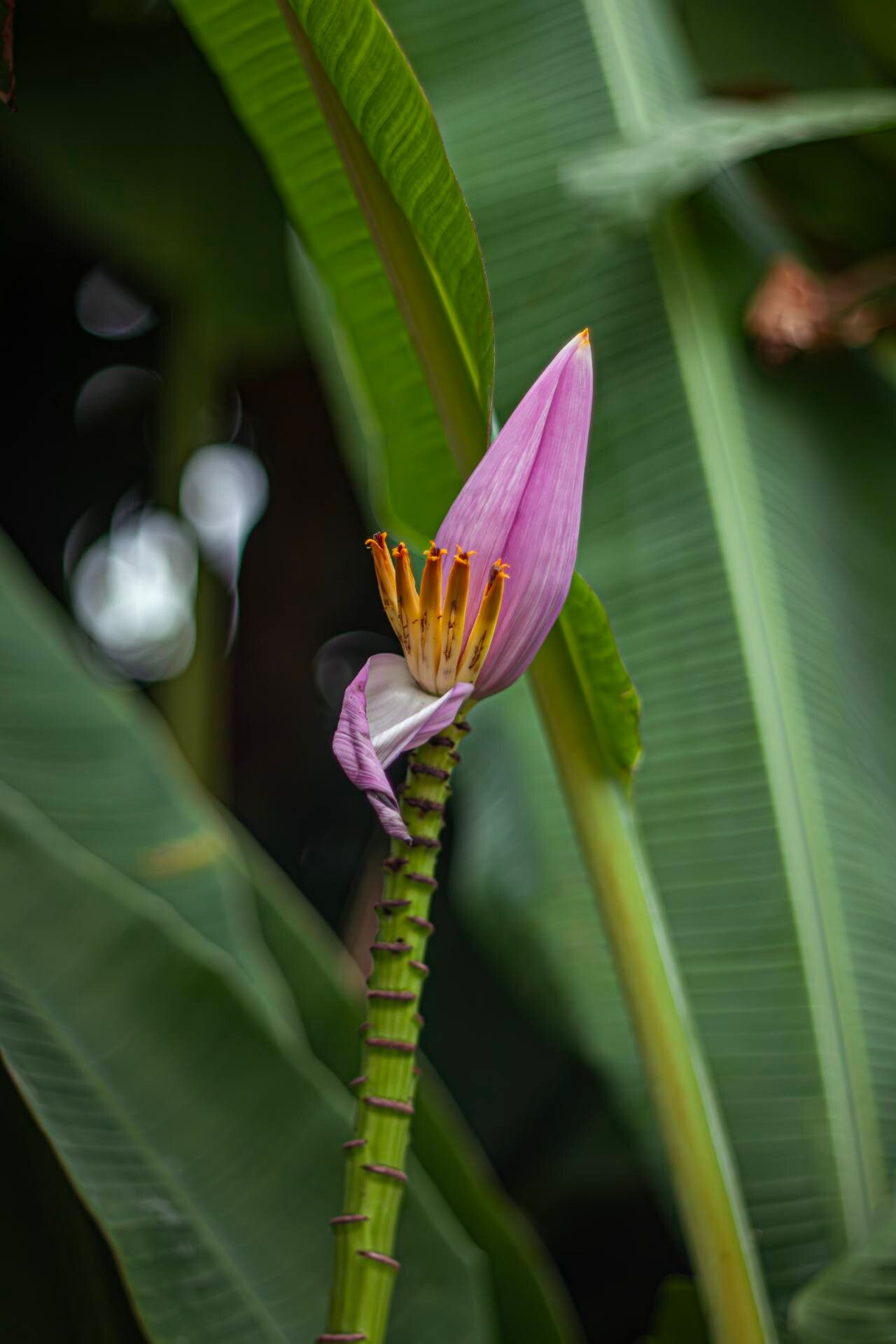
Hey there, fellow plant enthusiasts! It’s me, your gardening pal, back with another exciting project. Today, we’re diving into the wonderful world of propagating Musa ornata, often called the Pink Flowering Banana. Oh, this one is a real showstopper! Its vibrant, orchid-like bracts are just stunning, and seeing one grow from a tiny seedling to a mature specimen is truly a joy. And guess what? Propagating it yourself makes that joy even sweeter, and dare I say, quite achievable.
Musa ornata isn’t the most sprawling of the banana varieties, making it a bit more manageable. For beginners, it’s a good entry point into banana propagation. It’s not difficult, but it does require a little attention to detail. Think of it like nurturing a precious baby plant – a little extra care goes a long way!
The Best Time to Start
Honestly, the sweet spot for propagating Musa ornata is when your “mother” plant is actively growing, usually from late spring through summer. You’re looking for a plant that’s healthy, vigorous, and putting out plenty of new shoots. When you see those little pups popping up around the base, that’s your golden ticket!
Supplies You’ll Need
Gathering your tools beforehand makes the whole process smoother. You’ll want:
- Sharp pruning shears or a clean, sharp knife: For making clean cuts.
- Well-draining potting mix: A blend of peat moss, perlite, and coco coir works beautifully. You can also buy specific succulent or cactus mixes.
- Small pots or trays: Terracotta pots are great because they breathe, helping to prevent waterlogging.
- Rooting hormone powder (optional but recommended): This little helper can give your cuttings a significant boost.
- Clear plastic bags or a propagator: To create a humid environment.
- Watering can with a fine rose or a spray bottle: For gentle watering.
- Gloves (optional): If you’re sensitive to banana sap.
Propagation Methods: Let’s Get Our Hands Dirty!
The absolute best way to propagate Musa ornata is through division of its pups. Bananas are suckering plants, meaning they naturally produce baby plants, or pups, around their base.
Here’s how we do it:
- Assess Your Mother Plant: Look for well-established pups that are at least a foot tall and have their own healthy leaves. Ideally, they’ll have started to develop their own root system, which you can sometimes see at their base.
- Gently Uncover: Carefully dig around the base of the pup you want to remove. You might need to gently pull back some soil or mulch. The goal is to expose where the pup is attached to the mother rhizome.
- Make the Cut: Using your sharp pruning shears or knife, make a clean cut separating the pup from the mother plant. Try to get a bit of the mother rhizome attached to the pup if possible, as this will have stored energy and potential roots.
- Inspect and Trim: Once separated, trim off any damaged or yellowing leaves. If the pup is quite large and has a lot of foliage, you can even trim some of the leaves back by about a third. This reduces water loss through transpiration while the roots establish.
- Let it Callus (Optional but Recommended): Allow the cut surface on the pup to air dry for a day or two in a shaded, airy spot. This helps to form a protective callus over the wound, reducing the risk of rot when you plant it.
- Potting Up: Fill your small pot with your well-draining potting mix. Make a small well in the center. If you’re using rooting hormone, dip the cut end of the pup into the hormone powder, tapping off any excess. Then, place the pup into the well and firm the soil gently around its base. Water lightly.
- Create a Humid Environment: This is crucial! Place the potted pup inside a clear plastic bag (tent it over the pot to avoid leaves touching the soil) or into a propagator. Seal it loosely to allow for some air circulation. Place it in a warm spot with bright, indirect light.
The “Secret Sauce” (Pro Tips)
Here are a few little tricks I’ve learned over the years that really make a difference with these banana babies:
- Bottom Heat is Your Best Friend: Bananas love warmth, especially when they’re trying to root. Placing your pots on a heat mat designed for seedlings can significantly speed up root development. It mimics that lovely, warm soil they’d find from the mother plant’s rhizome.
- Don’t Drown Your Dreams: It’s tempting to water a new cutting regularly, but remember, it doesn’t have established roots yet. Water sparingly. The goal is to keep the soil consistently moist, not wet. The humidity inside the bag will do a lot of the work. Check the soil moisture by gently pressing your finger into it; if it feels dry an inch down, it’s time for a light watering.
- Watch for the “Green Blush”: When you see new, healthy green growth emerging from the center of your Musa ornata pup, that’s a fantastic sign! It means it has successfully rooted and is starting to thrive.
Aftercare & Troubleshooting
Once you see that glorious new growth, you can start to gradually acclimate your new Musa ornata to normal conditions. Begin by opening the plastic bag for a few hours each day, increasing the time slowly over a week or two. Once it’s fully out of the bag and looking happy, you can treat it like a small, established plant. Continue to water when the top inch of soil feels dry and provide bright, indirect light.
Now, let’s talk about potential hiccups. The most common foe is rot. This usually happens from overwatering or poor drainage. Signs include mushy stems, blackening at the base, and wilting even when the soil is wet. If you suspect rot, act fast! Remove the plant from its pot, trim away any rotted parts with a clean knife, and repot in fresh, dry soil. You might also try using a fungicide if you have it on hand. Sometimes, it’s just a matter of learning your plant’s needs. Don’t get discouraged if you lose one or two; it’s all part of the learning curve!
Patience is a Gardener’s Virtue
Propagating Musa ornata is a truly rewarding experience. It takes a bit of patience and keen observation, but seeing that little pup grow into its own magnificent plant is a special kind of magic. So, get out there, find yourself a healthy specimen, and give it a try. Enjoy the process, and happy gardening!
Resource:
https://identify.plantnet.org/k-world-flora/species/Musa%20ornata%20Roxb./data