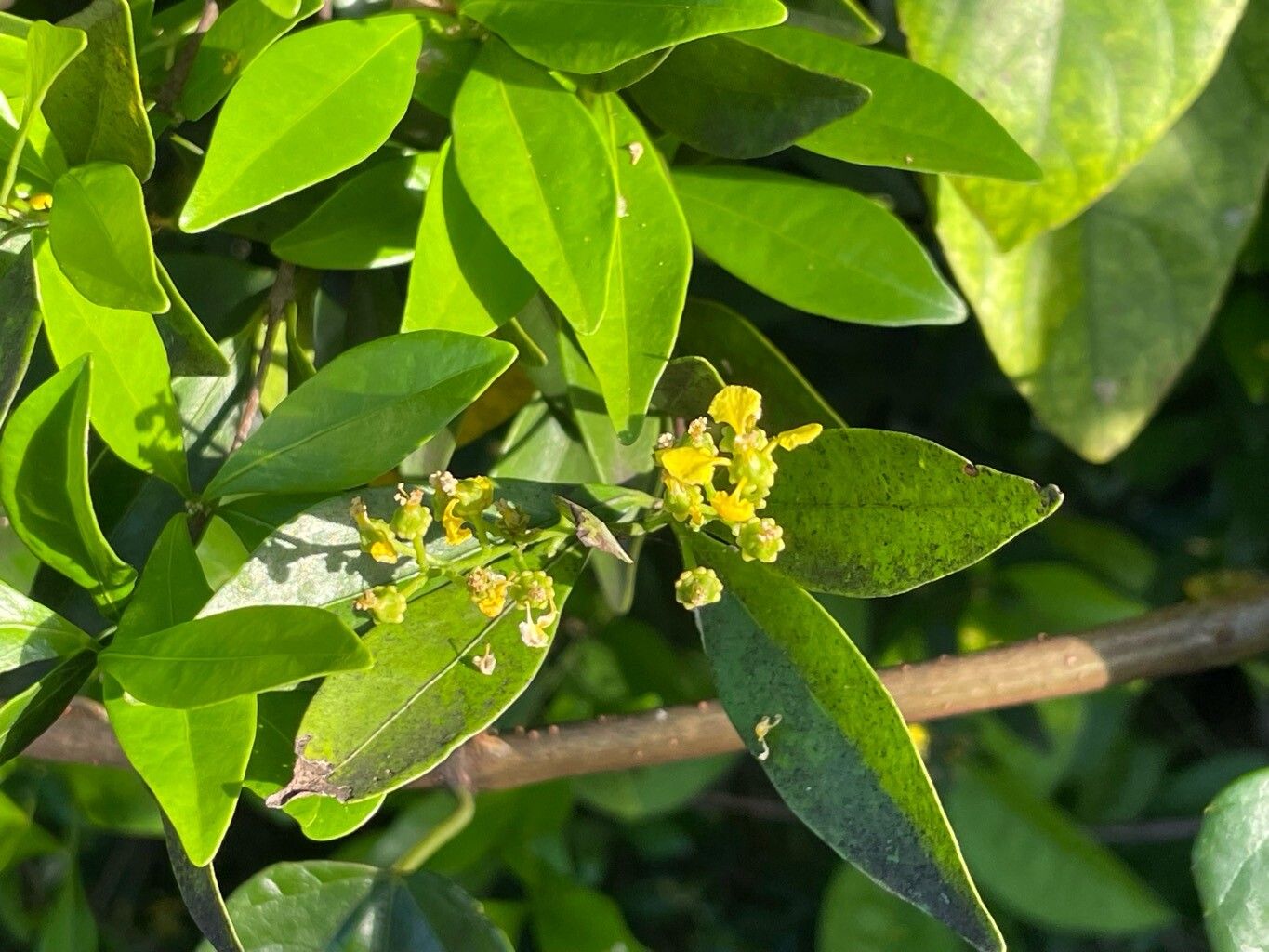
Oh, hello there! Pull up a chair, let’s chat about Bunchosia glandulosa. I’ve been growing these beauties for years, and they really do bring a special touch to the garden. You might know them as Peanut Butter Fruit, and yes, the fruit does have a distinct, vaguely peanut buttery flavor that’s quite delightful! But even if the fruit isn’t your main draw, the glossy, dark green leaves and delicate yellow flowers are just so elegant.
Propagating Bunchosia glandulosa can feel like unlocking a little bit of magic. It’s not the absolute easiest plant for a complete beginner, but with a little patience and these tips, you’ll be well on your way. Watching a tiny cutting transform into a thriving new plant is one of the most rewarding experiences in gardening, in my book.
The Best Time to Start
Honestly, spring is your best friend here. Aim for late spring or early summer, after the main flush of growth has started. This is when the plant is actively producing new, healthy stems, and they have plenty of energy to put into rooting. Avoid trying this when the plant is stressed by extreme heat or cold.
Supplies You’ll Need
Here’s a little kit to get you going:
- Sharp Pruning Shears or a Knife: For clean cuts.
- Rooting Hormone (Optional but Recommended): A powder or gel to encourage root development.
- Potting Mix: A light, well-draining mix is key. I like to use a blend of peat moss, perlite, and a little bit of compost. You can also buy specific seed-starting or propagation mixes.
- Small Pots or Trays: With drainage holes, of course!
- Plastic Bags or a Propagation Dome: To create a humid environment.
- Watering Can or Spray Bottle: For gentle watering.
- Labels: To remember what you’ve potted!
Propagation Methods
We’ll focus on the most reliable method for Bunchosia glandulosa: stem cuttings.
- Select Your Cuttings: Look for healthy, semi-hardwood stems. These are stems that are no longer floppy and green, but not yet old and woody. They should be about 4-6 inches long and have at least a couple of leaf nodes (where the leaves attach to the stem).
- Make the Cut: Using your sterilized pruning shears or knife, make a clean cut just below a leaf node. This is where roots are most likely to form.
- Prepare the Cutting: Gently remove the lower leaves from the cutting, leaving about 2-3 leaves at the top. If the remaining leaves are very large, you can cut them in half to reduce water loss through transpiration.
- Apply Rooting Hormone (If Using): Dip the cut end of the stem into your rooting hormone, tapping off any excess.
- Plant Your Cuttings: Fill your small pots with the prepared potting mix. Make a small hole in the center with your finger or a pencil. Insert the cut end of the stem into the hole, making sure the leaf nodes are below the soil surface. Firm the soil gently around the stem.
- Water Gently: Lightly water the soil to settle it in.
- Create Humidity: This is crucial! You can either place the potted cuttings inside a clear plastic bag, making sure the leaves don’t touch the sides, or cover them with a propagation dome.
- Provide Light and Warmth: Place the pots in a bright spot with indirect light. Avoid direct sun, which can scorch the tender cuttings. Bottom heat from a heating mat can significantly speed up the rooting process.
The “Secret Sauce” (Pro Tips)
Here are a couple of things I’ve learned over the years that really make a difference:
- Don’t Drown Your Leaves: When watering, be careful that you’re not constantly soaking the leaves. This can lead to fungal issues. A gentle shower or watering at the base of the stem is best. If you’re using a plastic bag, try not to let the leaves constantly press against the damp plastic.
- The Power of Bottom Heat: I cannot stress this enough! A little bit of gentle warmth from below, courtesy of a propagation mat, makes a world of difference. It mimics the conditions that encourage roots to develop, and it really speeds things up. You can find affordable ones online.
Aftercare & Troubleshooting
Keep the soil consistently moist but not waterlogged. That humid
Resource:
https://identify.plantnet.org/k-world-flora/species/Bunchosia%20glandulosa%20(Cav.)%20DC./data