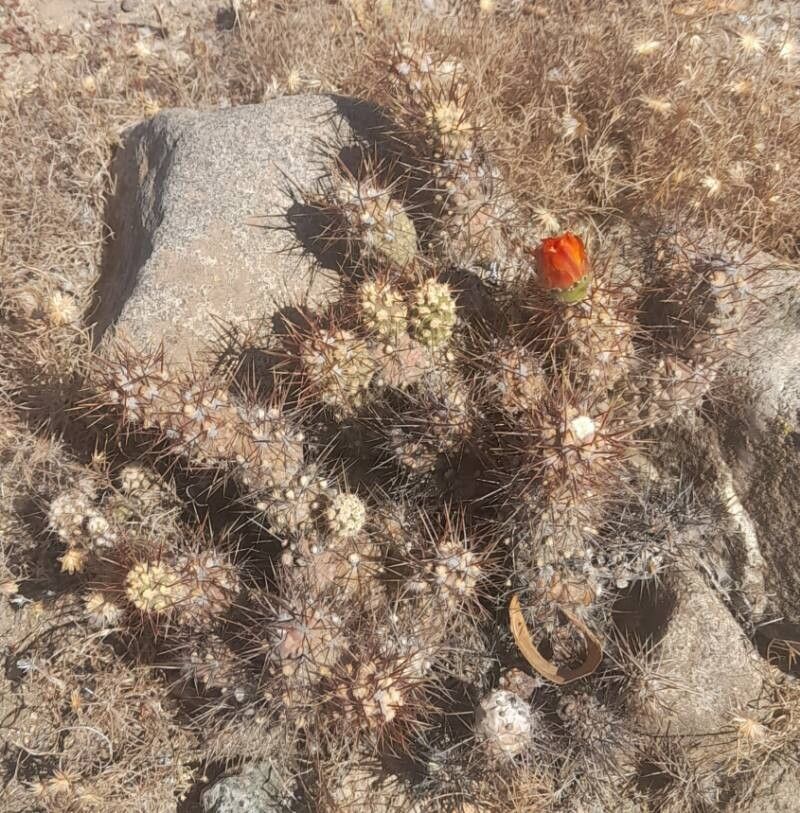
Hey there, fellow plant lovers! I’m so glad you’re here. Today, we’re diving into the wonderful world of propagating Cumulopuntia leucophaea. These little guys, with their fuzzy white pads, are just darling, aren’t they? They bring a touch of whimsy to any space, and the satisfaction of growing your own from a tiny cutting is truly something special. If you’re new to plant propagation, I’ve got good news: Cumulopuntia leucophaea is generally quite forgiving, making it a delightful starter project.
The Best Time to Start
My favorite time to take cuttings and start new plants is during the active growing season, which for these succulents is typically late spring through summer. This is when the plant has plenty of energy to put into forming new roots. You’ll see lots of new growth happening then, which is a good sign your plant is happy and ready to share!
Supplies You’ll Need
Gathering your tools beforehand makes the process so much smoother. Here’s what I usually have on hand:
- Sharp, clean pruning shears or a sterile knife: For making clean cuts.
- Well-draining potting mix: A cactus and succulent mix is ideal. You can also make your own by combining potting soil with perlite or pumice.
- Rooting hormone (optional but helpful): This gives your cuttings a little boost.
- Small pots or propagation trays: With drainage holes, of course!
- Gloves (optional): If you want to keep your hands clean.
- A spray bottle with water: For gentle misting.
Propagation Methods
Let’s get our hands dirty! The most straightforward way to propagate Cumulopuntia leucophaea is through stem cuttings.
Stem Cuttings:
- Select a healthy pad: Look for a mature, well-formed pad on your existing plant.
- Make the cut: Using your sharp shears or knife, make a clean cut at the base of the pad, where it meets the rest of the plant. You want a decent-sized piece of the stem attached to it.
- Let it callous: This is a crucial step! Lay the cutting on a dry surface in a well-ventilated spot, away from direct sunlight, for several days to a week. You want the cut end to dry out and form a callus. This prevents rot when you plant it.
- Plant the cutting: Once calloused, gently place the cut end into your well-draining potting mix. You can stick it in just enough so it stands upright. If you’re using rooting hormone, dip the calloused end into it before planting.
- Water sparingly: Wait a few days after planting before giving it its first light watering. It’s better to underwater than overwater at this stage.
The “Secret Sauce” (Pro Tips)
Over the years, I’ve learned a few little tricks that make a big difference.
- Don’t rush the callus: I can’t stress this enough. Patience here is key to preventing rot. If you’re unsure, let it callous for an extra day or two.
- Warmth helps: If you have a warm windowsill or even a seedling heat mat, providing a little bottom warmth can really encourage root development. It mimics the warmth of the soil in its natural environment.
- A light touch with water: When you do water, I prefer to lightly mist the soil around the cutting for the first few weeks rather than drenching it. This keeps the soil moist but not waterlogged, which is exactly what young roots need.
Aftercare & Troubleshooting
Once you see signs of new growth or feel gentle resistance when you tug lightly on the cutting, you know roots are forming!
- Continue light watering: Gradually increase watering as the plant establishes itself, but always let the soil dry out between waterings.
- Move to brighter light: Once it looks like it’s really taking off, you can gradually introduce it to brighter, indirect light conditions.
- Watch for rot: The biggest enemy here is rot, which usually shows up as a mushy, discolored base. If you see this, sadly, that cutting is likely lost. To prevent it, remember that lovely callus and well-draining soil.
- Pests: Keep an eye out for common succulent pests like mealybugs, but they’re usually easy to manage with a q-tip dipped in rubbing alcohol.
A Encouraging Closing
Propagating Cumulopuntia leucophaea is a journey, and like any good gardening adventure, it requires a little patience. Don’t be discouraged if not every cutting takes. Learn from each one, celebrate your successes, and enjoy the process of watching new life emerge. Happy propagating!
Resource:
https://identify.plantnet.org/k-world-flora/species/Cumulopuntia%20leucophaea%20(Phil.)%20Hoxey/data