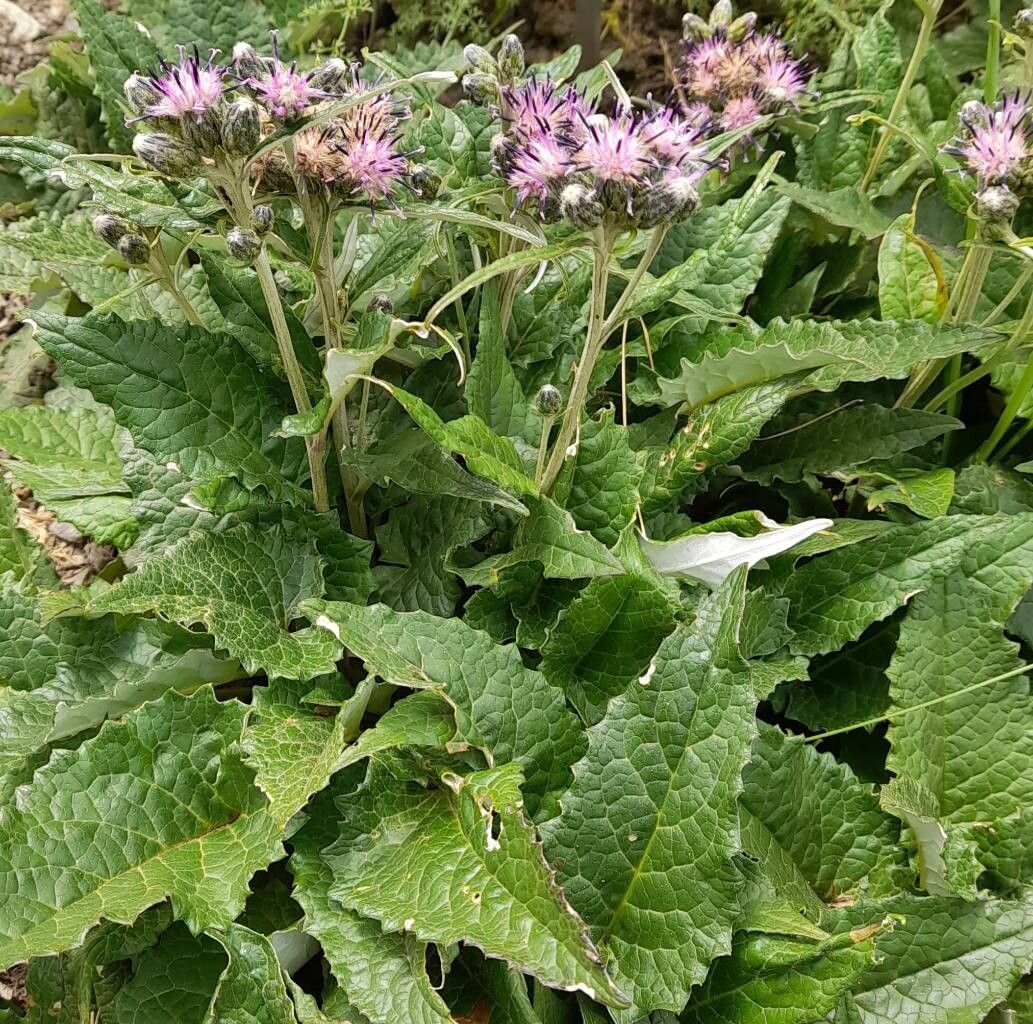
Hey there, fellow garden enthusiasts! I’m so excited to chat with you today about a real gem in the plant world: Saussurea discolor. If you’re looking for a plant that offers stunning visual appeal with its velvety, silver-backed leaves and unique, almost architectural presence, then look no further. Propagating this beauty is incredibly rewarding, allowing you to share its magic or simply expand your own collection. Now, I’ll be honest, Saussurea discolor isn’t exactly a beginner’s “throw it in a pot and forget it” kind of plant, but with a little care and attention, it’s absolutely achievable.
The Best Time to Start
For the highest chance of success with Saussurea discolor, I always recommend starting in late spring or early summer. This is when the plant is actively growing, meaning it has plenty of energy to put towards developing new roots. Waiting until new shoots have emerged and are showing good vigor is key. You don’t want to try propagating from dormant material.
Supplies You’ll Need
Gathering your tools beforehand makes the whole process much smoother. Here’s what I typically have on hand:
- Sharp, clean pruning shears or a sharp knife. For clean cuts, this is non-negotiable.
- A well-draining potting mix. I like a blend of equal parts peat moss, perlite, and coarse sand. You can also find specialized seedling or propagation mixes.
- Small pots or propagation trays. Cleanliness is essential here!
- Rooting hormone (optional, but helpful). A good powder or gel can give your cuttings a boost.
- A plastic bag or a clear plastic dome. To create a humid environment.
- Watering can with a fine rose. For gentle watering.
- Labels and a permanent marker. So you don’t forget what you planted where!
Propagation Methods
There are a couple of ways to go about propagating Saussurea discolor, but my favorite and usually the most successful is through stem cuttings.
Stem Cuttings
- Select your cutting: Look for healthy, non-flowering stems that are about 4-6 inches long. You want a stem that’s somewhat pliable but not overly soft.
- Make the cut: Using your sharpest tool, make a clean cut just below a leaf node (where a leaf attaches to the stem). This is where roots are most likely to form.
- Prepare the cutting: Gently remove the lower leaves from the cutting, leaving just the top two or three sets. If the leaves are very large, you can even cut them in half to reduce water loss.
- Apply rooting hormone: If you’re using rooting hormone, dip the cut end into the powder or gel, tapping off any excess.
- Plant the cutting: Fill your small pot with the prepared potting mix. Make a small hole in the center with your finger or a pencil. Insert the cut end of the stem into the hole, making sure that any remaining leaf nodes are below the soil surface. Gently firm the soil around the stem.
- Water and cover: Water the potting mix gently until it’s moist but not soggy. Then, cover the pot with a plastic bag or a cloche to maintain high humidity. Poke a few small holes in the bag for ventilation if you’re worried about it getting too stuffy.
Division (Less Common, but Possible)
While stem cuttings are my preferred method, you can also propagate Saussurea discolor by dividing an established clump. This is best done in early spring as the plant begins to wake up.
- Gently dig up the entire plant.
- Carefully tease apart the root ball, looking for natural divisions where new shoots are emerging.
- Each division should have a good amount of roots and at least one healthy shoot.
- Replant the divisions immediately in well-draining soil, watering them in.
The “Secret Sauce” (Pro Tips)
Here are a few tricks I’ve picked up over the years that really seem to make a difference:
- Don’t let those leaves touch the water! If you’re opting for even a brief soak to settle the soil, ensure no leaves dip into any accumulating water. This is a fast track to rot.
- Bottom heat is your friend. If you have the space and the inclination, placing your pots on a gentle heating mat can significantly speed up root development. It mimics the warmth of spring soil perfectly.
- Be patient with ventilation. While humidity is crucial, too much stagnant air can invite fungal diseases. Once a week, remove the plastic cover for an hour or two to allow for air circulation.
Aftercare & Troubleshooting
Once you see new growth emerging from the soil, that’s a great sign! It means roots are forming. You can gently tug on the cutting to feel for resistance – that’s resistance from new roots anchoring it.
Continue to keep the soil consistently moist but not waterlogged. Gradually reduce the humidity by opening the plastic bag a little more each day until it’s completely removed. As the plant grows stronger, you can move it to a slightly larger pot if needed.
The biggest pitfall you’ll likely encounter is rot. If your cutting turns black and mushy, or if the leaves start to yellow and wilt without signs of new growth, it’s usually a sign of too much moisture or poor drainage. Don’t be discouraged if a few cuttings don’t make it; it’s part of the learning process! Just compost the failed ones and try again.
A Encouraging Closing
Propagating Saussurea discolor is a journey, and like any good gardening adventure, it requires a little patience and a lot of observation. Don’t be afraid to experiment, and remember that every gardener has had their share of failures! Enjoy the process of nurturing these new plants, and soon you’ll be surrounded by those beautiful, silvery leaves. Happy gardening!
Resource:
https://identify.plantnet.org/k-world-flora/species/Saussurea%20discolor%20(Willd.)%20DC./data