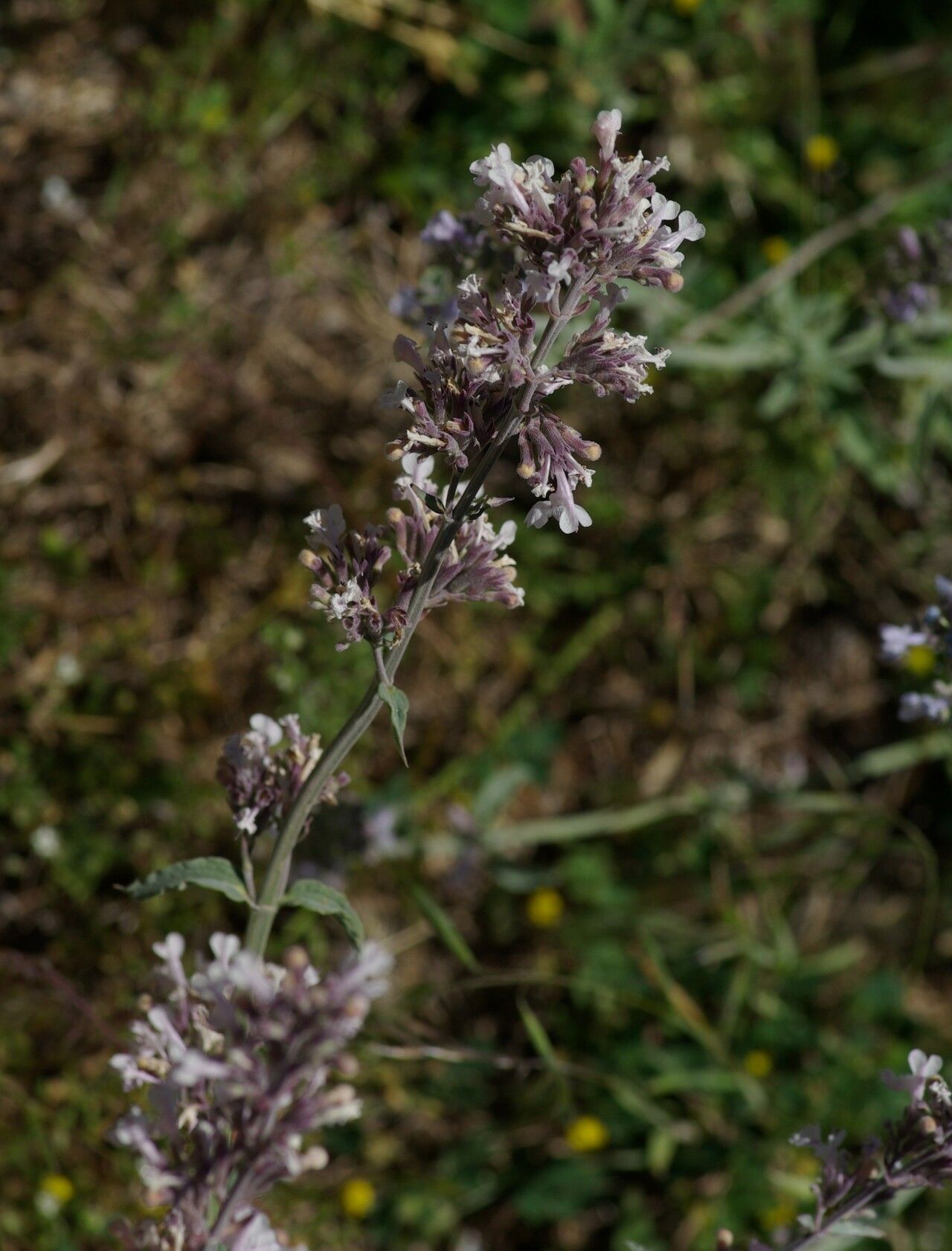
Hey there, fellow garden enthusiasts! I’m so excited to chat with you today about a plant that has brought me endless joy over my 20 years of playing in the dirt: Nepeta nepetella, or as many of us affectionately call it, Catmint.
Why You’ll Love Propagating Catmint
If you’re a fan of beautiful, fragrant foliage and those delightful little lavender-blue blossoms that hummingbirds and bees can’t resist, then Catmint is your jam. It’s robust, drought-tolerant once established, and fills out a garden with such grace. And the best part? Propagating it is incredibly rewarding. It’s not rocket science, which is music to any beginner gardener’s ears. In fact, Nepeta nepetella is a wonderfully forgiving plant, making it an excellent candidate for your first propagation adventure.
The Best Time to Start
My personal favorite time to get busy with Nepeta cuttings is in late spring or early summer. This is when the plant is actively growing, and those young, soft shoots are full of life and ready to take root. You’re catching it at its energetic peak! You can also try it in early fall, but the success rate might be a bit lower as the plant starts to wind down for winter.
Supplies You’ll Need
Gather your little gardening arsenal! It doesn’t take much to set yourself up for success:
- Clean Pruning Shears or Sharp Knife: For taking nice, clean cuts.
- Small Pots or Seed Starting Trays: With drainage holes, of course!
- Well-Draining Potting Mix: A good blend of potting soil and perlite or coarse sand works wonders.
- Rooting Hormone (Optional but Recommended): This can give your cuttings a little boost.
- Watering Can with a Fine Rose: For gentle watering.
- Plastic Bags or a Clear Dome: To create a mini-greenhouse effect.
- Labels: To remember what you planted where!
Propagation Methods: Let’s Get Our Hands Dirty!
There are a couple of super-effective ways to get more Catmint from your existing plants. I usually lean towards stem cuttings, but division is also a breeze.
Stem Cuttings: The Speedy Route
- Select Your Stems: Look for healthy, non-flowering stems on your established Nepeta plant. You want stems that are about 4-6 inches long and are semi-woody – not super soft and leafy, but not hard and old either. Think of it as the “just right” stage.
- Make the Cut: Using your clean shears, make a clean cut just below a leaf node (where a leaf attaches to the stem).
- Prepare the Cutting: Gently remove the lower leaves from the cutting. You want to leave 1-2 sets of leaves at the top. This prevents them from rotting in the soil and encourages root development.
- Dip in Hormone (If Using): Lightly dip the cut end into your rooting hormone powder. Tap off any excess.
- Plant the Cuttings: Fill your small pots with your well-draining soil mix. Make a small hole in the center with your finger or a pencil. Insert the cut end of the Nepeta cutting into the hole, ensuring the leaf nodes are below the soil surface. Gently firm the soil around it.
- Water Gently: Water the soil thoroughly but gently. You don’t want to blast the cuttings away!
- Create a Humid Environment: Cover the pots with a plastic bag or a clear dome to maintain humidity. If you’re using a bag, you can poke a few holes in it for ventilation. Place the pots in a bright spot, but out of direct, scorching sunlight.
Division: Taming the Clumps
If your Nepeta has gotten a bit large and bushy, division is a fantastic way to get new plants and give your original a boost.
- Dig Up the Plant: In spring or fall, carefully dig up the entire Catmint plant.
- Loosen the Soil: Gently shake off excess soil from the roots.
- Separate the Roots: You can usually just gently pull the plant apart with your hands. If it’s a bit stubborn, a clean trowel or even two forks back-to-back can help you carefully tease apart the root ball into sections. Each section should have a good amount of roots and some leafy growth.
- Replant Immediately: Replant your divisions in well-prepared soil, watering them in well.
The “Secret Sauce”: My Insider Tips
After years of coaxing new plants into existence, I’ve picked up a few tricks that seem to make a world of difference:
- Don’t Let Leaves Touch Water: For stem cuttings in water (if you choose that method), make sure only the bare stem is submerged. Any leaves sitting in the water will rot, which can kill your cutting before roots even have a chance to form.
- Bottom Heat is Your Friend: If you can, placing your pots on a heated seed starting mat can significantly speed up root development. It mimics the warmth of the soil in summer and really encourages those roots to stretch out.
- Give Them a Little Air: While humidity is vital, stagnant air can lead to fungal issues. Open the plastic bag or dome for a few minutes each day to allow for fresh air circulation.
Aftercare & Troubleshooting
Once you see signs of new growth, congratulations! Your cuttings are rooting!
- Gradual Acclimation: Slowly start to acclimate your new plants to drier air before removing the cover completely. Open the bag or dome for longer periods each day for a week or so.
- Watering: Keep the soil consistently moist but not soggy. Water when the top inch of soil feels dry.
- Transplanting: Once the roots are well-established and you see healthy new leaves, you can transplant them into larger pots or their final garden spot.
- Signs of Trouble: The most common culprit for failure is rot. If your cuttings turn mushy, black, or slimy, they’ve likely rotted. This usually happens from too much moisture and not enough air circulation. If you see this, unfortunately, it’s time to start again. It’s a learning curve, and every gardener has had their share of “failures”!
Keep Growing!
Propagating Nepeta nepetella is such a satisfying process. It’s a wonderful way to share your love of gardening with friends or just to fill your own garden with more of this delightful plant. Be patient, observe your cuttings, and don’t be discouraged if you don’t have 100% success right away. That’s the beauty of gardening – it’s a continuous journey of learning and growing. Happy propagating!
Resource:
https://identify.plantnet.org/k-world-flora/species/Nepeta%20nepetella%20L./data