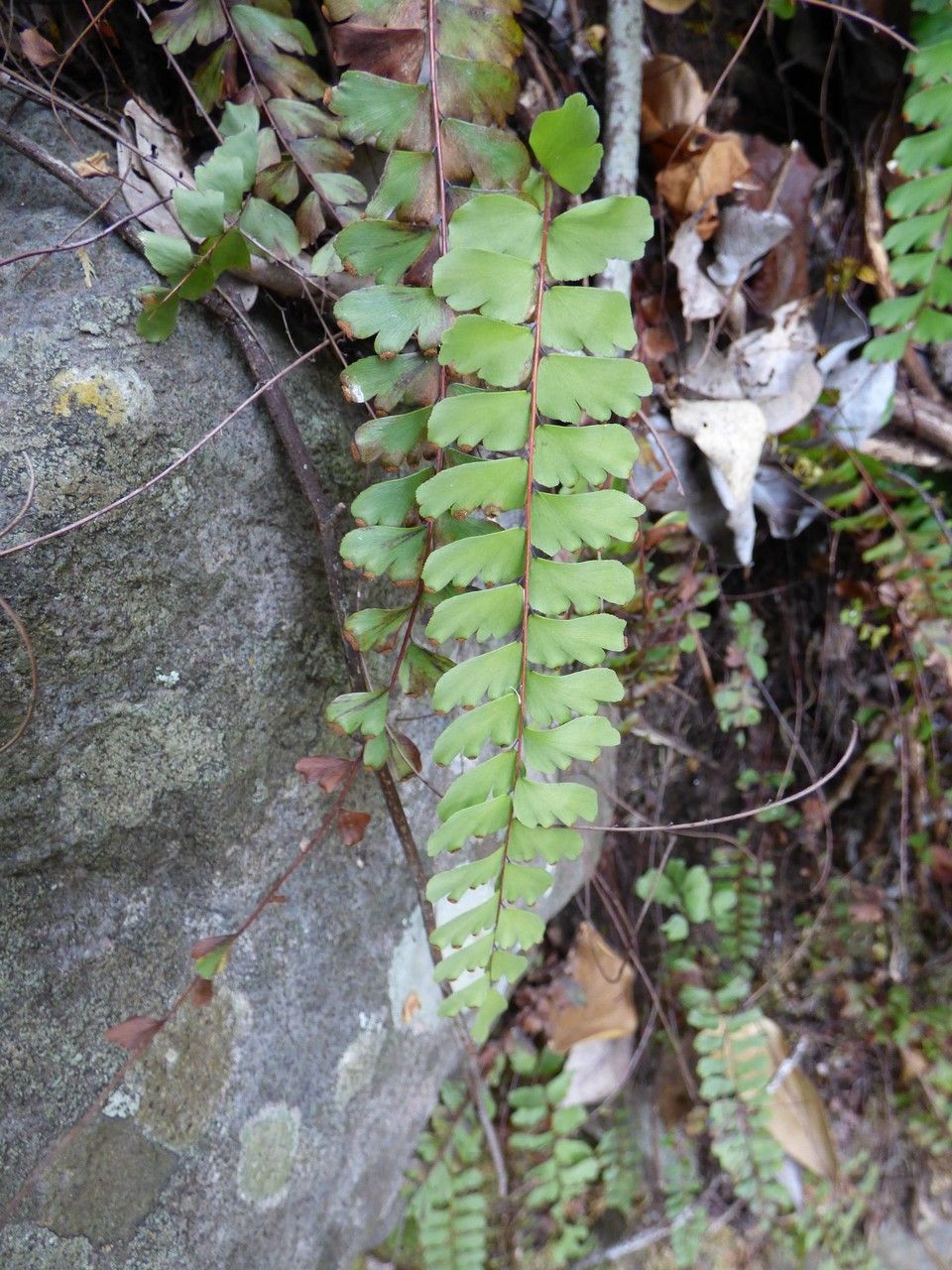
Hello fellow plant lovers! Today, we’re diving into the enchanting world of Adiantum rhizophorum, also known as the Walking Fern. If you’ve ever admired its delicate, lacy fronds and the way it seems to effortlessly spread, you’re not alone. And guess what? Bringing more of these beauties into your life is absolutely achievable! Propagating Adiantum rhizophorum is a truly rewarding experience, allowing you to expand your collection or share these botanical treasures with friends. While it might seem a little technical at first, I promise, with a bit of patience and the right approach, you’ll be a pro in no time. It’s not the absolute easiest plant to start with for a complete beginner, but with this guide, I’m confident you’ll find success.
The Best Time to Start
For the highest success rate with Adiantum rhizophorum, aim to propagate during its active growing season. This typically means late spring through early summer. The plant is full of vigor at this time, which translates to a better chance of rooting and establishing quickly. You can also have success in early fall if you have a warm, protected environment, but spring is my personal go-to.
Supplies You’ll Need
Gathering your supplies beforehand makes the whole process smoother. Here’s what I recommend:
- Sharp, clean pruning shears or a knife: For making clean cuts.
- Well-draining potting mix: I like a blend of peat moss, perlite, and a bit of orchid bark. This mimics their natural woodland environment.
- Small pots or trays: Clean ones are crucial to prevent disease.
- Perlite or vermiculite: For added aeration in your soil mix or as a rooting medium.
- Rooting hormone (optional, but helpful): Look for one formulated for herbaceous plants.
- Watering can with a fine rose: For gentle watering.
- Plastic bags or a clear plastic dome: To create a humid environment.
- Trays or saucers: To catch excess water.
Propagation Methods
Adiantum rhizophorum is a bit unique in how it grows, and that translates to its propagation. Its rhizomes have a tendency to “walk” and root as they go, making division a very natural and effective method.
Division
This is my favorite method for Adiantum rhizophorum because it works with the plant’s natural growth habit.
- Gently remove the plant from its pot. If it’s been in the pot for a while, you might need to coax it out.
- Inspect the root ball. Look for distinct sections of the plant that have their own healthy root system. You might even see where the rhizome has naturally started to divide.
- Using your clean pruning shears or knife, carefully divide the plant. Aim for sections that have several fronds and a good amount of roots. Don’t be afraid to make a clean cut through the rhizome if needed. If you’re struggling, gently tease the roots apart with your fingers.
- Pot up each new division. Use your well-draining potting mix in small pots. Make sure the roots are covered, and the crown of the plant (where the fronds emerge) is at the soil surface.
- Water gently. Thoroughly moisten the soil to settle it around the roots.
The “Secret Sauce” (Pro Tips)
Here are a few things I’ve learned over the years that really give Adiantum rhizophorum a boost:
- Don’t let the crown sit in water. While they love humidity, soggy crowns are a fast track to rot. Ensure good drainage and water the soil, not directly onto the leafy tops.
- Mimic a terrarium environment. For divisions or cuttings, covering them with a clear plastic bag or dome is a game-changer. This maintains high humidity, which is critical for these ferns to establish without drying out. Just make sure to open it for a few minutes each day to allow for air circulation and prevent fungal issues.
- Bottom heat can work wonders. If you’re propagating in cooler conditions, placing your pots on a gentle propagation mat can significantly speed up root development. Ferns love a bit of warmth for their roots.
Aftercare & Troubleshooting
Once your new Adiantum rhizophorum divisions are potted up, treat them with a little extra care.
- Keep them in bright, indirect light. Avoid direct sun, which can scorch their delicate foliage.
- Maintain consistent moisture. The soil should be kept evenly moist but not waterlogged. You can test this by sticking your finger about an inch into the soil.
- Increase humidity. This is where that plastic covering comes in handy for the first few weeks.
- Give them time. It can take several weeks, sometimes even a couple of months, for new growth to appear. Be patient!
Troubleshooting: The most common issue you might face is rot. If you see mushy, black stems or roots, it’s usually a sign of overwatering and poor air circulation. If you catch it early, you might be able to trim away the rotted parts and repot in fresh, drier soil. Another sign that things aren’t going well is if the fronds wilt and dry out quickly. This usually indicates the plant isn’t getting enough humidity or its roots haven’t established yet.
A Encouraging Closing
Propagating Adiantum rhizophorum is a journey, and like any good garden adventure, it requires a bit of patience and observation. Don’t be discouraged if your first attempt isn’t perfect. Each plant, and each propagation, is a learning opportunity. Enjoy the process of nurturing these delicate beauties, and soon you’ll have even more of them to adorn your home. Happy growing!
Resource:
https://identify.plantnet.org/k-world-flora/species/Adiantum%20rhizophorum%20Sw./data