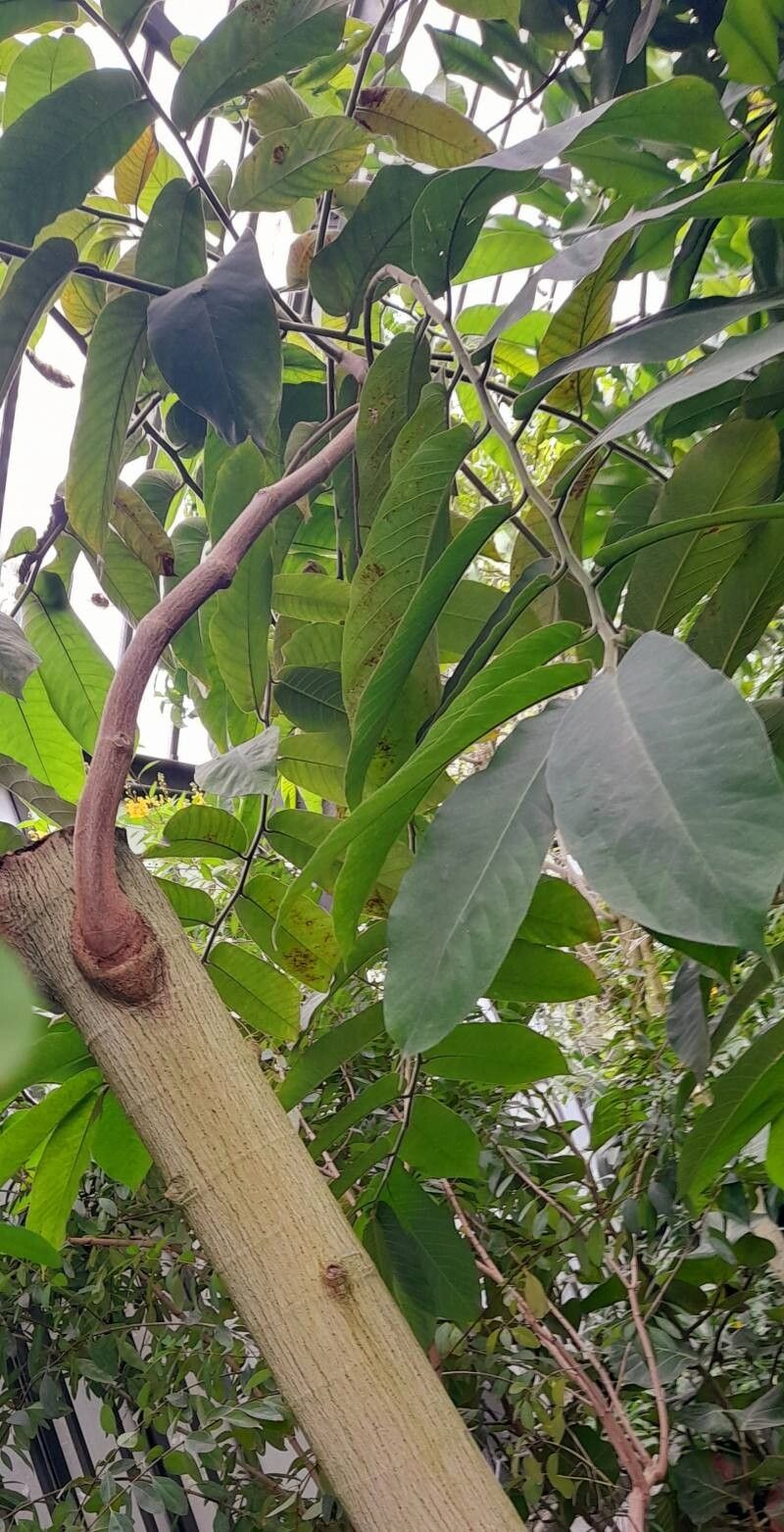
Hello, fellow plant enthusiasts!
There’s something incredibly satisfying about coaxing a new life from an existing plant, isn’t there? Today, we’re diving into the wonderful world of propagating Castilla elastica, also known as the Panama rubber tree. These beauties, with their gorgeous, glossy leaves, can really bring a tropical vibe to any space, indoors or out. And the best part? Growing more of them yourself is totally achievable! While it might sound a bit daunting at first, I promise, with a little patience and know-how, you’ll be rewarded with a whole gang of new rubber trees.
When to Get Rooting
For the best chance of success, spring and early summer are your golden ticket. This is when the plant is actively growing and has the most energy to put into developing new roots. You’re looking for healthy, actively growing stems, not woody or dormant ones. Think vibrant, new growth.
Gathering Your Gear
You won’t need a whole laboratory, just a few trusty tools!
- Sharp Pruning Shears or a Clean Knife: Sterilize them before you start – it’s crucial for preventing disease. A quick wipe with rubbing alcohol does the trick.
- Rooting Hormone (Optional but Recommended): This really gives your cuttings a boost. Look for one that’s suitable for woody or herbaceous cuttings.
- Well-Draining Potting Mix: I love a mix of equal parts perlite, peat moss, and potting soil. This ensures good aeration and prevents waterlogging. For water propagation, a clear jar or vase is perfect.
- Small Pots or Containers: For planting your cuttings once they’ve rooted. Make sure they have drainage holes!
- Plastic Bag or Propagator: This creates a mini-greenhouse effect, keeping humidity high. A clear plastic bag will work wonders.
- Water: Clean, room-temperature water is best.
Bringing New Life Forth: Methods That Work
There are a couple of tried-and-true ways to get your Castilla elastica to multiply. I find these two to be the most reliable.
1. Stem Cuttings: The Classic Choice
This is my go-to method for a reason – it’s straightforward and very effective.
First, select a healthy, non-flowering stem. Look for one that’s about 6-10 inches long and has at least two or three sets of leaves. Using your sterilized shears, make a clean cut just below a leaf node (that’s where the leaf attaches to the stem).
Once you’ve got your cutting, you might notice a milky white sap oozing out. This is normal for rubber trees! You can gently rinse this off with cool water or just let it dry for a few minutes.
Next, remove the lower leaves. You want to keep about 2-3 leaves at the top, but strip away anything that would be below the soil line. If your remaining leaves are very large, I sometimes like to cut them in half horizontally. This reduces water loss through transpiration while still allowing for photosynthesis.
Now, it’s time for the rooting hormone! Dip the cut end into the rooting hormone, tapping off any excess.
Finally, plant your cutting in your prepared potting mix. Make a small hole with your finger or a pencil, insert the cutting, and gently firm the soil around it. Water it lightly.
2. Water Propagation: Watch ‘Em Grow!
This method is a bit more visual, which I personally really enjoy!
Follow the same steps for selecting and preparing your stem cuttings as above. Ensure you remove all but the top 2-3 leaves.
Instead of planting in soil, place your cutting in a clear jar or vase filled with clean water. Make sure the leaf nodes are submerged, but don’t let the remaining leaves touch the water. This is key; leaves in the water will rot and can take your cutting down with them.
Place the jar in a bright spot, but out of direct sunlight.
My Gardener’s Secrets (The “Secret Sauce”!)
Over the years, I’ve learned a few little tricks that can really boost your propagation success.
One thing I always do, especially for stem cuttings, is use bottom heat. A simple heating mat placed under the pot can make a world of difference. It encourages root development from below, giving your cuttings that extra push they need.
Another tip: Don’t be afraid to mist! While you want to keep humidity high, directly spraying the leaves too often can encourage fungal issues. Instead, I like to mist the inside of the plastic bag or propagator I’ve placed over my cuttings every day or two. This creates a humid environment without directly soaking the leaves.
Keeping Them Happy & What to Do When Things Go Wrong
Once your cuttings have developed a decent root system – you’ll see roots peeking out of the drainage holes or a good network forming in the water – it’s time to pot them up. Handle them gently! Plant them in their own small pots with that lovely well-draining mix. Keep them in a bright, indirect light location and water them when the top inch of soil feels dry.
Now, about troubleshooting. The most common issue you’ll see is rot. If your cutting turns black and mushy, it’s usually a sign of too much moisture combined with poor air circulation. If you see this happening in water, try changing the water more frequently. In soil, you might need to pull the cutting out, trim away the rotted bits, and try again with a fresher, drier potting mix. Don’t get discouraged if a few don’t make it – it happens to all of us!
Happy Propagating!
See? It’s not so scary after all! Propagating Castilla elastica is a wonderful way to expand your plant collection and share your green thumb with friends and family. Be patient with your little ones, observe them closely, and most importantly, enjoy the rewarding journey of watching them grow. Happy planting!
Resource:
https://identify.plantnet.org/k-world-flora/species/Castilla%20elastica%20Cerv./data