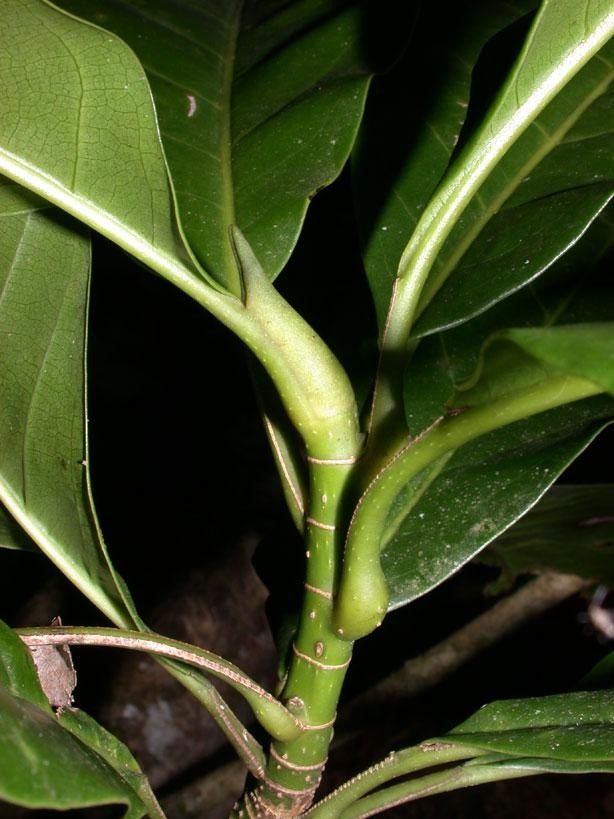
Well hello there, fellow garden enthusiasts! My name is Sarah, and for the last two decades, I’ve been getting my hands delightfully dirty, coaxing new life from old favorites. Today, we’re going to talk about one of my absolute joys: the enchanting Magnolia inodora.
There’s something truly magical about Magnolias, isn’t there? Their large, often fragrant blooms feel like a gift from nature. And the inodora variety? It’s a stunner. Propagating it not only adds more of this beauty to your garden but also offers a deep satisfaction knowing you’ve nurtured a new life from a mere snippet. Now, I won’t sugarcoat it – Magnolias can be a little more nuanced to propagate than, say, a basil plant. It might require a touch more patience, but the rewards are absolutely worth the effort. Don’t let that deter you; it’s a wonderful journey for a determined beginner!
The Best Time to Start
For the sweetest success with your Magnolia inodora, aim for late spring to early summer. This is when the plant is actively growing, meaning its energy is focused on developing new shoots and, importantly, roots. You want to take cuttings when the wood is semi-hardwood. It’s not the flimsy new growth from early spring, nor is it the completely hardened, older wood of autumn. Think of it as being just right – firm, but still slightly flexible.
Supplies You’ll Need
Gathering your tools before you begin makes everything flow so much smoother. Here’s what I always have on hand:
- Sharp Pruning Shears or a Sharp Knife: Cleanliness is key to prevent disease.
- Rooting Hormone: A good quality powder or gel will significantly boost your success.
- Propagating Pots or Trays: Small pots work well, or you can use a tray with individual cells.
- Well-Draining Potting Mix: I swear by a mix of equal parts perlite, peat moss (or coco coir), and a good quality potting soil. This ensures aeration and prevents waterlogging.
- Plastic Bags or a Propagating Dome: To create a humid environment for your cuttings.
- (Optional) Bottom Heat Mat: This can be a game-changer, especially if your propagating area tends to be on the cooler side.
Propagation Methods
While Magnolias can be propagated by seed and division, stem cuttings are generally the most accessible and rewarding method for home gardeners.
Stem Cuttings
- Select Your Cuttings: Look for healthy, vigorous stems on your Magnolia inodora. As I mentioned, aim for that semi-hardwood stage. Each cutting should be about 4-6 inches long and ideally have at least two or three sets of leaves.
- Make the Cut: Using your clean pruning shears or knife, make a clean cut just below a leaf node (where a leaf attaches to the stem). This is where a lot of root development happens.
- Prepare the Cutting: Gently remove the lower leaves from the bottom half of your cutting. You can leave the top two or three leaves, but if they are very large, I like to gently trim them in half. This reduces water loss through transpiration while still allowing for photosynthesis.
- Apply Rooting Hormone: Dip the cut end of the stem into your rooting hormone. Make sure the entire cut surface is coated, then tap off any excess.
- Plant Your Cuttings: Fill your pots or trays with your well-draining mix. Make a small hole in the center with your finger or a pencil. Insert the cutting into the hole, making sure the rooting hormone stays on the cut end and the leaf nodes are below the soil surface. Gently firm the soil around the cutting.
- Water Gently: Water the soil thoroughly but with a gentle spray. You don’t want to disturb the cutting.
- Create a Humid Environment: This is crucial! Cover each pot with a clear plastic bag, securing it with a rubber band, or place the pots inside a larger clear plastic bag or under a propagating dome. Make sure the leaves don’t touch the plastic. If using individual pots, you can also place them on a bottom heat mat if you have one.
The “Secret Sauce”
Here are a couple of little tricks I’ve learned over the years that really make a difference:
- The Surgical Cleanliness Rule: I can’t stress this enough! Every tool, every pot, should be meticulously clean. A little bleach solution or rubbing alcohol can go a long way in preventing fungal infections. Any dirty tool can introduce disease and spell disaster for your precious cuttings.
- Bottom Heat is Your Friend: If you can manage it, providing gentle bottom heat through a mat can speed up root formation considerably. It mimics the warmth of spring earth and encourages those roots to emerge with enthusiasm. It’s like giving your cuttings a cozy little heating pad!
Aftercare & Troubleshooting
Once your cuttings are planted and covered, the waiting game begins. Keep them in a bright, indirect light location. Avoid direct sun, as it can scorch the leaves through the plastic.
Check the moisture levels regularly. You want the soil to be consistently moist but not waterlogged. If the soil surface looks dry, mist it lightly or give it a gentle watering.
You’ll know your cuttings are rooting when you see new leaf growth. This can take anywhere from 4 weeks to several months, so be patient! Once they have a good root system – you can often gently tug on them and feel resistance, or see roots emerging from the drainage holes – it’s time to acclimate them to normal conditions. Gradually remove the plastic cover over a week or two to prevent shock.
The most common issue you might encounter is rot. This is usually a sign of too much moisture and poor air circulation. If you see your cutting turning brown and mushy, it’s likely too late. Remove it immediately and try again, focusing on ensuring good drainage and not overwatering. Brown, crispy leaves can indicate too much direct light or not enough humidity.
A Little Encouragement to End
Propagating Magnolia inodora is a journey of patience and observation. So don’t be discouraged if your first attempt isn’t perfect. Learn from it, adjust your approach, and try again! The joy of seeing those tiny roots develop and eventually transplanting your own proud little Magnolia into its permanent home is an unparalleled gardening thrill. Happy propagating, and enjoy every step of the process!
Resource:
https://identify.plantnet.org/k-world-flora/species/Magnolia%20inbioana%20A.Vázquez/data