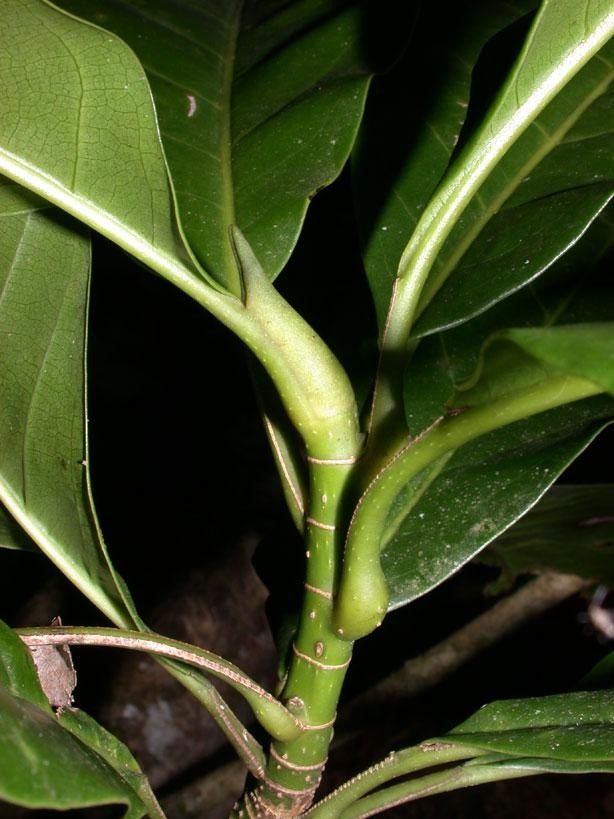
Hey there, fellow plant enthusiasts! It’s so wonderful to connect with you today. You know, there’s something truly magical about coaxing a new magnolia to life. Those stunning, fragrant blooms are a sight to behold, and being able to create more of these beauties from your existing trees? That’s a gardener’s dream, if you ask me. If you’re looking to expand your collection or share a piece of your garden with a friend, propagating Magnolia ‘bioana’ is incredibly rewarding. Now, I’ll be honest, it’s not the easiest plant to propagate for absolute beginners, but with a little patience and the right know-how, you’ll be well on your way!
The Best Time to Start
When it comes to getting those new magnolias going, timing is everything. I’ve found the sweet spot for propagating Magnolia ‘bioana’ is late spring to early summer. This is when the plant is in a period of active growth, making it more receptive to rooting. Look for stems that are semi-hardwood – they’ll be a little firm, but not quite as woody as the older branches. You can usually tell by gently bending a stem; it should snap cleanly rather than just flopping over.
Supplies You’ll Need
Before we dive in, let’s gather our toolkit. Having everything ready will make the process so much smoother.
- Sharp Pruning Shears or a Knife: Clean cuts are key for healthy rooting.
- Rooting Hormone: This is a great booster, especially for woody plants. Look for one with a good balance of auxins.
- Propagating Medium: I personally love a mix of equal parts perlite and peat moss, or a good quality seed-starting mix. It needs to be well-draining!
- Small Pots or Trays: Clean containers with drainage holes are essential.
- Plastic Bags or a Mini Greenhouse: This will help maintain humidity around your cuttings.
- Watering Can or Misting Bottle: For gentle watering.
- Labels and a Marker: Trust me, you’ll thank yourself later for labeling your cuttings!
Propagation Methods
For Magnolia ‘bioana’, stem cuttings are generally the most effective method. It takes a bit of practice, but it’s very satisfying when you see those roots form.
Stem Cuttings:
- Take Your Cuttings: On a mild day, choose healthy, semi-hardwood stems. Aim for cuttings that are about 4-6 inches long. Make a clean cut just below a leaf node (where a leaf attaches to the stem). Remove any leaves from the bottom half of the cutting.
- Prepare the Cutting: Gently scrape a small section of bark off one side of the bottom of the cutting, about an inch long. This is called wounding, and it encourages rooting.
- Apply Rooting Hormone: Dip the wounded end of the cutting into your rooting hormone. Tap off any excess.
- Plant Your Cuttings: Fill your pots with your prepared propagating medium. Make a hole with a pencil or your finger, and insert the cutting deep enough so the leaf nodes are covered by the medium. Gently firm the soil around the base.
- Create a Humid Environment: Water the cuttings gently. Then, cover the pots with a plastic bag or place them in a mini greenhouse. Make sure the leaves aren’t touching the plastic, as this can lead to rot. Insert a few twigs to prop up the bag if needed.
- Provide the Right Conditions: Place the pots in a warm, bright location, but out of direct sunlight. Consistent moisture is crucial, so check the soil regularly and mist if it starts to dry out.
The “Secret Sauce” (Pro Tips)
After years of trial and error, I’ve picked up a few tricks that can really tip the scales in your favor.
- Bottom Heat is Your Friend: Magnolias can be a bit stubborn to root. Placing your pots on a heated propagator mat can make a world of difference. That gentle warmth from below encourages root development much faster.
- Cleanliness is Crucial: I can’t stress this enough! Sterilize your pruning shears and knives with rubbing alcohol before you start. This prevents the spread of any diseases, which can easily be transmitted and doom your cuttings.
- Don’t Be Afraid to Experiment: While semi-hardwood cuttings are my go-to, sometimes taking cuttings a little earlier (softwood cuttings) or a little later (hardwood cuttings) can also work. Just pay attention to the stem’s flexibility and appearance.
Aftercare & Troubleshooting
Once your cuttings have been in their cozy, humid environment for several weeks, it’s time to check for roots. You can do this gently by tugging lightly on a cutting. If you feel resistance, you’ve got roots!
- Acclimatize Gradually: Once roots have formed, it’s time to slowly introduce them to less humid conditions. Start by opening the plastic bag or greenhouse vents for a few hours each day. Gradually increase this time over a week or two.
- Potting Up: Once they’re used to the air, you can pot them into their own individual pots with a good quality potting mix. Keep them in a sheltered spot until they look strong and are actively growing.
- Watch for Rot: The most common issue you’ll encounter is rot. This usually happens when cuttings are kept too wet or have poor air circulation. If you see a cutting turning black and mushy, it’s best to discard it to prevent it from affecting others. Overwatering is the biggest culprit, so always check the soil moisture before you water.
A Little Encouragement
Propagating can be a journey, and not every cutting will make it. That’s perfectly normal! Each attempt is a learning experience. Be patient, pay attention to your plants, and enjoy the process of bringing new life into your garden. Happy propagating!
Resource:
https://identify.plantnet.org/k-world-flora/species/Magnolia%20inbioana%20A.Vázquez/data