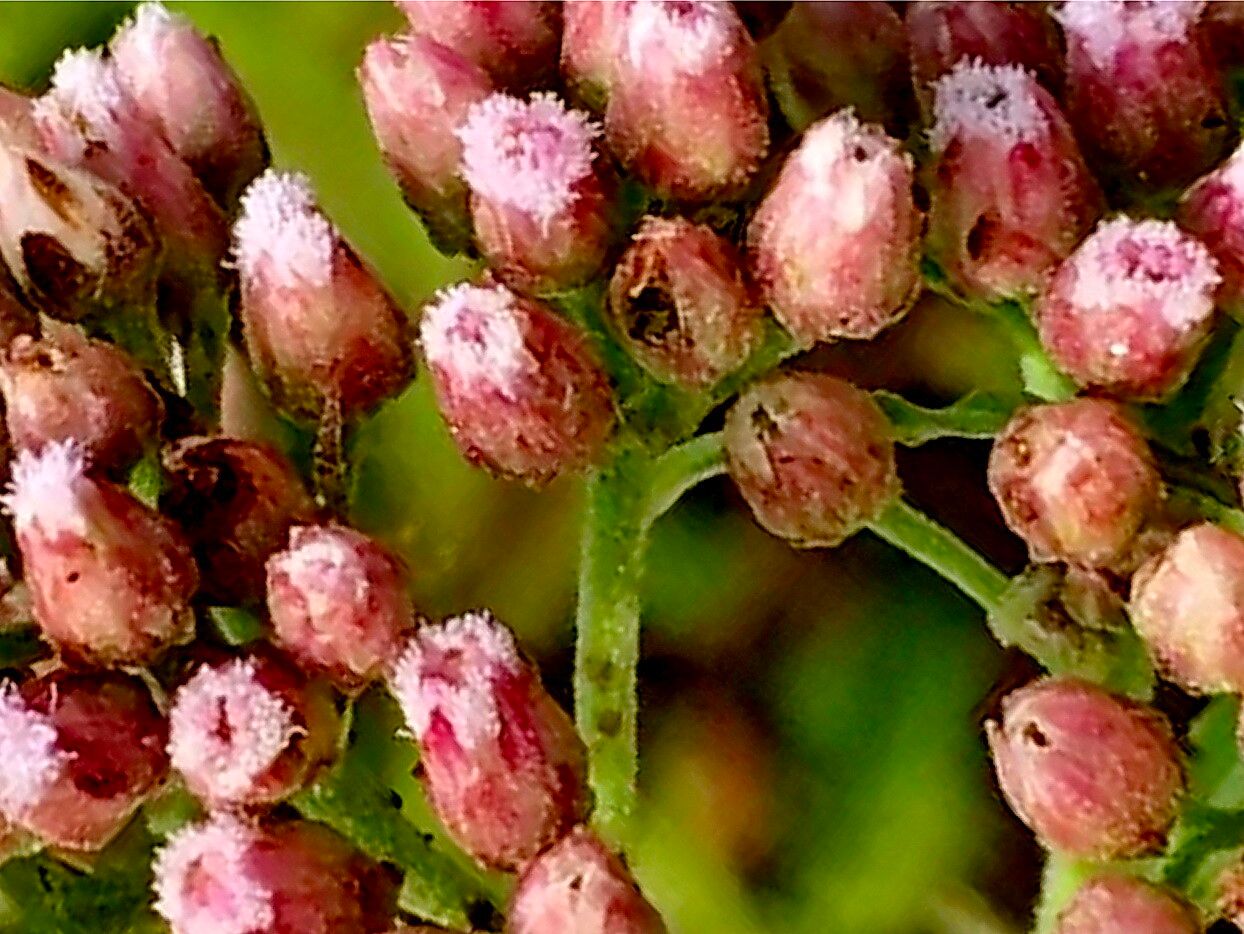
Hello there, fellow garden enthusiasts! I’m so delighted you’re here to talk about one of my favorite, often overlooked, native beauties: Pluchea camphorata, or as many of us affectionately call it, camphorweed. This plant is a true gem for any garden, especially if you’re looking to attract some buzzing and fluttering visitors. Its clusters of delicate, often fragrant, pinkish-purple flowers are a magnet for pollinators, and its aroma is wonderfully earthy. Propagating it is not only a fantastic way to expand your garden without spending a dime, but it’s also incredibly satisfying to watch those little baby plants take hold. And for those of you just starting out? You’ll be happy to know that Pluchea camphorata is generally forgiving, making it a great plant for beginners to try their hand at propagation.
The Best Time to Start
When it comes to getting the best results, timing is everything, isn’t it? For Pluchea camphorata, the sweet spot for propagation is late spring to early summer. This is when the plant is actively growing and has plenty of energy to put into developing new roots. You’ll want to look for healthy, non-flowering stems to take your cuttings from. Sometimes, you can even get away with it in early fall, but the spring and early summer window will give you the highest success rate.
Supplies You’ll Need
To set yourself up for success, having the right tools makes all the difference. Here’s a little list of what I like to have on hand:
- Clean, sharp pruning shears or a sharp knife: Essential for making clean cuts.
- Small pots or seed trays: Whatever you prefer for your cuttings.
- A well-draining potting mix: I like a mix of equal parts peat moss or coco coir, perlite, and a bit of compost.
- Rooting hormone (optional but recommended): This can give your cuttings a helpful boost.
- Plastic bags or a clear plastic dome: To create a humid environment for your cuttings.
- Watering can with a fine rose: For gentle watering.
Propagation Methods
Let’s get our hands a little dirty! Pluchea camphorata is quite obliging when it comes to propagation, and stem cuttings are my go-to method.
Stem Cuttings:
- Select your parent plant: Find a healthy, vigorous Pluchea camphorata that’s not flowering.
- Take your cuttings: Using your clean shears, snip off 6-inch to 8-inch stem sections. Make your cut just below a leaf node (where a leaf attaches to the stem).
- Prepare the cuttings: Gently remove the lower leaves from the bottom half of each cutting. This is important because any leaves that are buried in the soil or water will likely rot. You can leave two or three sets of leaves at the top. If the remaining leaves are quite large, you can even nip them in half to reduce water loss through transpiration.
- Apply rooting hormone (optional): If you’re using rooting hormone, dip the cut end of each stem into the powder or gel, tapping off any excess.
- Plant your cuttings: Make a small hole in your potting mix with a pencil or your finger. Insert the prepared cutting into the hole, ensuring the leaf nodes you removed the leaves from are below the soil surface. Gently firm the soil around the base of the cutting.
- Water and cover: Water thoroughly but gently. Then, cover the pots with a plastic bag, propping it up with sticks so it doesn’t touch the leaves, or place them under a clear plastic dome. This creates a mini-greenhouse, keeping the humidity high, which is crucial for cuttings that can’t yet absorb water through roots.
- Placement: Place the pots in a bright location out of direct sunlight.
The “Secret Sauce” (Pro Tips)
Now, for a few little tricks I’ve picked up over the years that can really help your Pluchea camphorata cuttings thrive:
- Don’t let the leaves touch the water (if you choose water propagation): While some plants do well with leaves submerged, for Pluchea camphorata, it’s a recipe for rot. Keep those leaves high and dry above the water’s surface.
- Bottom heat is your friend: If you have a heat mat designed for seedlings, placing your pots on it can significantly speed up root development. It mimics the warmth of spring soil and gives those root cells a little nudge to get going.
- Be patient with the smell: Pluchea camphorata has a distinctive aroma, and it can be quite strong when you’re handling a lot of it. Don’t be alarmed by the camphor-like scent; it’s characteristic of the plant and a sign of its beneficial properties!
Aftercare & Troubleshooting
Once your cuttings have been planted for a few weeks, you’ll want to start checking for roots. You can gently tug on a cutting; if you feel resistance, you’ve got roots!
Caring for New Plants:
- Gradual acclimatization: Once you see good root development, gradually remove the plastic cover over a few days to help your new plants adjust to normal humidity levels.
- Watering: Keep the soil consistently moist but not waterlogged. As the plants grow stronger, you can begin watering them as you would mature plants.
- Transplanting: Once the new plants are established and have a decent root system, you can transplant them into larger pots or their permanent garden spot.
Troubleshooting:
- Wilting: This is the most common issue. It usually means the cutting isn’t getting enough water or the humidity is too low. Ensure the soil is moist and the plastic cover is in place.
- Rotting: If a cutting turns black and mushy, it’s probably due to overwatering or lack of air circulation. Make sure your soil drains well and remove any rotting pieces immediately.
- No roots after several weeks: Sometimes, cuttings just don’t take. Don’t be discouraged! Try again with fresh cuttings in a different batch of soil or at a slightly different time.
Closing Thoughts
Propagating Pluchea camphorata is a truly rewarding experience. It’s a little bit of patience, a touch of sunshine, and a whole lot of garden magic. Watch those tiny roots emerge, nurture your new plants, and soon you’ll have lovely camphorweed to share or to fill your own garden with its charm and its pollinator-friendly blooms. Happy gardening!
Resource:
https://identify.plantnet.org/k-world-flora/species/Pluchea%20camphorata%20(L.)%20DC./data