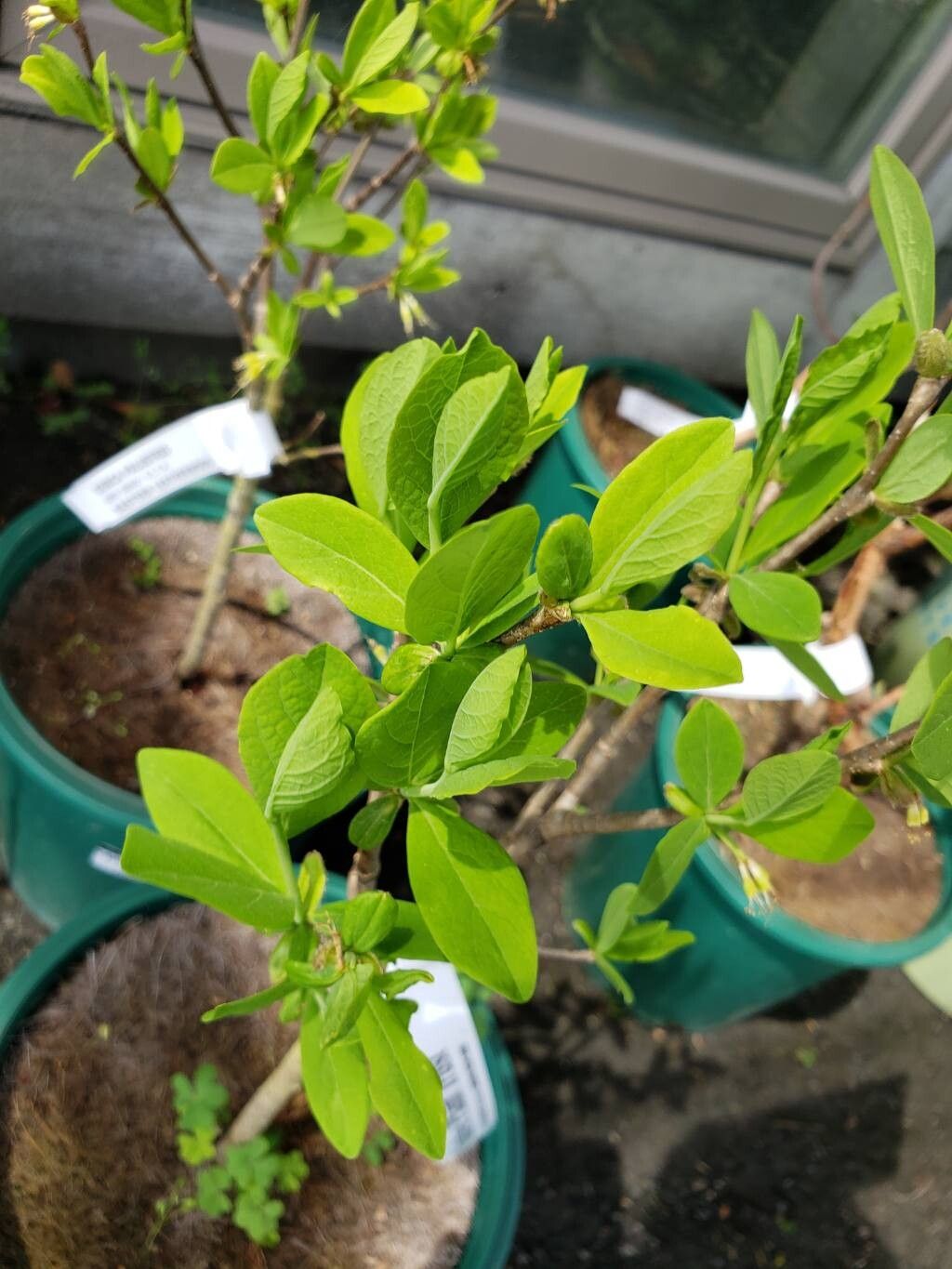
Oh, hello there, fellow garden enthusiast! Today, I want to chat with you about a truly special plant, one that often flies a little under the radar but deserves all the attention: Dirca palustris, also known as Leatherwood. If you’ve ever admired its graceful, flowing branches, delicate early spring flowers, and its incredible toughness, you’re in for a treat. Propagating Leatherwood is a wonderful way to share its beauty, and quite honestly, it’s not as daunting as you might think, even for those just starting to get their hands dirty in the garden.
The Best Time to Start
For the highest success rate with propagating Leatherwood, late spring or early summer is your golden window. This is when the plant is in its active growth phase, and the new stems are flexible yet semi-hardened. Trying to propagate from very soft, brand-new growth can often lead to rot, and from woody, old growth may result in very slow rooting. So, aim for that sweet spot right after it’s through its magnificent floral display and is busy pushing out new shoots.
Supplies You’ll Need
Before we dive into the how-to, let’s gather our tools. Having everything ready makes the process so much smoother.
- Sharp Pruning Shears or a Knife: Clean cuts are crucial.
- Rooting Hormone (Optional but Recommended): A powdery or liquid hormone can give your cuttings a helpful boost.
- Small, Clean Pots or Trays: With drainage holes, of course!
- Well-Draining Potting Mix: I like a blend of peat moss or coco coir, perlite, and a bit of compost. This keeps things light and airy.
- Plastic Bags or a Propagator: To maintain humidity.
- Watering Can or Spray Bottle: For gentle watering.
- Labels: To keep track of what you’ve propagated!
Propagation Methods
Leatherwood can be successfully propagated using a couple of straightforward methods. I find stem cuttings to be my go-to for this plant.
Stem Cuttings:
- Select Your Cuttings: Look for current season’s growth that is flexible but not too soft. You want stems that are about 4-6 inches long.
- Make the Cut: Using your clean shears, take cuttings just below a leaf node (where a leaf attaches to the stem). This is where roots are most likely to form. Remove any flowers or flower buds.
- Prepare the Cuttings: Gently strip off the lower leaves, leaving just a few at the top. This reduces moisture loss.
- Apply Rooting Hormone (Optional): If you’re using rooting hormone, dip the cut end of each stem into the powder or liquid, tapping off any excess.
- Plant Your Cuttings: Fill your pots with your well-draining mix. Make a small hole in the center with a pencil or your finger. Insert the cut end of the stem into the hole, ensuring at least one leaf node is below the surface of the soil. Gently firm the soil around the stem.
- Water Gently: Water thoroughly but carefully, so you don’t dislodge the cuttings.
- Create a Humid Environment: Cover the pots loosely with a plastic bag or place them inside a propagator. This creates a mini-greenhouse effect, keeping humidity high.
The “Secret Sauce” (Pro Tips)
Here are a few little tricks I’ve learned over the years that can make a big difference:
- Don’t Over-Water! This is where most people go wrong, especially with cuttings. It’s much better to have them slightly dry and looking a bit sad than to have them sitting in soggy soil, which is a fast track to rot. Check the moisture by gently poking a finger into the soil. If it feels dry an inch down, then water.
- Bottom Heat is Your Friend. If you have a heating mat for seedlings, place your pots on it. This gentle warmth from below encourages root development, giving those little guys the encouragement they need to get going. It mimics the warmth of the soil in spring.
- Be Patient with the Leaf Node. The magic really happens at that leaf node you buried. Don’t be tempted to pull up a cutting too early to check for roots. You’ll know they’re forming when you see new leaf growth or feel a gentle tug when you very lightly try to move the stem.
Aftercare & Troubleshooting
Once you see signs of new growth – tiny leaves appearing or a little resistance when you gently pull – you’re on the right track!
- Acclimatize: Gradually remove the plastic bag or open the propagator vents more each day over a week or so. This helps your new plant adjust to normal humidity levels.
- Continue Watering: Keep the soil consistently moist but not waterlogged.
- Transplanting: Once the roots have filled the pot and you can see them through the drainage holes, it’s time to transplant your new Leatherwood into its own slightly larger pot or its permanent garden spot.
- Troubleshooting – Rot: The most common issue is rot, which usually looks like mushy, black stems. If you see this, sadly, that cutting is likely lost. Ensure your soil is draining well, and try to be less heavy-handed with the watering.
- Troubleshooting – No Growth: Sometimes, cuttings just don’t take. Don’t be discouraged! It could be a variety of factors, from the cutting itself to environmental conditions. Just try again next season.
Propagating plants is such a rewarding journey. It’s a way to connect with nature, learn patience, and multiply the joy your garden brings. Don’t be afraid to experiment, and remember, the most important ingredient is a bit of hope and a whole lot of love for your plants. Happy propagating!
Resource:
https://identify.plantnet.org/k-world-flora/species/Dirca%20palustris%20L./data