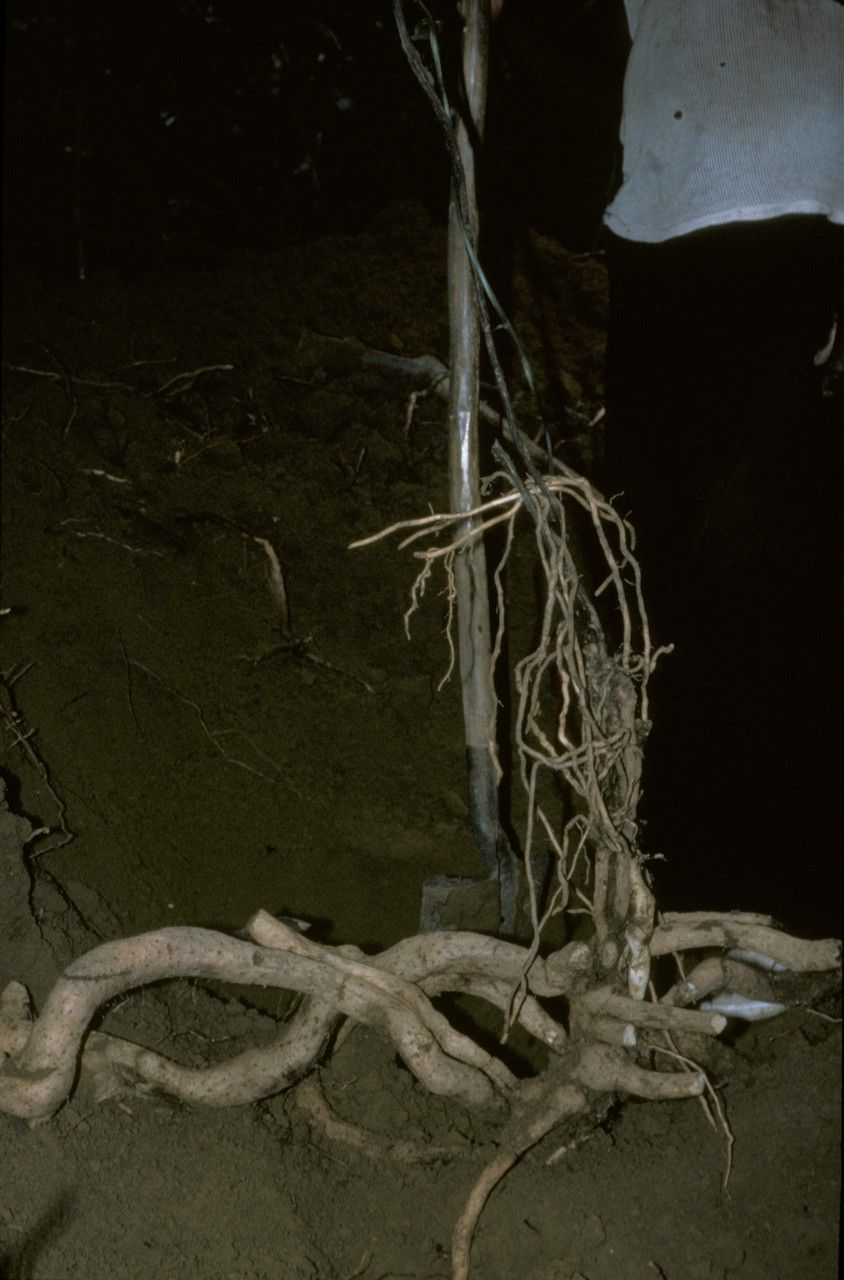
Bringing More “Ginseng” Home: Your Guide to Propagating Dioscorea preussii
Hello fellow plant lovers! I’m so excited to chat with you today about a plant that has truly captured my heart over the years: Dioscorea preussii. You might know it by its common name, Guinea Yam or African Yam, and for good reason! This vigorous vine is a powerhouse, not only for its edible tubers but also for its beautiful, heart-shaped leaves and rambling growth habit. It brings a wonderful tropical vibe to any space it inhabits.
Now, I know some of you might be looking at this and thinking, “Is this going to be tough?” I’ll be honest, Dioscorea preussii can be a bit of a diva sometimes, but with the right approach, propagating it can be incredibly rewarding. Think of it as a satisfying challenge, like coaxing a shy bloom. It’s not the easiest plant for a complete beginner to propagate, but I promise, with a little care and these tips, you’ll be successful.
The Best Time to Start
For Dioscorea preussii, the sweet spot for propagation is definitely during its active growing season. Think spring and early summer. This is when the plant is full of energy and has the best chance of bouncing back after being cut and rooting. Waiting until you see new leaves unfurling or the vine really starting to stretch its legs is a good indicator that it’s ready and raring to go.
Supplies You’ll Need
- Sharp Pruning Shears or a Knife: Cleanliness is key to preventing disease.
- Well-Draining Potting Mix: A blend of peat moss, perlite, and a bit of compost works wonders. I often use about a 2:1:1 ratio.
- Small Pots or Seedling Trays: Something with drainage holes is essential.
- Rooting Hormone (Optional but Recommended): A powder or gel can really give your cuttings a boost.
- Clear Plastic Bag or Humidity Dome: To create a mini-greenhouse for your cuttings.
- Watering Can with a Fine Rose: For gentle watering.
- A Sunny Window or Grow Lights: Your new babies will need light!
Propagation Methods: Let’s Get Growing!
The most reliable way I’ve found to propagate Dioscorea preussii is through stem cuttings. It’s straightforward and yields great results.
Here’s how I do it:
- Select Your Cutting: Look for a healthy, mature stem on your Dioscorea preussii. You want a piece that has at least two or three nodes. Nodes are those little bumps on the stem where leaves emerge. They are crucial because that’s where roots will form. Aim for a cutting that’s about 4-6 inches long. Don’t choose the very tip of a new, flimsy shoot, nor the thickest, most woody part of an old stem. Find that happy medium.
- Make the Cut: Using your clean shears or knife, make a clean cut just below a node. This is where the magic happens.
- Prepare the Cutting: Gently remove the leaves from the bottom node, leaving just one or two at the top. This prevents them from rotting when they’re in the soil. If the remaining leaves are very large, you can even cut them in half to reduce water loss.
- Apply Rooting Hormone (Optional): Dip the cut end of the stem into your rooting hormone. Just a light coating is needed. Tap off any excess.
- Plant Your Cutting: Fill your small pot with your well-draining mix. Make a small hole with your finger or a pencil. Insert the cut end of your Dioscorea preussii cutting into the hole, ensuring at least one node is buried in the soil. Gently firm the soil around the stem.
The “Secret Sauce” (Pro Tips)
Here are a few things I’ve learned over the years that really make a difference:
- Don’t Drown Them: When you water, water thoroughly but then let the soil dry out slightly between waterings. Soggy soil is the quickest way to rot your cuttings. A good rule of thumb is to water only when the top inch of soil feels dry to the touch.
- The Power of Humidity: Covering your potted cuttings with a clear plastic bag or placing them under a humidity dome is your best friend. This creates a humid environment that helps prevent the cutting from drying out while it’s working on developing roots. Make sure the leaves aren’t touching the plastic. You can prop it up with a few small sticks if needed.
- Bottom Heat is Brilliant: If you have a heat mat specifically for plants, using it under your pots can significantly speed up the rooting process for Dioscorea preussii. It mimics the warmth of spring and signals to the plant that it’s time to get busy!
Aftercare & Troubleshooting
Once you’ve got your Dioscorea preussii cuttings potted up, place them in a bright location, but avoid direct, hot sun, especially in the beginning. If you’re using the plastic bag method, open it up for a few hours each day to allow for some air circulation and prevent fungal issues.
You’ll know your cutting is happy and has rooted when you see new leaf growth at the top! It might take anywhere from a few weeks to a couple of months, so don’t get discouraged if you don’t see immediate results.
The most common problem you might encounter is rot. If your cutting starts to look mushy, black, or limp, it’s likely succumbing to rot. This is usually due to too much moisture and poor air circulation. If you catch it early, you might be able to salvage it by trimming away the rotted parts and repotting in fresh, drier soil, but sadly, often once rot sets in, it’s too late.
A Little Patience, A Lot of Joy
Propagating Dioscorea preussii is a journey. There will be moments of anticipation, and maybe a little bit of waiting. But the joy of seeing a tiny cutting transform into a vibrant new plant is truly incomparable. Keep experimenting, keep nurturing, and enjoy the process of bringing more of these beautiful plants into your life. Happy gardening!
Resource:
https://identify.plantnet.org/k-world-flora/species/Dioscorea%20preussii%20Pax/data