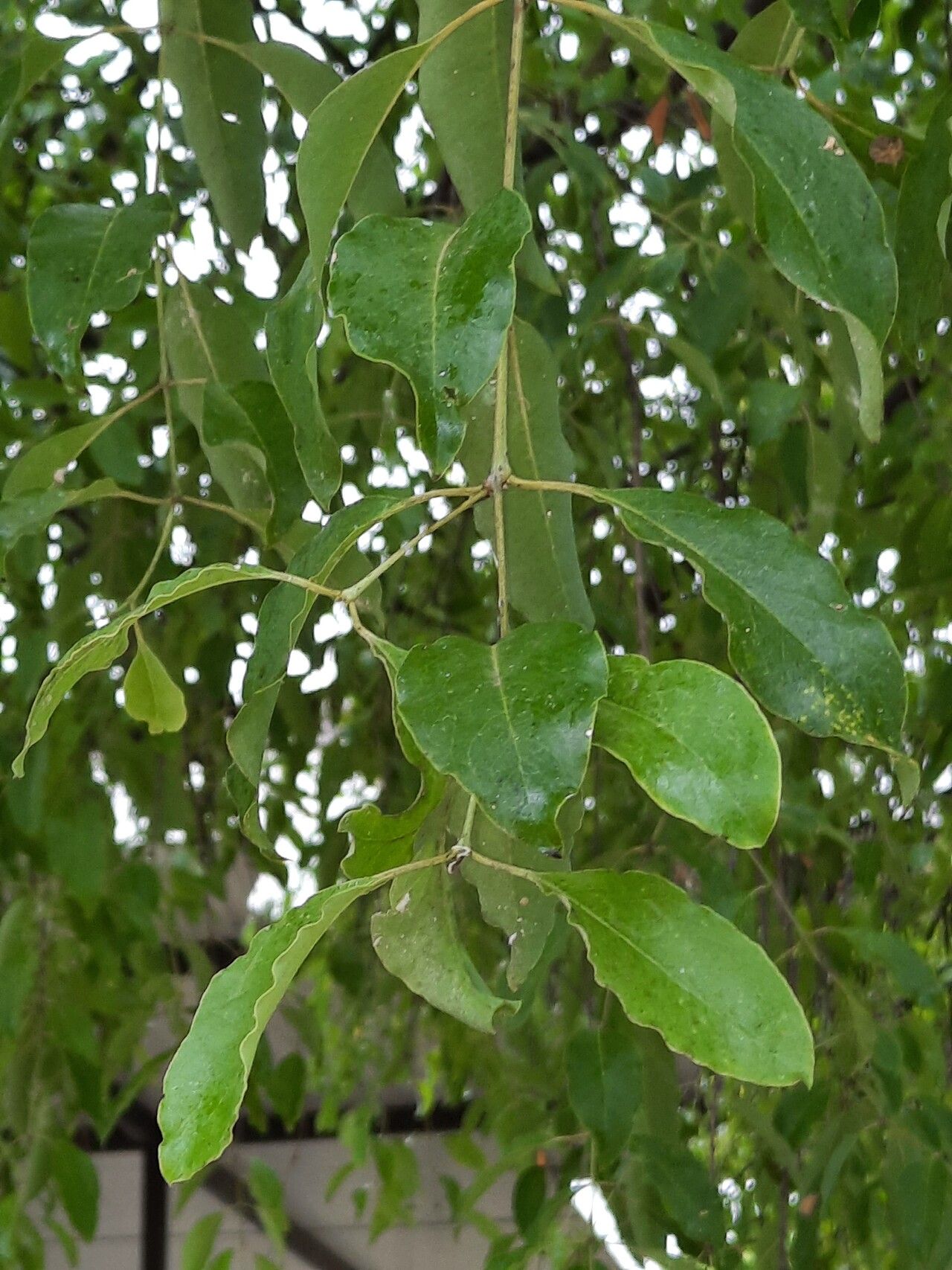
Oh, Santalum album! Isn’t it just a treasure? That exquisite fragrance, borne by leaves that shimmer in the sunlight – it’s no wonder so many of us are captivated by this beautiful tree. And the thought of bringing new life into your garden, of nurturing your very own sandalwood plant from a tiny cutting? Pure gardening joy! Now, I’ll be honest, for absolute beginners, sandalwood can be a bit of a sensitive soul. It’s not quite as forgiving as a common basil, but with a little know-how and a lot of patience, you absolutely can succeed.
The Best Time to Start
When it comes to coaxing sandalwood to branch out, think late spring to mid-summer. This is when the plant is actively growing, energized by longer days and warmer temperatures. Look for new, semi-hardwood growth. You want stems that aren’t too soft and floppy, nor too woody and brittle. They should feel firm when you gently bend them. This “in-between” stage is often the sweet spot for cuttings to root successfully.
Supplies You’ll Need
Gathering your tools beforehand makes the whole process so much smoother. Here’s what I usually have on hand:
- Sharp, sterile pruning shears or a clean knife: Essential for clean cuts that heal well.
- Rooting hormone powder or gel: This is your best friend for encouraging root development.
- A well-draining potting mix: I like a blend of equal parts perlite, peat moss, and a touch of compost. Some gardeners swear by coarse sand mixed with peat.
- Small pots or propagation trays: Clean, of course! Small ones are better as they don’t hold too much moisture.
- Plastic bags or a clear plastic dome: To create a humid environment for your cuttings.
- A spray bottle: For misting.
- Labels and a marker: Don’t forget to label your efforts!
Propagation Methods
While sandalwood can be fussy, stem cuttings are generally your go-to method for successful propagation.
Stem Cuttings
- Take Your Cuttings: Using your sharp, sterile shears, select healthy stems that are about 4-6 inches long. Make your cut just below a leaf node (where the leaves attach to the stem).
- Prepare the Cuttings: Gently strip off the lower leaves, leaving just a few at the top. This prevents them from rotting when buried. If the leaves are very large, I often trim them in half to reduce water loss.
- Apply Rooting Hormone: Dip the cut end of each stem into your rooting hormone. Tap off any excess.
- Plant Your Cuttings: Fill your small pots or trays with your well-draining mix. Make a small hole with a pencil or your finger. Insert the cut end of the sandalwood cutting into the hole and firm the soil gently around it.
- Provide Humidity: Water lightly to settle the soil. Then, cover the pots with a plastic bag, secured with a rubber band, or place them under a clear dome. You want to create a mini-greenhouse effect.
The “Secret Sauce” (Pro Tips)
Now, for a couple of things I’ve learned over the years that really make a difference:
- Gentle Bottom Heat: Sandalwood cuttings often love a little warmth from below to encourage root formation. A heat mat specifically designed for propagation can be a game-changer. It mimics the warmth of the soil being heated by the sun.
- Patience with Watering: This is crucial. Overwatering is the quickest way to lose a sandalwood cutting. The soil should be consistently moist, but never soggy. Check the moisture by gently pressing the soil. If it feels dry, give it a light misting or a gentle watering. If it feels wet, wait. And when you do water, try to do so from the bottom of the pot if possible, to avoid disturbing the delicate cuttings.
Aftercare & Troubleshooting
Once your cuttings have been planted, place them in a bright location but out of direct sunlight. The sun can scorch those tender leaves through the plastic. Keep an eye on the humidity inside the bag. If you see a lot of condensation, open the bag for a few hours to allow for some air circulation.
You’ll know your cuttings are rooting when you see tiny new leaf growth or feel a gentle tug when you very carefully try to wiggle a cutting (don’t pull it out!). This usually takes anywhere from 6 weeks to a few months.
The most common sign of trouble is rot. If the stem turns mushy and black, it’s likely gone. This is usually a sign of too much moisture and not enough air circulation. If you spot this, unfortunately, it’s best to discard that particular cutting. Don’t get discouraged; learn from it and try again.
A Encouraging Closing
Propagating sandalwood might take a little more attention than a quick-growing annual, but the reward of nurturing such a special plant is immeasurable. Be patient with your little cuttings. Celebrate every tiny sign of new growth. Enjoy the process, the observation, and the connection you build with your plants. Happy propagating!
Resource:
https://identify.plantnet.org/k-world-flora/species/Santalum%20album%20L./data