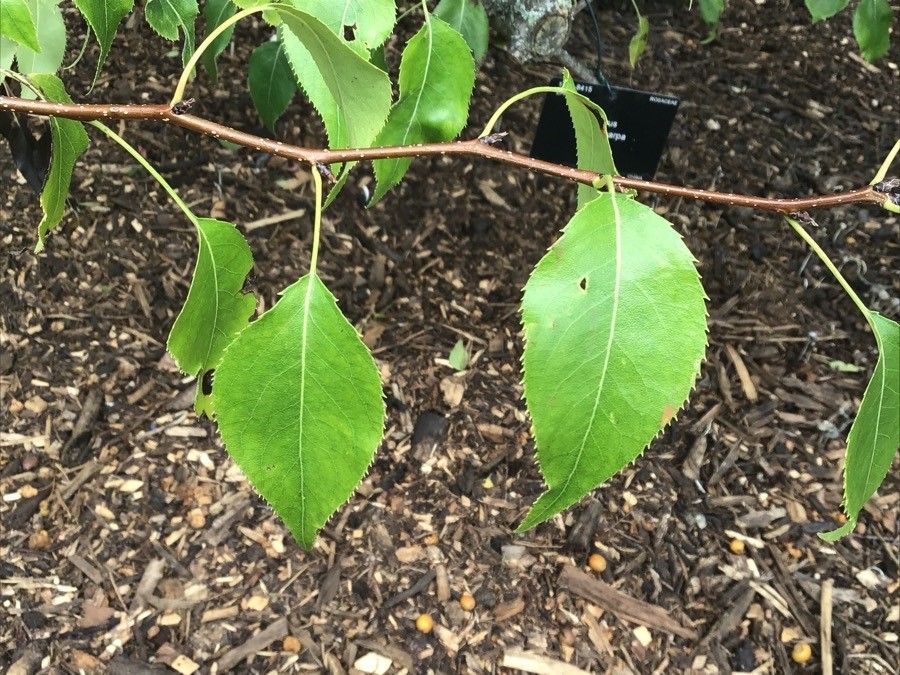
Hello fellow plant enthusiasts! I’m so glad you’ve stopped by today. We’re going to dive into propagating Pyrus phaeocarpa, also known as the Chinese Pear or Plum-leaf Pear. If you’re drawn to its delicate beauty and the promise of future fruit, you’re in for a treat. The satisfaction of growing your own tree from a tiny cutting is truly something special. Now, is it a breeze for a total beginner? Honestly, it can be a little challenging, but with a good dose of patience and a few key techniques, you’ll be well on your way.
The Best Time to Start
For Pyrus phaeocarpa, the sweet spot for propagation is when the plant is actively growing, which means late spring to early summer. This is when the new growth is soft and pliable, making it ideal for taking cuttings. You’re looking for stems that have started to harden up a bit, but aren’t fully woody yet. Think of it as “semi-hardwood” – that’s your golden ticket for the highest success rate.
Supplies You’ll Need
Gathering your tools before you start is key to a smooth operation. Here’s what I recommend:
- Sharp Pruning Shears or a Knife: Cleanliness is crucial to prevent disease.
- Rooting Hormone: A good quality powder or gel will significantly boost your chances.
- Potting Mix: A well-draining mix is essential. I like a blend of peat moss, perlite, and a bit of coarse sand.
- Small Pots or Trays: Clean containers with drainage holes are a must.
- Plastic Bags or a Propagator: To create a humid environment.
- Watering Can or Spray Bottle: For gentle watering.
- Labels: So you don’t forget what you’ve planted!
Propagation Methods
We’ll focus on the most reliable method for Pyrus phaeocarpa: stem cuttings.
- Take Your Cuttings: In late spring or early summer, select healthy, vigorous stems from your parent plant. Look for stems that are about pencil-thick and have made this year’s growth. Using your clean shears, cut sections that are 6-8 inches long. Make the cut just below a leaf node (where a leaf attaches to the stem).
- Prepare the Cuttings: Gently remove the lower leaves from your cuttings. You want to leave just a few leaves at the top. If the remaining leaves are very large, you can snip them in half horizontally to reduce water loss.
- Apply Rooting Hormone: Dip the cut end of each stem into your rooting hormone. Tap off any excess.
- Plant Your Cuttings: Fill your pots with your prepared potting mix. Make a hole in the center with your finger or a pencil. Insert the prepared cutting into the hole, ensuring the rooting hormone-coated end is well-covered by the soil. Gently firm the soil around the stem.
- Create a Humid Environment: Water the soil gently. Then, cover the pot with a clear plastic bag or place it in a propagator. This traps humidity, which is vital for cuttings that can’t yet absorb water through roots. Make sure the bag doesn’t touch the leaves excessively.
The “Secret Sauce” (Pro Tips)
Here are a couple of my go-to tricks that have made all the difference for me:
- Bottom Heat is Your Friend: If you can, place your pots on a heated propagator mat or near a sunny windowsill where they get gentle warmth from below. Roots love to grow into warmth, and this can dramatically speed up the process.
- Keep It Clean, Keep It Moist (But Not Soggy!): Regularly check the moisture level of your soil. It should always feel damp, like a well-wrung-out sponge, but never waterlogged. Overwatering is the fastest way to encourage rot. I often give my cuttings a light misting with a spray bottle if the humidity seems to be dropping inside the bag.
- Don’t Despair Silently: If you have a batch of cuttings and only one or two sprout roots, that’s normal! Not every cutting will make it, and that’s okay. Think of it as a learning experience and celebrate the successes.
Aftercare & Troubleshooting
Once you start to see signs of new leaf growth, or feel a slight resistance when gently tugging on a cutting, you’re likely to have roots! This is a thrilling moment.
First, gradually acclimate your newly rooted cuttings to ambient humidity. Start by opening the plastic bag a little each day for a week or so. Once they seem happy in the open air, they’re ready for a bigger pot. Water them gently and place them in a bright spot, but avoid direct, scorching sun for the first few weeks. Continue to keep them consistently moist.
The most common issue you might encounter is rot. This usually happens if the soil is too wet and there isn’t enough air circulation. If you see a cutting turning black and mushy, sadly, it’s usually a lost cause. Remove it immediately to prevent it from affecting others. Another sign of failure is if the cutting simply wilts and never shows signs of rooting – it might be too dry, the rooting hormone wasn’t effective, or the conditions just weren’t quite right.
A Little Patience Goes a Long Way
Propagating Pyrus phaeocarpa is a wonderfully rewarding journey. It takes time, a bit of observation, and a willingness to learn. Don’t get discouraged if your first attempt isn’t perfect. Each cutting you try, each little sprout you nurture, brings you closer to understanding your plant and growing your own beautiful pear trees. Happy gardening!
Resource:
https://identify.plantnet.org/k-world-flora/species/Pyrus%20phaeocarpa%20Rehder/data