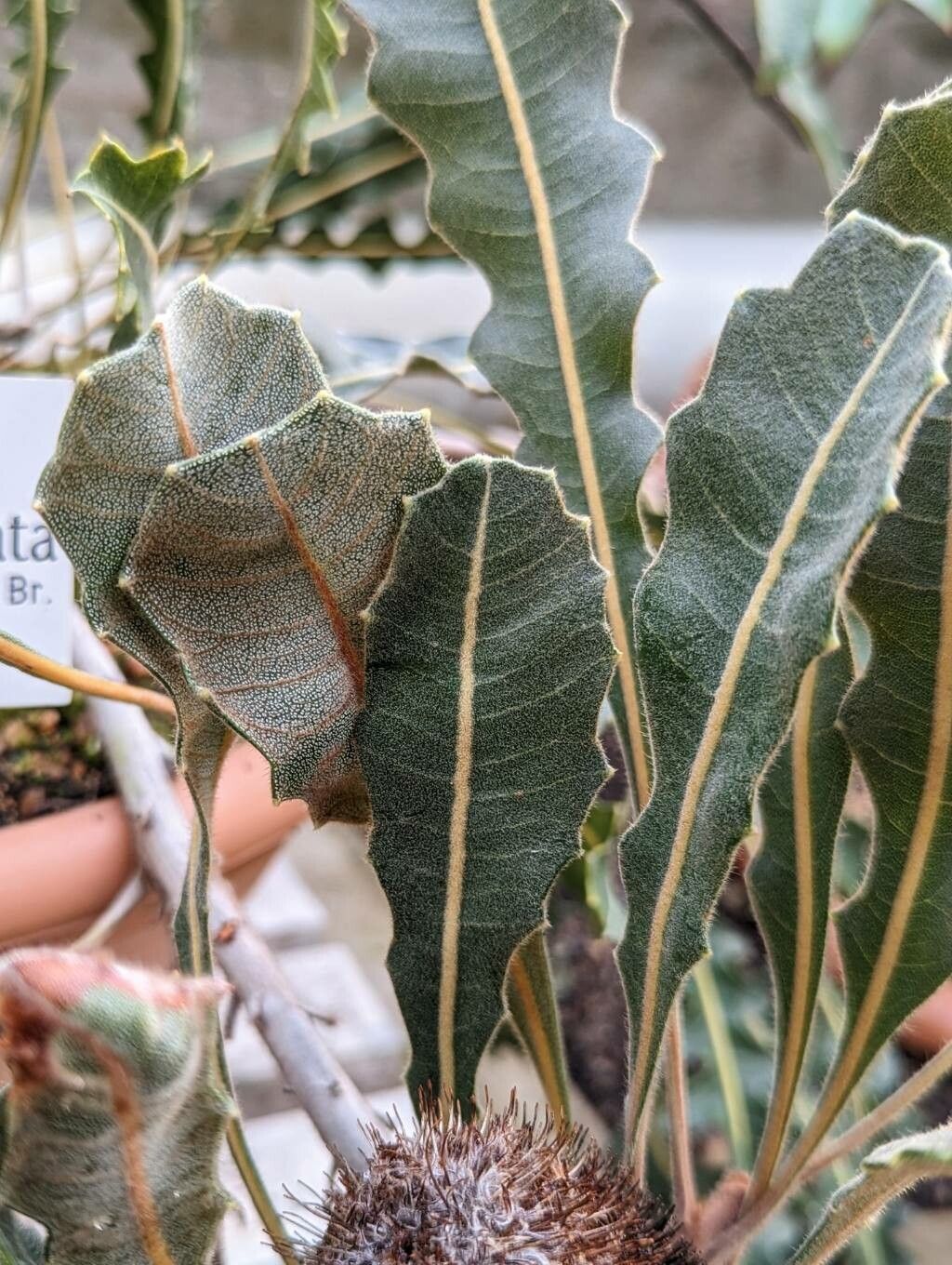
Oh, Banksia gardneri! What a gem. I remember the first time I saw its fuzzy, honey-colored flower spikes unfurl in my garden. It’s just one of those plants that captures your heart with its unique beauty and the promise of delicious nectar for our local pollinators. If you’ve ever admired this stunning Australian native and thought, “I wish I had more of those!”, then you’re in luck. Propagating Banksia gardneri is a truly rewarding experience. Now, I won’t sugarcoat it – it can be a bit finicky, especially for absolute beginners, but with a little know-how and patience, you can absolutely achieve success.
The Best Time to Start
For Banksia gardneri, you’ll have the best luck starting from cuttings in late spring or early summer. This is when the plant is actively growing, and the stems have a good balance of maturity and flexibility. Think of it as the “sweet spot” for cuttings – not too soft and prone to rot, and not too woody to struggle with rooting. Aim for stems that are semi-hardwood, meaning they’re firm but still have a bit of give when you bend them.
Supplies You’ll Need
Gathering your supplies before you begin will make the whole process much smoother. Here’s what you’ll want:
- Sharp, clean pruning shears or secateurs: For taking precise cuts without damaging the stems.
- A well-draining potting mix: I like to use a mix specifically designed for native plants or create my own by combining coarse river sand, perlite, and a little compost. Drainage is key here!
- Rooting hormone powder or gel: This isn’t strictly essential for all plants, but it really gives your cuttings a boost and increases your success rate with Banksias.
- Small pots or trays: Clean pots with drainage holes are a must.
- A clear plastic bag or propagator lid: To create a humid environment for your cuttings.
- Perlite or coarse sand: For covering the top of the potting mix to prevent damping off.
- A gentle watering can or spray bottle: For watering without disturbing the cuttings.
Propagation Methods: Stem Cuttings
This is generally the most successful method for Banksia gardneri. Here’s how I do it:
- Take Your Cuttings: In the morning, when the plant is turgid with moisture, select healthy, non-flowering shoots. Using your sharp secateurs, make a clean cut just below a leaf node (the point where a leaf attaches to the stem). You want cuttings that are about 10-15 cm long.
- Prepare the Cuttings: Gently remove the leaves from the bottom half of each cutting. If you have larger leaves, you can even prune them in half to reduce water loss.
- Apply Rooting Hormone: Dip the cut end of each prepared cutting into your rooting hormone powder or gel, tapping off any excess.
- Plant the Cuttings: Fill your clean pots with your well-draining potting mix. Make a small hole in the center of the mix with a pencil or your finger. Gently insert the cutting into this hole, ensuring the rooting hormone stays on the cut end. Firm the mix gently around the base of the cutting.
- Cover and Water: Water your cuttings thoroughly using your gentle watering can or spray bottle, making sure the water reaches the rooting hormone. Once watered, cover the pots with a clear plastic bag or propagator lid to maintain high humidity. You can pop a few bamboo skewers in the pot to keep the plastic from touching the leaves.
The “Secret Sauce” (Pro Tips)
These little tricks are what I’ve learned over the years from trial and error, and they truly make a difference.
- Bottom Heat is Your Friend: Banksias really benefit from a little warmth from below. If you have a heated propagator mat, use it! An unheated greenhouse can also work, but bottom heat will significantly speed up root development.
- Don’t Drown Them! While humidity is essential, waterlogged soil is the enemy. Ensure your pots have excellent drainage and that the rooting medium doesn’t remain soggy. I often amend my potting mix with a generous amount of perlite to help with this.
- Patience and Observation: This is probably the most crucial tip. Banksias can be slow to root. Don’t despair if you don’t see any new growth for weeks. Check for signs of rooting by very gently tugging on a cutting – if there’s resistance, you’re likely getting roots.
Aftercare & Troubleshooting
Once you start to see tiny roots emerging (usually indicated by new leaf growth or a gentle tug on the cutting), it’s time to start acclimatizing your new Banksia.
- Gradual Acclimation: Slowly reduce the humidity over a week or two by opening the plastic bag or propagator lid for longer periods each day. This helps the young plant adjust to normal air conditions.
- Continued Watering: Keep the soil consistently moist but not waterlogged. Water when the top inch of soil feels dry to the touch.
- Light Requirements: Place your developing cuttings in a bright spot with indirect light. Avoid direct, scorching sun, which can quickly dehydrate tender new growth.
Now, what if things don’t go as planned? The most common issue you’ll face is rot. This usually happens when the soil is too wet and there isn’t enough air circulation. If you see your cutting turning black and mushy, unfortunately, it’s likely too late for that one. Don’t be discouraged! Just remove the affected cutting, ensure your remaining ones have better drainage, and adjust your watering. Another sign of struggle can be wilting, which often indicates dehydration or poor rooting.
A Encouraging Closing
Propagating Banksia gardneri is a journey, and like any good journey, it teaches you a lot. Be patient with yourself and your little cuttings. Celebrate every tiny success, learn from every setback, and before you know it, you’ll have a lovely collection of these magnificent plants gracing your garden. Happy growing!
Resource:
https://identify.plantnet.org/k-world-flora/species/Banksia%20gardneri%20A.S.George/data