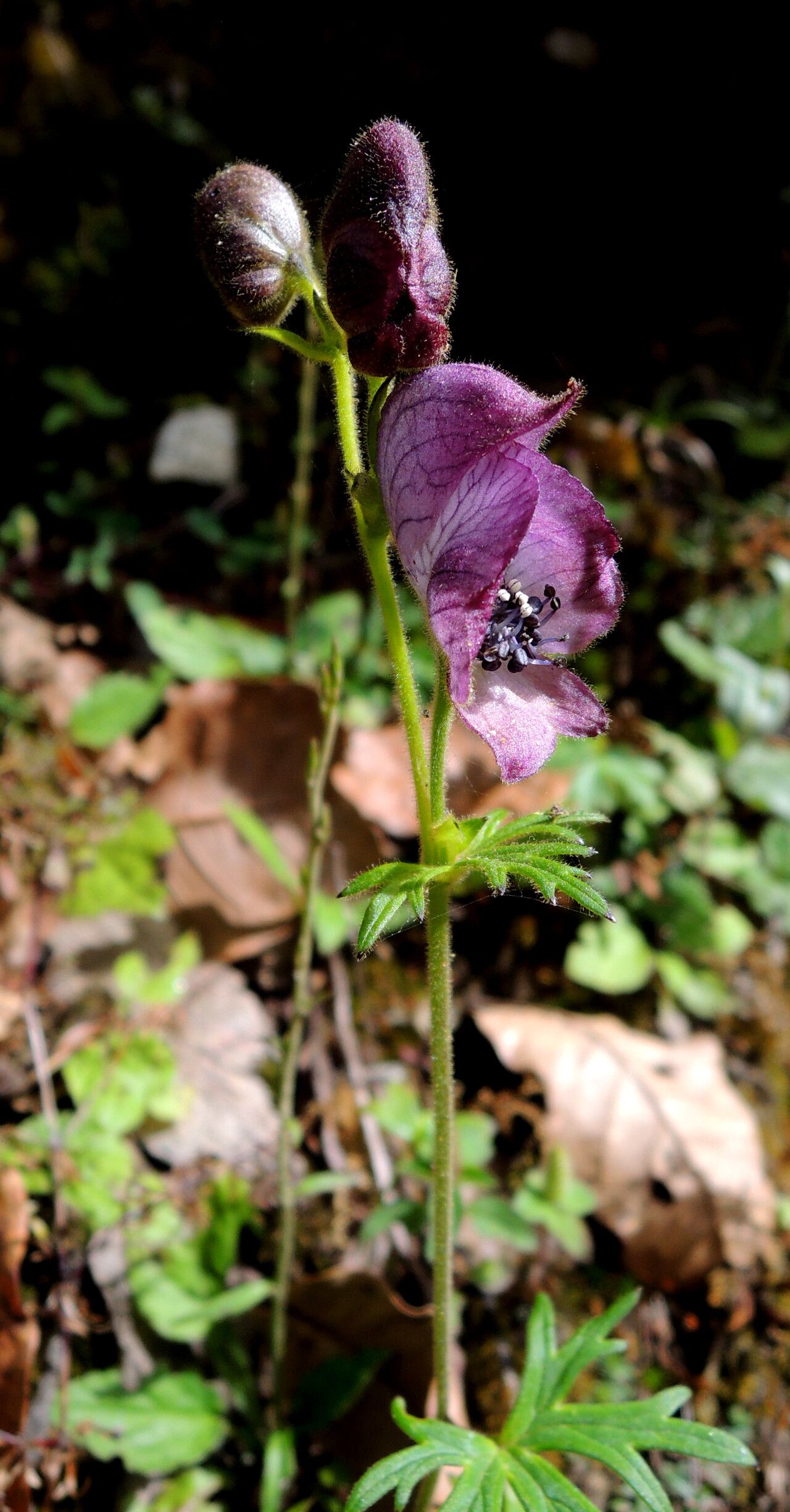
Hello there, fellow garden lovers! I’m so glad you’ve stopped by. Today, we’re diving into the wonderful world of propagating Aconitum poluninii, also known as the beautiful Monkshood. If you’re captivated by its striking hooded blooms and elegant foliage, you’re in for a treat! Growing new plants from your existing ones is one of the most satisfying aspects of gardening, and while Monkshood can be a bit particular, it’s definitely an achievable project. Don’t let that deter you; with a little care and attention, you’ll be rewarded with more of these stunning beauties.
The Best Time to Start
For Aconitum poluninii, I find the sweet spot for propagation is late spring to early summer. This is when the plant is actively growing and has plenty of energy to put into developing new roots. If you’re dividing a mature plant, the ideal time is early spring, just as the new growth begins to emerge. This gives the divisions a full growing season to establish themselves.
Supplies You’ll Need
Gathering your tools beforehand makes the whole process much smoother. Here’s what I usually have on hand:
- Sharp, clean pruning shears or a sharp knife: For taking cuttings and dividing.
- Potting mix: A well-draining mix is crucial. I like to use a blend of perlite and seed-starting mix, or a quality potting soil with added perlite to ensure good aeration.
- Small pots or trays: Clean pots are a must to prevent disease.
- Rooting hormone (optional but helpful): Particularly for stem cuttings, this can give your new plants a boost.
- Watering can or spray bottle: For gentle watering.
- Labels or plant tags: To keep track of what you’ve planted and when.
Propagation Methods
There are a couple of ways we can coax new Monkshood plants into existence. My preferred methods are division and stem cuttings.
Division (My Go-To for Established Plants)
This is often the easiest and most successful method for Aconitum poluninii.
- Dig Carefully: In early spring, when you see the first signs of life, gently dig around the base of your mature Monkshood plant. Try to lift the entire root ball.
- Inspect the Roots: Gently shake off excess soil. You’ll see the plant has a crown from which new shoots emerge. Look for natural divisions in the root system.
- Separate: Using your hands or a sharp knife, carefully split the root ball into sections. Each section should have at least one healthy shoot and a good portion of the root system. Avoid forcing the separation; if it feels too tight, make a clean cut.
- Replant: Immediately plant your divisions into their new homes. Use your well-draining potting mix and water them in well.
Stem Cuttings (A Little More Patience Needed)
This method is best undertaken in late spring or early summer.
- Select Healthy Stems: Look for non-flowering, healthy stems that are about 4-6 inches long. Make a cut just below a leaf node (where a leaf attaches to the stem).
- Prepare the Cuttings: Remove the lower leaves, leaving just one or two at the top. If the leaves are very large, you can even cut them in half to reduce water loss.
- Apply Rooting Hormone (Optional): Dip the cut end into a rooting hormone powder if you’re using it.
- Plant the Cuttings: Insert the cut end into a pot filled with your moist, well-draining potting mix. You can plant several cuttings in one pot, ensuring they don’t touch each other.
- Create a Humid Environment: Gently water the soil. I like to cover the pot with a clear plastic bag or a propagator lid to create a mini-greenhouse effect. Make sure the leaves do not touch the plastic. Open it for a few minutes each day to allow for air circulation and prevent mold.
The “Secret Sauce” (Pro Tips)
Here are a couple of things I’ve learned over the years that can really make a difference:
- Don’t Overwater: This is crucial for Monkshood. They hate soggy feet! Ensure your soil is consistently moist but not waterlogged. Overwatering is a fast track to rot, especially with cuttings.
- Bottom Heat for Cuttings: If you’re having trouble with stem cuttings, try placing the pot on a gentle heat mat. This warmth can encourage root development from below and significantly increase your success rate. Just make sure it’s not too hot – a gentle warmth is all you need.
Aftercare & Troubleshooting
Once your divisions are planted or your cuttings have rooted, it’s time for a little TLC.
- Watering: Keep the new plants consistently moist. As they establish, you can gradually lessen the frequency of watering, allowing the top inch of soil to dry out between waterings.
- Light: Place your new plants in a spot that receives bright, indirect light. Avoid harsh, direct sun, which can scorch delicate new growth.
- Signs of Failure: The most common issue is rot. If you see wilting that doesn’t improve with watering, or a mushy, discolored stem base, it’s likely rot. This often stems from too much moisture. In such cases, unfortunately, the plant is usually unsalvageable. If your cuttings shrivel up and die, it might mean they didn’t get enough moisture or humidity, or perhaps the conditions weren’t right for root development.
A Little Patience Goes a Long Way
Propagating Aconitum poluninii might take a little patience, but seeing those little roots emerge and eventually grow into robust plants is incredibly rewarding. Don’t be discouraged if your first attempt isn’t perfect; every gardener learns through trial and error. Enjoy the process, celebrate your successes, and happy gardening!
Resource:
https://identify.plantnet.org/k-world-flora/species/Aconitum%20poluninii%20Lauener/data