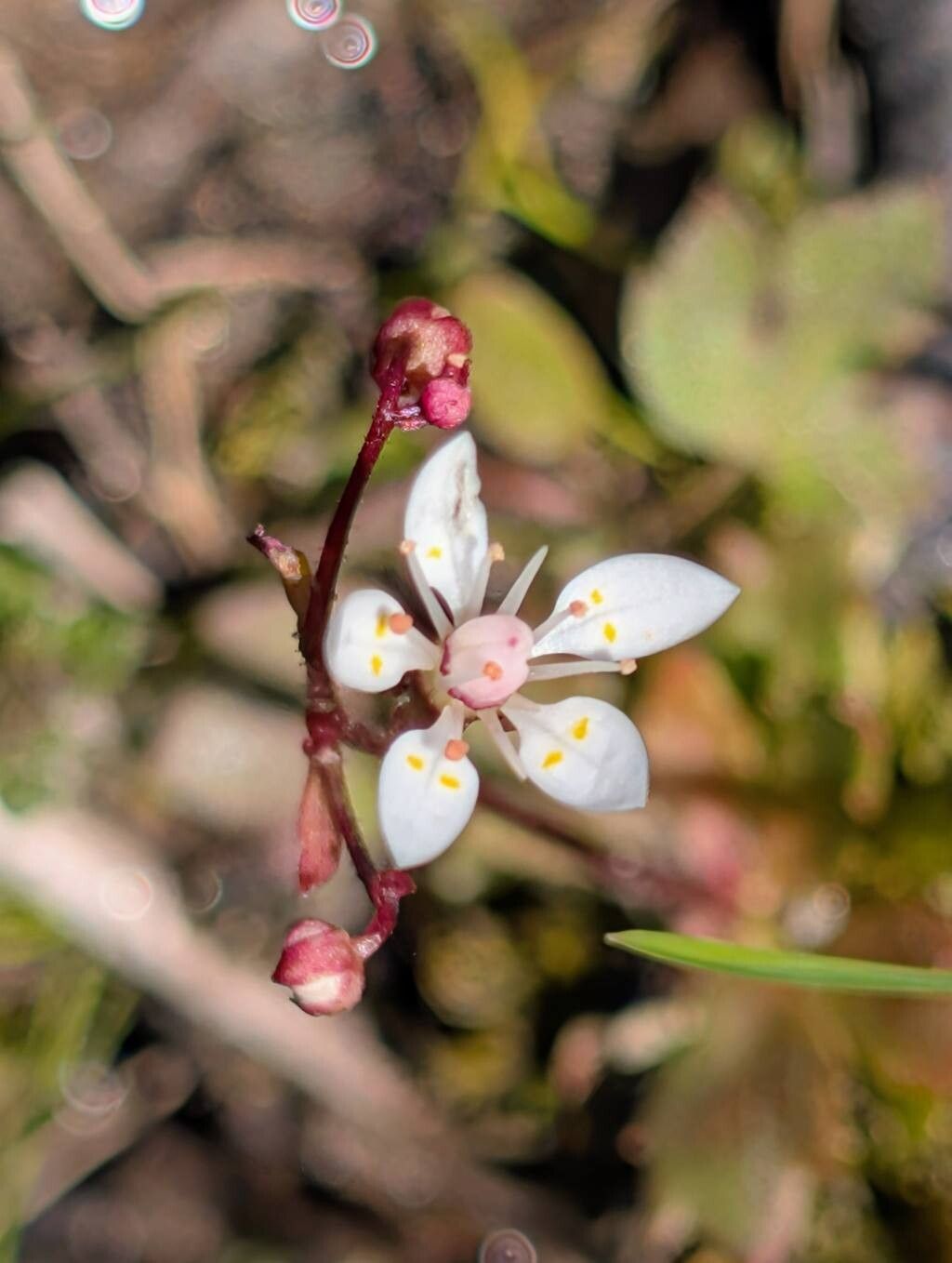
Hello there, garden friends! Today, we’re diving into the wonderful world of propagating Micranthes stellaris. If you’ve ever admired its starry, delicate blooms and wondered how to get more of these beauties for your own patch, you’re in the right place. I’ve been nurturing plants for two decades, and I can tell you, the joy of seeing a tiny cutting unfurl its first leaves is something truly special. Micranthes stellaris, also known as marsh saxifrage, is a charming native plant that adds a touch of wild beauty to damp garden spots. The good news? Propagating it is generally quite forgiving, making it a rewarding project for both seasoned gardeners and those just starting their green journey.
The Best Time to Start
For the highest success rate with Micranthes stellaris, you want to divide or take basal cuttings in early spring. This is when the plant is waking up from its winter rest and has plenty of energy to push out new growth. Waiting until the weather has reliably warmed up, but before the heat of summer truly sets in, is your golden ticket.
Supplies You’ll Need
Gathering your tools beforehand makes the whole process smooth sailing. Here’s what I recommend having on hand:
- Sharp, clean pruning shears or a small knife: For making clean cuts that heal well.
- Potting mix for propagation: A well-draining mix is crucial. I often use a blend of peat moss, perlite, and a bit of compost. You can also find specialized seed starting or propagation mixes.
- Small pots or trays: Clean ones, of course! Seedling pots or even repurposed yogurt containers with drainage holes work perfectly.
- Perlite or vermiculite: To improve drainage and aeration in your soil mix.
- Rooting hormone (optional but helpful): Especially if you’re taking basal cuttings. It gives them a little boost!
- Watering can with a fine rose or spray bottle: Gentle watering prevents disturbing delicate seedlings.
- Labels and a marker: To keep track of what you’ve planted where!
Propagation Methods
Micranthes stellaris is best propagated through division or by taking basal cuttings.
Division: This is my preferred method for Micranthes stellaris as it’s very effective.
- Gently excavate the parent plant: Carefully dig around the base of the Micranthes stellaris, lifting the entire clump from the soil. Try to keep the root ball as intact as possible.
- Examine the root ball: You’ll notice clumps of new growth at the base, often with their own developing roots.
- Separate the divisions: Using your hands or a clean knife, gently pull or cut apart the root ball into smaller sections. Each section should have at least a few leaves and some healthy roots. Don’t worry if some roots break; the plant is resilient.
- Pot up the divisions: Fill your small pots with your chosen propagation mix. Make a small “well” in the center of each pot and place a division in it, ensuring the roots are spread out.
- Bury the roots and firm the soil: Cover the roots with soil and gently press down to make good contact.
- Water thoroughly: Water gently until you see water draining from the bottom of the pot.
Basal Cuttings: This method is slightly more involved but can yield great results, especially if you want to increase your stock quickly.
- Select healthy shoots: Look for young, non-flowering shoots emerging from the base of the plant in early spring.
- Make a clean cut: Using your sharpest shears or knife, cut the shoot just at the soil line, making sure to get a small piece of the fleshy crown or rhizome attached. This is where the “secret sauce” really comes into play!
- Prepare the cutting: Remove any lower leaves that might rot when buried. If your cutting has a bit of root attached, that’s a bonus!
- Apply rooting hormone (optional): Dip the cut end of the shoot into rooting hormone, tapping off any excess.
- Plant the cutting: Fill a pot with your propagation mix and make a small hole. Insert the cutting, ensuring the base is firmly in the soil.
- Water and cover: Water gently and then cover the pot with a clear plastic bag or a plastic dome to create a mini-greenhouse effect. This helps retain moisture.
The “Secret Sauce” (Pro Tips)
Here are a couple of things I’ve learned over the years that can really give your propagation a boost:
- Don’t expose the cut ends to prolonged air: Once you’ve made your cuttings, get them into soil or water as quickly as possible. The longer they’re exposed to air, the more they can dry out, making it harder for them to root.
- Bottom heat is your friend: Micranthes stellaris loves a bit of warmth to encourage those roots to form. Placing your pots on a heat mat designed for seedlings can significantly speed up the process. It provides gentle, consistent warmth without drying out the soil from above.
Aftercare & Troubleshooting
Once your divisions or cuttings are planted, keep them in a bright spot but out of direct, harsh sunlight. Keep the soil consistently moist but not waterlogged.
- Check for roots: After a few weeks, you can gently tug on a cutting. If you feel resistance, roots are forming! For divisions, you’ll see new leaf growth emerging, which is the surest sign of success.
- Gradually acclimate: Once established, you can gradually introduce them to normal room conditions if they were under cover.
- Watch out for rot: The most common issue is rot, which happens when the soil stays too wet and air doesn’t circulate. If you see mushy stems or leaves turning yellow and falling off quickly, it’s a sign of overwatering. Ensure good drainage and let the top layer of soil dry slightly between waterings.
Keep Going and Enjoy!
Propagating plants takes a little patience, but it’s an incredibly rewarding experience. Each new little plant is a testament to the power of nature and your own ability to nurture it. Don’t be discouraged if a few don’t make it; it’s all part of the learning process. Savor the moments of watching your new Micranthes stellaris thrive, and soon you’ll have plenty to share with fellow garden enthusiasts! Happy propagating!
Resource: