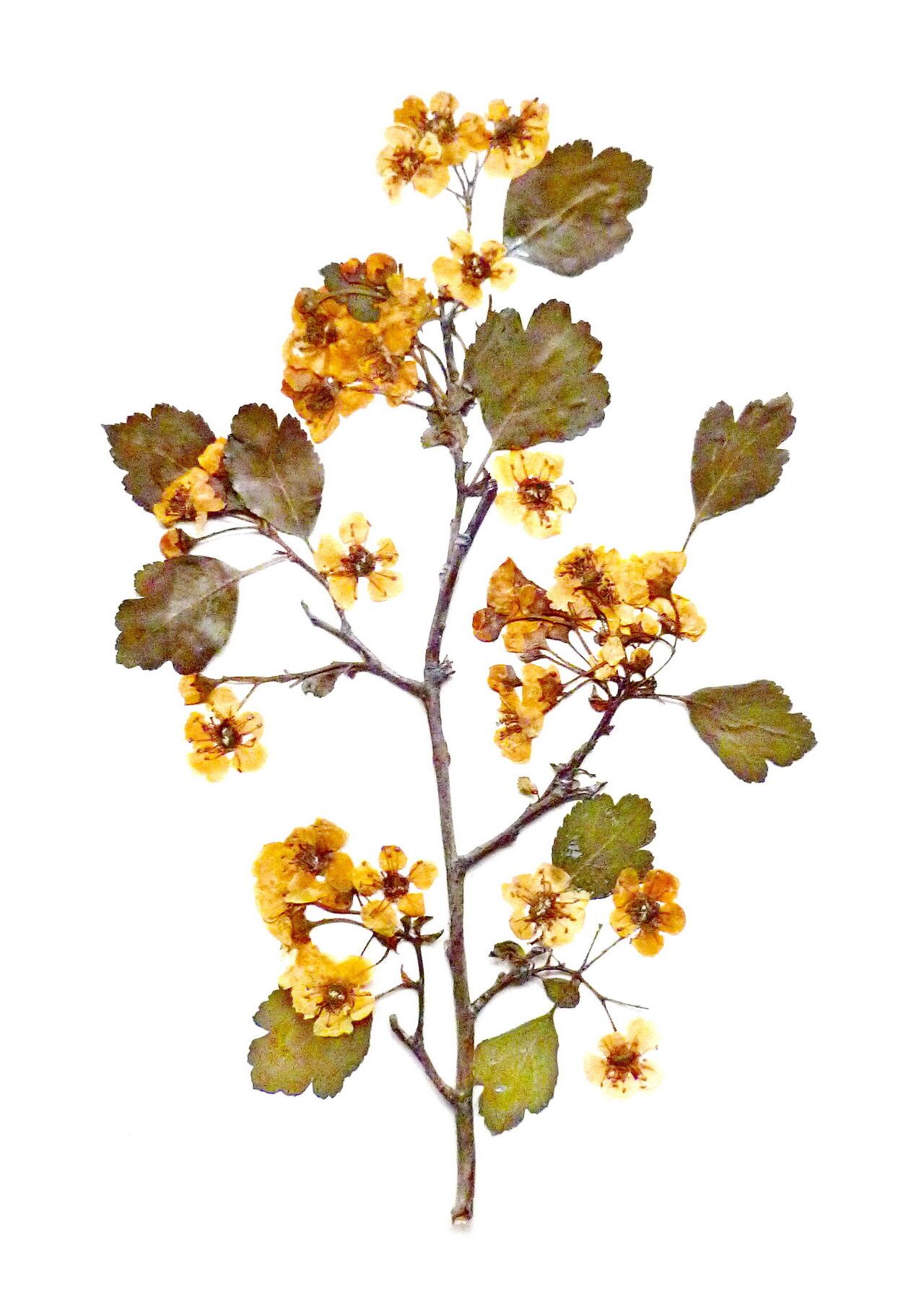
Hello fellow garden enthusiasts! If you, like me, have a fondness for those charming thorny beauties, the hawthorns, then you might be eyeing Crataegus marshallii, commonly known as Marshall’s hawthorn. Its delicate white flowers in spring and the attractive red berries later in the year make it a real showstopper. And let me tell you, coaxing a new plant into existence from a parent specimen is one of the most satisfying garden joys. For Crataegus marshallii, propagation can be a little bit of a project, but with a bit of patience, it’s absolutely doable for those willing to give it a try.
The Best Time to Start
Timing is everything in the garden, isn’t it? For Marshall’s hawthorn, I’ve found the late spring to early summer is your golden window for taking stem cuttings. This is when the plant is actively growing, and those semi-hardwood stems have just started to firm up a bit, but they’re not yet woody and tough.
Supplies You’ll Need
Here’s what you’ll want to have on hand:
- Sharp pruning shears or a clean knife: For making precise cuts.
- Rooting hormone: This is a real boost for woody plants like hawthorns. The powdered or gel forms both work well.
- A well-draining potting mix: I like a blend of equal parts peat moss, perlite, and a bit of coarse sand.
- Small pots or seed trays: About 4-6 inches deep are great for cuttings.
- Clear plastic bags or a propagation dome: To create a humid environment.
- A dibber or pencil: For making holes in the soil.
- Optional: Bottom heat mat: This can significantly speed up root development, especially in cooler conditions.
Propagation Methods
We’ll focus on the most reliable method for Marshall’s hawthorn: stem cuttings.
- Select Your Cuttings: Head out to your healthy Marshall’s hawthorn plant. Look for semi-hardwood stems that are about pencil-thick and roughly 6-8 inches long. You want to make your cut just below a leaf node (where a leaf attaches to the stem). It’s important to get a piece that bends slightly but doesn’t snap easily.
- Prepare the Cuttings: Once you’ve taken your cuttings, remove the lower leaves, leaving only the top 2-3 sets. If any of the leaves are very large, you can even cut them in half to reduce water loss. Also, strip off any flower buds or developing fruit.
- Apply Rooting Hormone: Dip the cut end of each stem into your rooting hormone. Make sure it’s coated well, then tap off any excess.
- Plant Your Cuttings: Fill your pots with your prepared potting mix. Make a hole in the center of the soil with your dibber or pencil, and gently insert the treated end of the cutting. Firm the soil around the stem, ensuring good contact.
- Create a Humid Environment: Water the soil thoroughly but gently. Then, cover the pots with a clear plastic bag, securing it around the rim with a rubber band, or place them under a propagation dome.
The “Secret Sauce” (Pro Tips)
Here are a few things I’ve learned over the years that really make a difference:
- Use bottom heat! Seriously, a small propagation mat placed under your pots provides consistent warmth that encourages root formation like nothing else. Hawthorns appreciate that gentle heat from below.
- Don’t be tempted to peek too soon. Patience is a virtue when propagating woody plants. It can take several weeks, even a couple of months, for those roots to develop. Disturbing them too early can set you back.
- Cleanliness is paramount. Always use sterilized tools and pots. This is crucial for preventing fungal diseases and rot, which is the nemesis of cuttings.
Aftercare & Troubleshooting
Once your cuttings are planted, place them in a bright spot that receives indirect sunlight. Keep the soil consistently moist but not waterlogged. You should see new leaf growth after a few weeks, which is a good sign.
The real test is when you can gently tug on the cutting. If you feel resistance, it means roots have formed! You can then begin to gradually acclimate them to drier air by opening the plastic bag or dome a little more each day over a week.
The most common problem you’ll face is rot. If a stem turns black and mushy, it’s unfortunately a goner. This usually happens from too much moisture, poor air circulation, or lack of cleanliness. If you see this, remove the affected cutting immediately to prevent it from spreading.
A Little Encouragement
Propagating Crataegus marshallii is a rewarding journey. It takes a bit of finesse, but seeing those tiny roots emerge is a feeling like no other. Don’t be discouraged if your first attempts aren’t perfect. Keep trying, observe your plants, and remember to enjoy the process. Happy propagating!
Resource:
https://identify.plantnet.org/k-world-flora/species/Crataegus%20marshallii%20Eggl./data