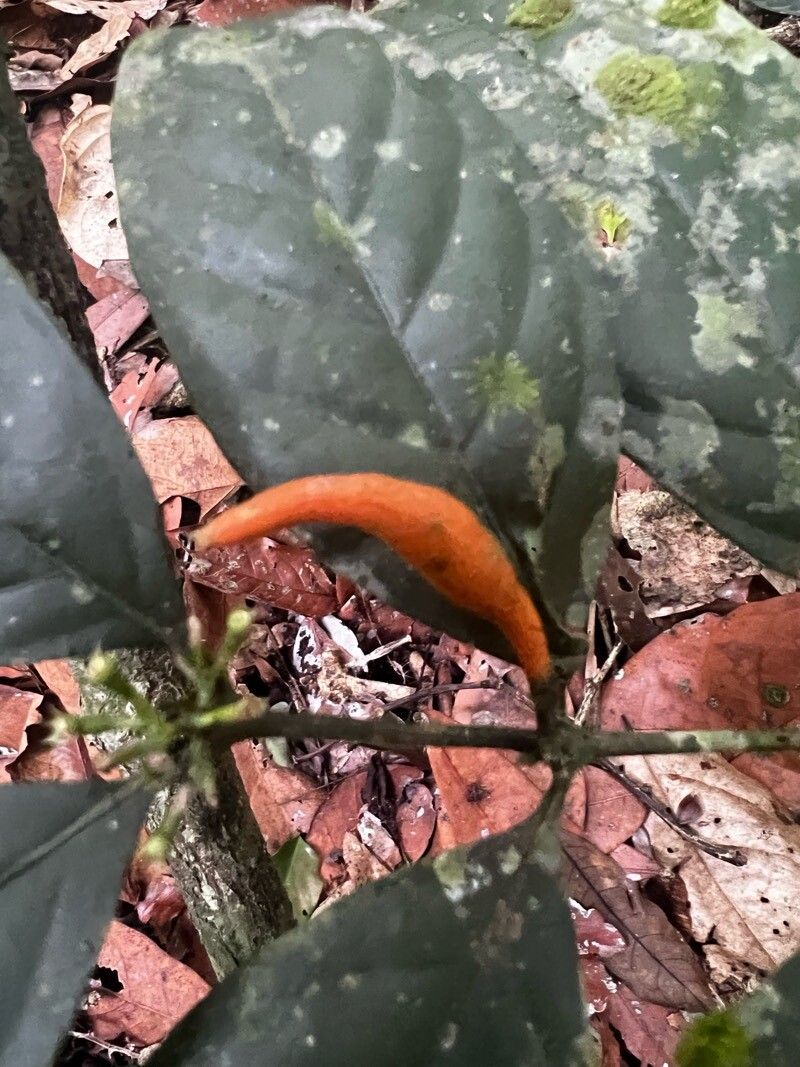
Hey there, fellow plant lovers! I’m so excited to chat with you today about a truly special gem in the garden: Oxyanthus lewisii. If you’ve ever seen this beauty, you know its lush foliage and delicate blooms are simply captivating. Propagating it yourself? That’s a whole other level of garden joy. It’s a process that feels like a quiet, whispered secret between you and the plant, and the reward of watching a new life sprout from your efforts is immense. Now, I won’t lie, Oxyanthus lewisii can be a tad particular, so it might present a small challenge for absolute beginners, but with a little guidance, we’ll get you there!
The Best Time to Start
When it comes to coaxing new life from Oxyanthus lewisii, timing is everything. My go-to period for taking cuttings is definitely the late spring to early summer. This is when the plant is actively growing, full of energy, and has that perfect blend of new, soft growth and slightly more mature, woody stems. You want to look for stems that are flexible but not so floppy they’ll droop immediately. Think of it as catching the plant at its most vigorous and willing to share a piece of itself.
Supplies You’ll Need
Gathering your tools before you start is key to a smooth propagation session. Here’s what I always have on hand:
- Sharp, clean pruning shears or a sterile knife: For a precise cut that won’t damage your parent plant.
- Rooting hormone powder or gel: This is a little boost of encouragement for your cuttings.
- A well-draining potting mix: I like a blend of equal parts peat moss or coco coir, perlite, and horticultural charcoal. This keeps things airy and prevents soggy roots.
- Small pots or propagation trays: Clean ones are a must!
- A clear plastic bag or propagation dome: To create a humid environment.
- Bottom heat mat (optional but highly recommended): This really speeds things up.
- Watering can with a fine rose or spray bottle: For gentle watering.
Propagation Methods
For Oxyanthus lewisii, I find stem cuttings to be the most reliable and rewarding method. Here’s how I do it:
- Select your stem: Look for healthy, vigorous stems that are about 4-6 inches long. You want stems that are semi-hardwood – meaning they’ve started to firm up but aren’t completely woody. Pinch off any flowers or flower buds.
- Make the cut: Use your sharp shears to make a clean cut just below a leaf node. A leaf node is where a leaf attaches to the stem; this is where roots are most likely to form.
- Prepare the cutting: Gently remove the lower leaves, leaving just two or three at the top. This prevents them from rotting in the soil and encourages the plant to focus its energy on root development.
- Apply rooting hormone: Dip the cut end into your rooting hormone powder or gel. Tap off any excess. This step is a real game-changer for encouraging strong root growth.
- Potting up: Fill your cleaned pots with your well-draining potting mix. Make a small hole with your finger or a pencil.
- Insert the cutting: Gently plant the treated end of the cutting into the hole, ensuring the lowest leaf node is below the soil surface. Firm the soil gently around the stem.
- Water and cover: Water the soil thoroughly but gently. Then, cover the pot with a clear plastic bag or a propagation dome to create a mini-greenhouse. This maintains high humidity, which is crucial for cuttings.
The “Secret Sauce” (Pro Tips)
Over the years, I’ve learned a few tricks that really make a difference:
- Don’t let the leaves touch the water! If you’re doing water propagation (which I find less effective for Oxyanthus lewisii than cuttings, but still viable for some plants), make absolutely sure no leaves are submerged. They’ll just rot and invite disease. For cuttings in soil, this means burying those lower leaf nodes.
- Bottom heat is your best friend. Placing your propagation pots on a gentle heat mat can dramatically speed up root formation. It mimics the warmth of spring soil and really jump-starts the process. Just a low setting is usually perfect.
- Think about air circulation. While humidity is key, too much stagnant air can lead to fungal issues. If you’re using a plastic bag, I sometimes like to air it out for a few minutes each day to prevent any mold from creeping in.
Aftercare & Troubleshooting
Once your cuttings have been tucked into their pots, patience is your new best friend. Keep them in a bright, indirect light location. Avoid direct sun, which can scorch young cuttings. Check the soil moisture regularly – it should be consistently moist but never waterlogged. A good test is to gently poke your finger in; if it feels dry an inch down, it’s time to water.
You’ll know your cutting has successfully rooted when you see new leaf growth. It might take anywhere from 4-10 weeks, so don’t get discouraged! You can also very gently tug on the cutting; if it offers resistance, roots are forming.
The most common sign of trouble is wilting or browning leaves, which can indicate too little humidity or too much direct sun. If your cutting turns mushy and black, that’s almost always rot, usually caused by overwatering or poor drainage. If you see rot, it’s often best to discard that cutting and start fresh.
A Encouraging Closing
Propagating Oxyanthus lewisii is a truly rewarding journey. It’s a chance to connect with nature, understand a plant’s life cycle, and multiply the beauty in your garden. Be patient, pay attention to your little cuttings, and enjoy the process. Happy propagating!
Resource: