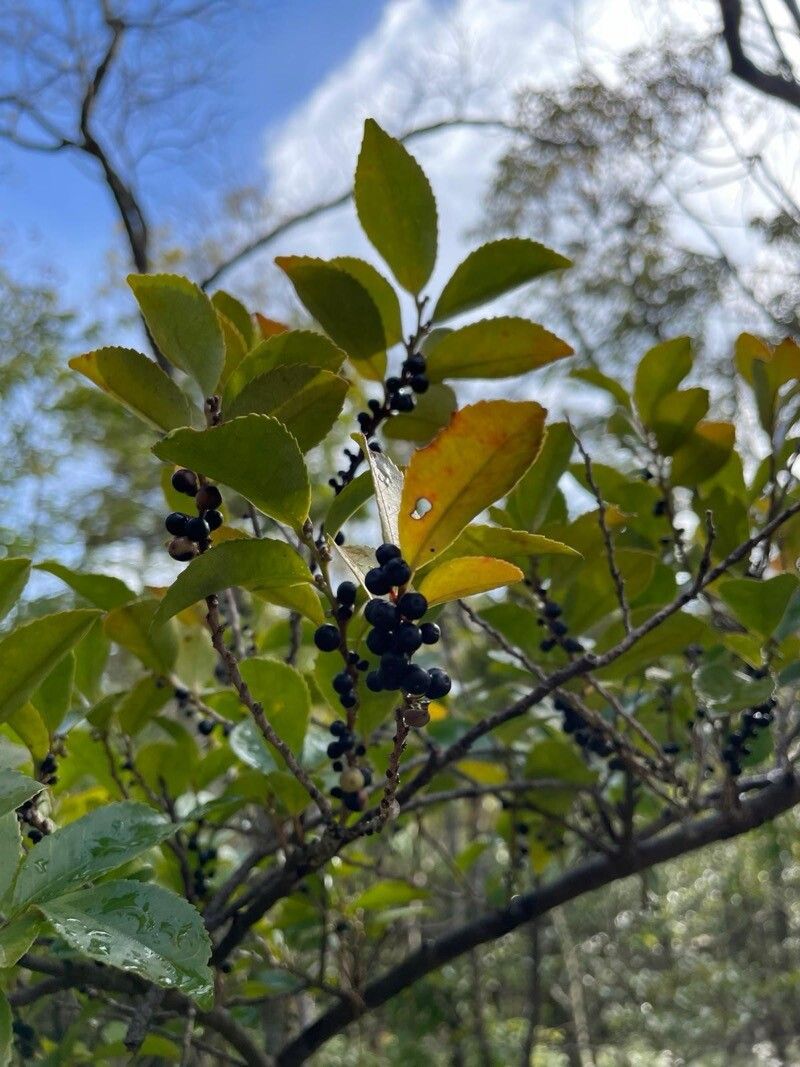
Hello fellow garden enthusiasts! Today, I want to chat about a truly delightful evergreen that I’ve come to adore over the years: Eurya japonica. Sometimes called Japanese Andromeda, though it’s a different beast entirely from the Pieris genus, this plant offers such lovely glossy foliage and delicate, bell-shaped flowers that bloom in the cooler months. It’s a fantastic addition for structure and subtle beauty in the garden, and trust me, propagating it is a wonderfully rewarding endeavor. Now, for the good news – Eurya japonica is generally quite cooperative when it comes to propagation, making it a great choice even if you’re relatively new to the plant-propagation game.
The Best Time to Start
For the highest chance of success with Eurya japonica, I find that propagating from softwood cuttings in late spring or early summer is your sweet spot. This is when the plant is actively growing, and these fresh, pliable stems have the best vigor to root. If you miss that window, semi-hardwood cuttings taken in mid-summer to early autumn can also work, though they might take a bit longer to establish.
Supplies You’ll Need
Before we dive in, let’s gather our essentials. A well-equipped toolbox makes all the difference!
- Sharp Pruning Shears or a Craft Knife: For clean cuts.
- Perlite: For excellent drainage.
- Peat Moss or Coconut Coir: To retain moisture.
- Small Pots or Seedling Trays: With drainage holes, of course!
- Rooting Hormone (Optional but Recommended): A powder or gel.
- Clear Plastic Bag or Propagator Dome: To create a humid environment.
- Water: For misting and initial watering.
- Labeling stakes: To keep track of your efforts!
Propagation Methods: Let’s Get Our Hands Dirty!
The most reliable way I’ve found to propagate Eurya japonica is through stem cuttings. It’s a straightforward process that yields great results.
-
Take Your Cuttings: On a mild day, select healthy, non-flowering shoots from a mature plant. You’re looking for stems that are still somewhat flexible but showing a bit of firmness. Aim for cuttings about 4-6 inches long. Using your sharp shears or knife, make a clean cut just below a leaf node (where a leaf attaches to the stem). This is where the magic of root development often begins.
-
Prepare the Cuttings: Gently remove the lower leaves from your cuttings, leaving just a few at the top. This helps prevent them from rotting in the soil and reduces moisture loss. If your cuttings are long, you can even lightly mist them at this stage.
-
Apply Rooting Hormone (Optional): Dip the cut end of each cutting into your chosen rooting hormone, shaking off any excess. This step isn’t strictly necessary for Eurya japonica, but it can definitely give your cuttings a boost and speed up the rooting process.
-
Pot Them Up: Fill your small pots or seedling trays with a well-draining potting mix. I like to use a 50/50 blend of perlite and peat moss (or coconut coir). Make a small hole in the center of the mix with your finger or a pencil. Insert the prepared cutting into the hole, ensuring the nodes where you removed the leaves are buried. Gently firm the soil around the base of the cutting.
-
Create Humidity: Water the soil thoroughly but gently. Then, cover the pot or tray with a clear plastic bag or a propagator dome. This is crucial to maintain high humidity, which is vital for cuttings that haven’t yet developed roots to absorb water. Ensure the plastic doesn’t touch the leaves – you can use stakes to prop it up if needed.
-
Find a Suitable Spot: Place your pots in a bright location that receives indirect light. Avoid direct sun, which can scorch the delicate cuttings. A windowsill that gets morning sun but is shaded from hot afternoon rays is often ideal.
The “Secret Sauce” (Pro Tips)
After years of learning, a few tricks have become my go-to for boosting success:
- Bottom Heat is Your Friend: If you have the space and the inclination, placing your pots on a heating mat designed for plants can dramatically speed up root formation. It mimics the warmth of spring soil and really encourages things to get moving.
- The “Sniff Test” for Moisture: When you check on your cuttings, gently try to wiggle one. If it feels loose, it might not have rooted yet. But more importantly, don’t let the potting mix dry out completely between waterings. Conversely, avoid soggy conditions. The soil should feel consistently moist but not waterlogged.
- Don’t Rush the Potting Up: Patience is a virtue in gardening! Resist the urge to pull up your cuttings to check for roots too soon. It can damage tender new root hairs. Wait until you see new leaf growth appearing, which is a strong indicator that roots have formed.
Aftercare & Troubleshooting
Once you see those first signs of life – new leaves unfurling – congratulations! It’s time for a little more TLC.
Gradually acclimate your newly rooted cuttings to normal room humidity by opening the plastic bag a little more each day over a week or two. Once they’re fully exposed, continue to water them when the top inch of soil feels dry. They can stay in their small pots for a few more weeks or months before you consider potting them up into slightly larger containers, still using a good, free-draining potting mix.
Now, what if things don’t go as planned? The most common issue is rot. This usually happens when the cuttings are kept too wet and don’t have enough air circulation. If you see black, mushy stems, it’s likely rot, and unfortunately, that cutting is probably lost. Ensure your pots have good drainage, and that you aren’t overwatering. Another sign of no success is simply a lack of growth or wilting that doesn’t improve with watering. This can sometimes be due to poor rooting hormone application, insufficient light, or a cutting that just wasn’t vigorous enough to begin with. Don’t be discouraged if some cuttings don’t make it; it’s all part of the learning process.
A Little Encouragement to Finish
Propagating Eurya japonica is a journey, not a race. Be patient with your little charges. Watch for new growth, keep them consistently moist but not drowned, and provide that humid environment they crave. Every gardener has had their share of propagation triumphs and a few casualties along the way. Celebrate the successes, learn from the rest, and most importantly, enjoy the wonder of coaxing new life from a parent plant. Happy propagating!
Resource:
https://identify.plantnet.org/k-world-flora/species/Eurya%20japonica%20Thunb./data