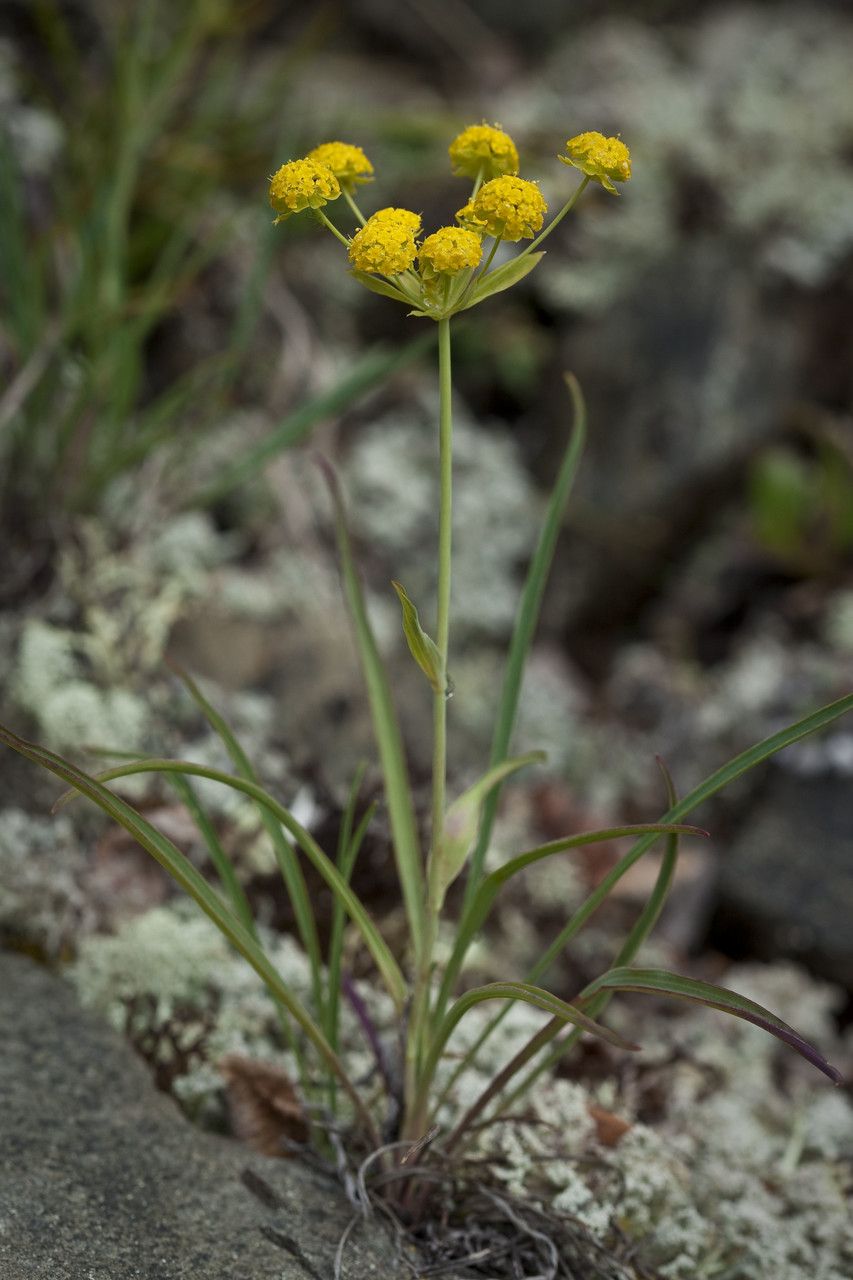
Oh, Bupleurum americanum! If you’ve ever seen this charming native gracing a sunny meadow or a hillside garden, you already know why it’s special. Its delicate, often bluish-green foliage and cheerful yellow flower clusters are just lovely. And the best part? You can easily bring more of that sunshine into your own yard by propagating it. It’s a truly rewarding endeavor, and I’m happy to say, it’s quite beginner-friendly!
The Best Time to Start
For Bupleurum americanum, the sweet spot for propagation is generally in late spring to early summer. This is when the plant is actively growing and has plenty of energy to put into developing new roots. You’re looking for softwood cuttings, which are new, pliable stems that haven’t yet turned woody.
Supplies You’ll Need
- Sharp pruning shears or a clean knife
- A well-draining potting mix. I like a blend of peat moss, perlite, and a bit of compost.
- Small pots or trays with drainage holes
- Rooting hormone (optional, but can give you a nice boost)
- A plastic bag or a clear plastic dome to create a humid environment
- A spray bottle filled with water
Propagation Methods
Let’s get our hands dirty! I find stem cuttings to be the most reliable method for Bupleurum americanum.
-
Take Cuttings: Using your clean shears, take stem cuttings from a healthy, vigorous parent plant. Aim for pieces that are about 4-6 inches long. Make the cut just below a leaf node (where the leaf attaches to the stem).
-
Prepare the Cuttings: Gently remove the lower leaves from your cuttings, leaving just a couple of sets at the top. This prevents them from rotting in the soil. If you’re using rooting hormone, dip the cut end into it now.
-
Plant Your Cuttings: Fill your small pots with the well-draining potting mix. Make a small hole in the center of the soil with your finger or a pencil. Carefully insert the cut end of your Bupleurum cutting into the hole and gently firm the soil around it.
-
Create a Humid Zone: Water the soil lightly until it’s moist but not soggy. Then, cover the pot with a plastic bag (secure it with a rubber band) or place it under a clear plastic dome. This keeps humidity high, which is crucial for cuttings to root.
The “Secret Sauce” (Pro Tips)
- Don’t let the leaves touch the water! If you’re doing this in a propagation tray where the soil might get very wet, make sure the remaining leaves are held up and away from the surface. This dramatically reduces the chance of fungal diseases taking hold.
- Bottom heat is your friend. If you have a warming mat used for seedlings, placing your pots on it can significantly speed up the rooting process. It mimics the warmth of spring soil and encourages those roots to form faster.
- Be patient with patience. Some plants root quickly, others take their sweet time. For Bupleurum americanum, I often find roots appearing within 3-5 weeks, but sometimes it can take a bit longer. Resist the urge to pull them up too early to check!
Aftercare & Troubleshooting
Once you see new growth appearing on your cuttings – little leaves unfurling – that’s a good sign roots are developing. You can also give a gentle tug; if there’s resistance, they’ve likely rooted.
Gradually acclimate your new plants to normal room humidity by opening the plastic bag a little each day over a week. Once they’re fully adjusted and you’re confident they’re well-rooted, you can transplant them into larger pots or directly into their garden home.
The most common issue you might encounter is rot. If your cuttings look limp, mushy, or discolored, it’s usually a sign of too much moisture and not enough air circulation. Ensure your potting mix is free-draining, and don’t overwater. If you see rot, it’s often best to discard the affected cutting and try again, making sure to improve your watering and drainage habits.
A Little Encouraging Wrap-Up
Propagating Bupleurum americanum is a delightful way to expand your garden and share the beauty of this plant with friends. It’s a process that teaches you about patience and observation. Trust your instincts, enjoy the gentle unfolding of new life, and before you know it, you’ll have a whole patch of this wonderful native to admire. Happy planting!
Resource: