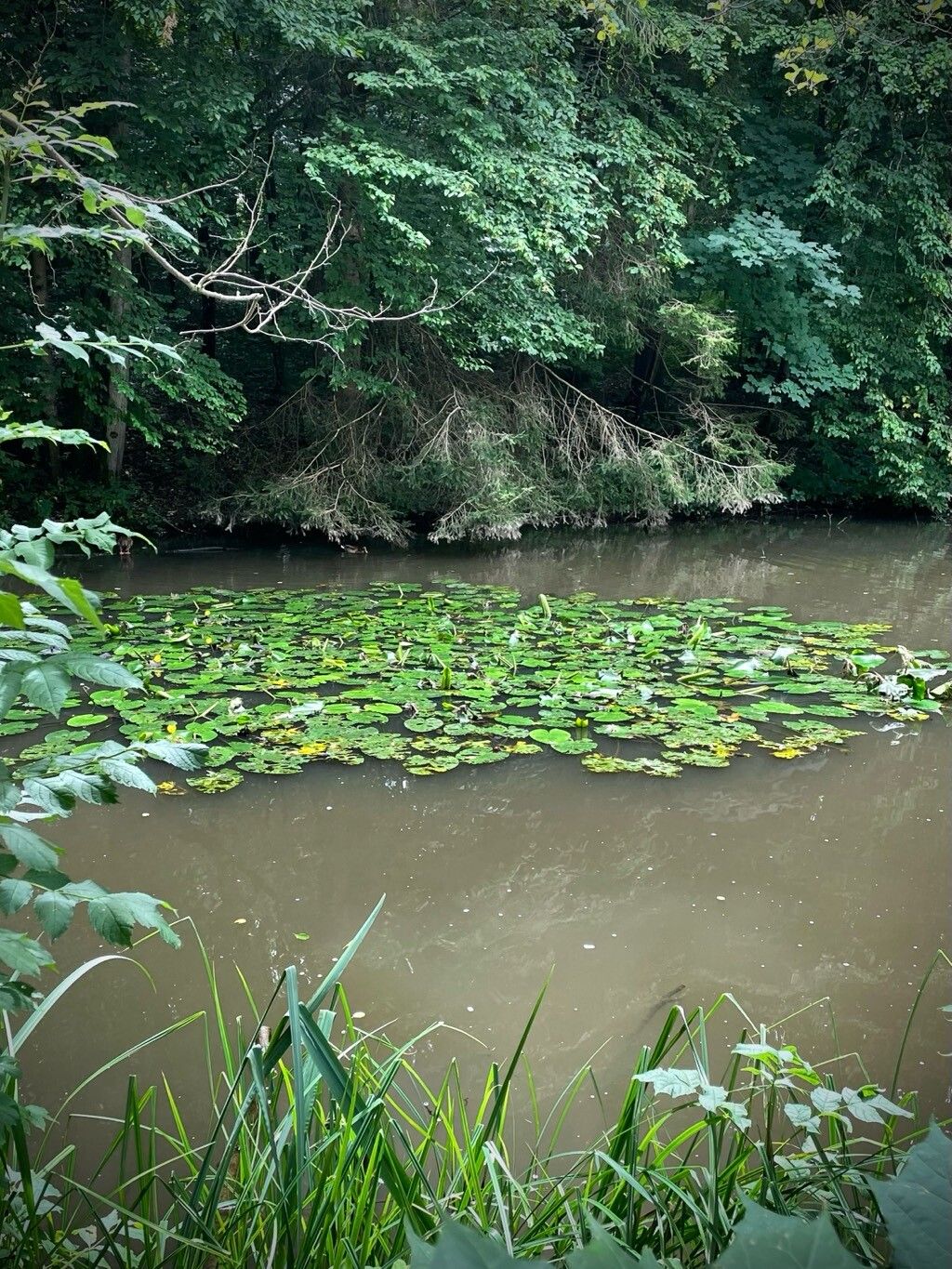
Hello fellow garden enthusiasts! I’m thrilled to chat with you today about a truly captivating aquatic plant: Nuphar lutea, also known as Yellow Pond Lily or Spatterdock. If you’ve ever admired those lovely, cup-shaped yellow flowers gracing the surface of tranquil ponds and slow-moving waters, you’re in for a treat. Propagating these beauties can be incredibly rewarding, allowing you to fill your watery spaces with their cheerful presence or share them with fellow pond lovers. Now, for the beginners among you, Nuphar lutea can be a bit of a patient gardener’s plant. It’s not as straightforward as sticking a begonia cutting in a pot, but with a little know-how and some nurturing, you’ll be successful.
The Best Time to Start
The prime time to think about propagating Nuphar lutea is late spring to early summer. This is when the plant is actively growing and has plenty of stored energy. You’re looking for established plants that have had a good season to develop their rhizomes, which are the horizontal, underground stems that are key to propagation.
Supplies You’ll Need
Here’s what you’ll want to have on hand before you get started:
- Sharp, clean pruning shears or a sturdy knife: For making clean cuts.
- Gloves: Pond mud can be… well, mucky!
- Buckets or containers: To hold your new divisions or cuttings.
- Well-draining substrate: For dividing rhizomes, an equal mix of aquatic compost and sand works wonders. It’s a bit different from what you’d use for terrestrial plants.
- Water: Fresh, clean water for rinsing and for water propagation.
- Optional: Rooting hormone: While not strictly necessary for division, some gardeners find it helpful for cuttings to give them an extra boost.
Propagation Methods
There are a couple of tried-and-true ways to get more Nuphar lutea plants.
1. Division of Rhizomes
This is by far the most common and successful method for Yellow Pond Lily.
- Carefully excavate: Gently remove the established plant from its pond or container. Be mindful of the delicate roots.
- Rinse clean: Gently wash away excess mud from the rhizomes. This helps you see the structure of the plant and identify where to make your cuts.
- Identify growth points: Look for the segments of the rhizome that have buds or developing shoots. These are where new plants will emerge from.
- Make the cut: Using your sharp shears or knife, divide the rhizome into pieces, ensuring each piece has at least one good bud or shoot. If the rhizome is quite thick, you might need to saw through it.
- Potting (if needed): You can plant these divisions directly into your pond or aquatic containers. If you’re starting them in a temporary holding area, use your aquatic compost and sand mix in a shallow tray. Ensure the rhizome is partially buried with the bud facing upwards.
2. Stem Cuttings (A Bit More Experimental)
This method is less common for Nuphar lutea and can be trickier, but it’s worth a try if you’re feeling adventurous!
- Select a healthy stem: Look for a young, green stem emerging from the rhizome, ideally one that hasn’t yet developed a flower bud.
- Make a clean cut: Cut a section of the stem about 4-6 inches long, ensuring it has at least one leaf attached.
- Prepare the cutting: You can dip the cut end in rooting hormone if you’re using it.
- Water propagation: Place the cutting in a jar of clean, fresh water. Make sure only the cut end is submerged, and the leaves are above the water line.
The “Secret Sauce” (Pro Tips)
Here are a few things I’ve learned over the years that really make a difference:
- Bottom Heat is Your Friend: For those stem cuttings, placing the container of water on a gentle seedling heat mat can significantly speed up root formation. It mimics the warmth of warmer water.
- Rhizome Health is Key: When dividing, aim for rhizome pieces that feel firm and plump, not mushy or dehydrated. If a section feels soft, it’s probably best to discard it as it might be prone to rot.
- Don’t Overcrowd Pond Divisions: When planting divisions directly into a pond, give them plenty of space. Nuphar lutea can spread, so overcrowding at the start can lead to weaker plants.
Aftercare & Troubleshooting
Once your new Nuphar lutea has established roots – which you’ll see starting to grow from the cuttings or evident new shoots from your divisions – it’s time to give them a proper home.
- Planting out: If you’ve potted them, you can plant them into their permanent pond location when they show good root development. Ensure the rhizome is at the correct depth for your pond – generally, the growth buds should be just at or slightly below the water surface.
- Monitor water levels: For cuttings in water, change the water every few days to keep it fresh and prevent stagnation.
- Watch for mushiness: The primary issue you’ll encounter is rot. If your cuttings turn slimy or your divisions start to look mushy, it’s usually a sign of too much moisture without enough air circulation, or the plant is simply not viable. Don’t be discouraged; it happens! Remove any rotting material immediately.
A Encouraging Closing
Growing your own Nuphar lutea is a journey, and like all good gardening, it requires patience and observation. Don’t get discouraged if your first attempt isn’t perfect. Each plant you nurture, each bloom you see, is a testament to your green thumb and dedication. Enjoy the process, connect with nature, and soon you’ll have beautiful yellow lilies gracing your water features! Happy gardening!
Resource:
https://identify.plantnet.org/k-world-flora/species/Nuphar%20lutea%20(L.)%20Sm./data