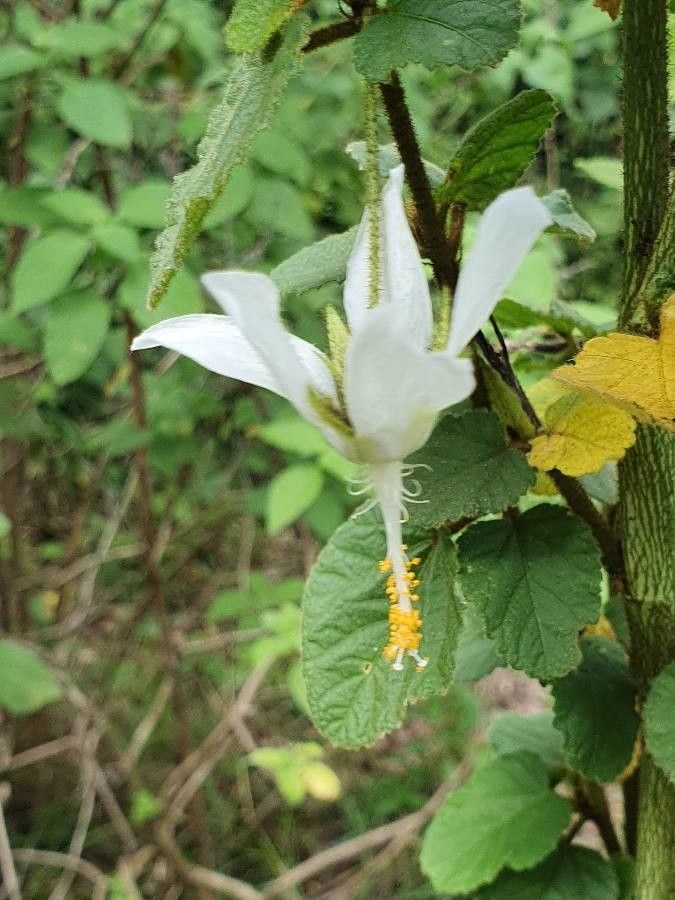
Oh, hello there! It’s so lovely to have you stop by my little corner of the gardening world. Today, we’re diving into the wonderful realm of Hibiscus fuscus, a plant that brings such vibrant pops of color and a touch of the tropics to any garden. I’ve spent years with these beauties, and let me tell you, coaxing a new plant to life from one of these beauties is incredibly satisfying. If you’re curious about trying your hand at propagation, you’ll be happy to know that Hibiscus fuscus is a pretty forgiving plant to work with. Don’t be intimidated; we’ll get through it together!
The Best Time to Start
For the highest success rate with Hibiscus fuscus, I always recommend late spring or early summer. This is when the plant is in its active growth phase. The stems are nice and pliable, and the warmth of the season really helps things along. Trying to propagate when the plant is dormant, say in winter, just won’t give you the results you’re hoping for. Patience is key here!
Supplies You’ll Need
Gathering your supplies beforehand makes the whole process much smoother. Here’s what I like to have on hand:
- Sharp pruning shears or a clean knife: For taking clean cuttings.
- Rooting hormone: This is a powder or gel that encourages root development. It’s a great little helper, especially for woody cuttings.
- Small pots or a propagation tray: With drainage holes, of course!
- A well-draining potting mix: I usually mix equal parts peat moss or coco coir with perlite or coarse sand. This keeps things airy and prevents waterlogging.
- Plastic bags or a clear dome lid: To create a humid environment.
- Water: For moistening your soil and misting.
- Labels or markers: To keep track of what you’ve planted and when.
Propagation Methods
Let’s get our hands dirty! Stem cuttings are generally the easiest and most effective way to propagate Hibiscus fuscus.
Stem Cuttings:
- Select your parent plant: Choose a healthy, vigorous Hibiscus fuscus that’s free from pests and diseases.
- Take the cuttings: Using your sharp pruning shears, take cuttings that are about 4-6 inches long. Look for stems that are semi-hardwood – meaning they’re not brand new and soft, but not old and woody either. Pinch off any flowers or developing buds, as these take energy away from root formation.
- Prepare the cuttings: Gently remove the lower leaves from the cutting, leaving just a few at the top. This prevents them from decaying in the soil. If your leaves are large, you can even cut them in half to reduce water loss.
- Apply rooting hormone: Dip the cut end of each stem into the rooting hormone, tapping off any excess.
- Plant the cuttings: Fill your pots with your prepared potting mix, moisten it thoroughly, and then make a small hole with your finger or a pencil. Gently insert the hormone-coated end of the cutting into the hole. Firm the soil gently around it.
- Create humidity: Water the soil again gently. Then, cover the pot with a clear plastic bag (making sure the leaves don’t touch the plastic itself – tie it up high or use stakes) or place it under a clear dome lid. This creates a mini-greenhouse.
- Place in a warm spot: Put your pots in a location that receives bright, indirect light. Avoid direct, scorching sun.
The “Secret Sauce”
Now for a couple of little tricks I’ve picked up over the years:
- Bottom heat is your friend: If you can, place your propagation tray or pots on a heat mat designed for plants. This gentle warmth from below really encourages those roots to take off faster. It’s like giving your cuttings a cozy little spa day to get them growing.
- Whisper a little encouragement (and mist!): While you want humidity, don’t let your cuttings sit in soggy soil. Mist the leaves lightly every day or two, especially if you’re not using a dome. Think of it as a gentle dew that keeps them happy while they’re working on their roots.
- Don’t disturb too soon: I know it’s tempting to constantly peek and pull at your cuttings to see if roots have formed. Resist the urge! Wait at least 4-6 weeks before gently tugging on a cutting. If you feel resistance, that’s a good sign roots are developing.
Aftercare & Troubleshooting
Once you start to see new leaf growth, or feel that resistance when you gently tug, you know your cutting has rooted!
- Gradual acclimatization: Slowly remove the plastic bag or dome over a few days. Start by taking it off for a few hours each day, increasing the time until the plant is used to the regular humidity.
- Watering: Continue to water when the top inch of soil feels dry. Don’t overwater; this is the quickest way to invite trouble.
- Potting up: Once your new plant has a good root system, you can pot it up into a slightly larger pot with fresh, well-draining soil.
Now, what if things go wrong? The most common issue is rot. If your cutting turns mushy, black, or dies back quickly, it’s usually due to too much moisture and not enough air circulation. That’s why good drainage and that humid-but-not-soggy balance are so crucial. If you see signs of rot, it’s best to discard the affected cutting and try again, perhaps with some adjustments to your watering or humidity levels.
Go Forth and Grow!
See? Not so scary, is it? Propagating Hibiscus fuscus is a journey, and like any good journey, it requires a little patience and a lot of love. Don’t be discouraged if your first few attempts aren’t perfect. Learn from them, enjoy the process of nurturing these little bits of green, and soon you’ll have a whole hedge full of gorgeous blooms to share with the world. Happy gardening!
Resource:
https://identify.plantnet.org/k-world-flora/species/Hibiscus%20fuscus%20Garcke/data