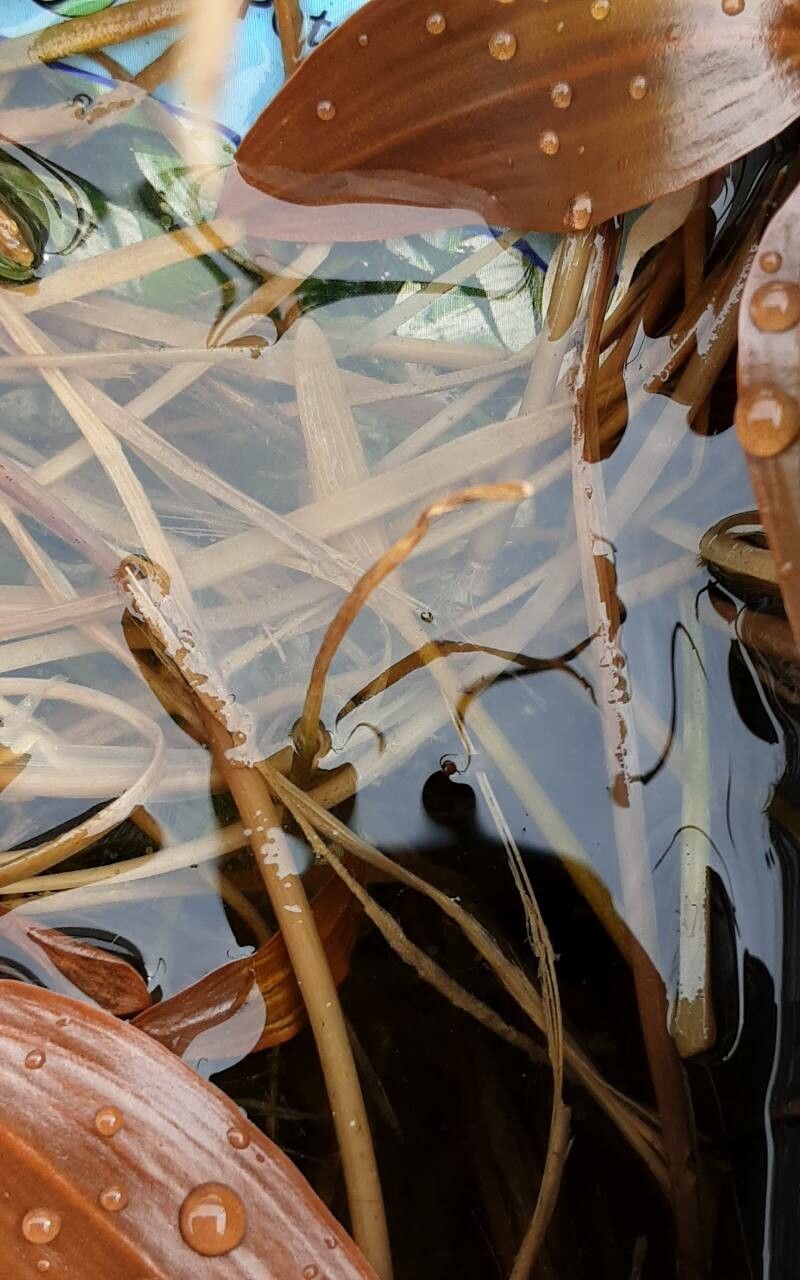
Hello fellow plant enthusiasts! Today, we’re diving into the wonderful world of propagating Potamogeton compressus, also known as the Grass-leaved Pondweed. This aquatic beauty, with its elegant, ribbon-like leaves, brings a serene and natural feel to any water garden or pond. Watching it thrive and then successfully multiplying it yourself is one of those deeply satisfying gardening moments. Now, some of you might be wondering if this is a beginner-friendly plant to propagate. I’d say it’s moderately easy. It’s not as foolproof as, say, a pothos cuttings, but with a little attention and the right approach, you’ll be well on your way to success.
The Best Time to Start
Timing is everything in the garden, and it’s no different for our aquatic friends. The absolute best time to propagate Potamogeton compressus is during its active growing season, which typically spans from late spring through summer. This is when the plant has ample energy to dedicate to new growth and root development. You’ll see the most robust success when you take cuttings from healthy, vigorous stems that are actively producing new leaves.
Supplies You’ll Need
Don’t worry, you won’t need a whole greenhouse full of specialized equipment. Most of what you need is quite simple:
- Sharp pruning shears or scissors: Clean cuts are crucial for preventing disease. I like to use my trusty Felcos for this.
- Healthy Potamogeton compressus parent plant: The source of your new babies!
- Containers: This could be anything from small propagation trays to jars or even small buckets, depending on your chosen method.
- Clean water: For water propagation, or for keeping cuttings hydrated. Tap water is usually fine, but if yours is heavily chlorinated, let it sit out for 24 hours beforehand.
- Aeration (optional but helpful): For larger setups, an aquarium air pump can be a real game-changer for keeping water oxygenated.
- Rooting hormone (optional): While not strictly necessary for Potamogeton, a dip in rooting hormone can sometimes give your cuttings a little boost. I’ve found success with or without it, but it’s something to consider if you want to really speed things up.
Propagation Methods
Potamogeton compressus is a remarkably adaptable plant when it comes to propagation! Here are the methods I rely on most:
Stem Cuttings: The Most Common Route
This is my go-to method, and it’s generally the easiest for most people.
- Select your stems: Look for healthy, non-flowering stems on your parent plant. You want stems that are at least 4-6 inches long and have a few sets of leaves on them.
- Make the cut: Using your clean shears, make a clean cut just below a leaf node. A leaf node is where a leaf attaches to the stem; this is where roots are most likely to emerge.
- Prepare the cutting: Gently remove any leaves from the bottom inch or two of the cutting. This prevents them from rotting in the water or soil.
- Place in water: Put your prepared cuttings directly into a container of clean water. If you’re using rooting hormone, dip the cut end into it before placing it in the water. Make sure at least one leaf node is submerged.
- Provide good light: Place your container in a bright spot, but avoid direct, harsh sunlight which can scorch the delicate cuttings.
Water Propagation: Simple and Visual
This is essentially what we do with stem cuttings, but it’s worth highlighting because of its simplicity.
- Follow steps 1-3 from the “Stem Cuttings” method.
- Submerge and observe: Place the cuttings in a clear container of water. You can watch the magic happen as tiny white roots begin to emerge from the nodes.
- Change the water regularly: To keep things fresh and prevent algae buildup, change the water every few days. This also helps keep the cuttings oxygenated.
Division: For Established Clumps
If your Potamogeton compressus has grown into a healthy, dense clump, division is a fantastic way to get multiple new plants.
- Gently lift the clump: Carefully remove the entire plant from its container or pond substrate.
- Untangle the roots and stems: With clean hands, gently tease apart the root ball and stems. You’re looking to separate sections that have both healthy roots and several stems.
- Make the divisions: If the plant is particularly dense, you might need to use your fingers to pull apart sections. For tougher divisions, a clean knife or even your pruning shears can be used, ensuring you get a good chunk of roots with each division.
- Replant immediately: Pot up each division into its own container or back into the pond. Water thoroughly.
The “Secret Sauce” (Pro Tips)
Here are a few little tricks I’ve learned over the years that can make a big difference:
- Don’t let the leaves touch the water! This is a big one, especially for stem cuttings. Any leaves submerged will eventually rot, which can spread to the rest of the cutting and hinder root development. Snip off lower leaves or ensure they are above the waterline.
- A gentle current is your friend: If you’re doing water propagation, a small aquarium air pump can do wonders. The gentle flow of water helps to oxygenate the water and provides a subtle stimulation that encourages root growth. It’s not essential, but it’s a nice boost.
- Consider bottom heat: For those struggling with slower rooting, placing your propagation containers on a gentle seedling heat mat can significantly speed up the process, especially in cooler conditions. Just make sure it’s not too hot – you want warmth, not cooking!
Aftercare & Troubleshooting
Once you see those first signs of roots forming – usually little white nubs emerging from the nodes – you’ve got yourself a baby Potamogeton compressus!
- Transitioning to soil (if applicable): If you’re planning to plant your Potamogeton in substrate rather than keeping it fully submerged in water, wait until the roots are at least an inch long. Gently plant the rooted cutting into a pot filled with a nutrient-rich aquatic planting medium or a mix of sand and loam.
- Patience is key: Don’t be tempted to replant too early. Let those roots get a good start.
- Watch for rot: The most common sign of trouble is mushy, black, or slimy stems. This is usually a sign of too much moisture without enough airflow, or a bacterial infection. If you see this, try to remove the affected part immediately. Ensure the water is clean and aerated. Sometimes, sadly, a cutting is just a lost cause, and it’s best to discard it and try again with a fresh one.
- Algae bloom: A little algae is normal, but if it starts to take over your propagation container, it can compete for nutrients. Change the water more frequently and ensure the container isn’t in direct, intense sunlight.
A Final Encouraging Thought
Propagating plants is a wonderful way to connect with nature and to fill your water gardens with abundance. Remember to be patient with your new cuttings. Not every single one will make it, and that’s perfectly okay. Enjoy the process of watching new life emerge, and celebrate each success! Happy propagating, friends!
Resource:
https://identify.plantnet.org/k-world-flora/species/Potamogeton%20compressus%20L./data