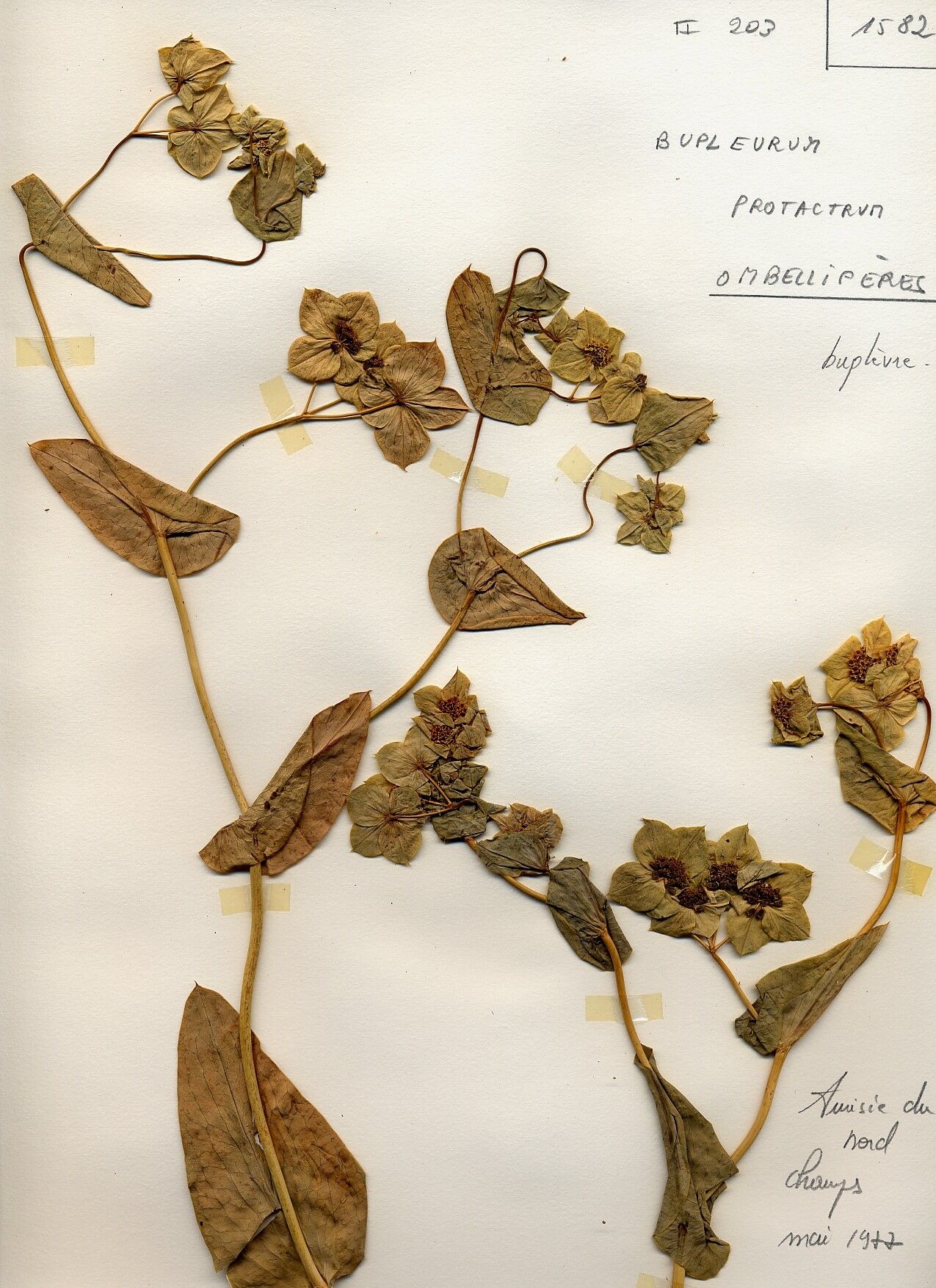
Hello, fellow garden enthusiasts! If you’re looking for a delightful addition to your floral displays, let me introduce you to Bupleurum subovatum. Its delicate, airy clusters of yellow-green flowers bring a subtle elegance to any planting, and they’re absolute workhorses in dried arrangements too. What I especially love about them is their resilience once established, and the sheer joy of coaxing new life from just a tiny piece of a parent plant. Now, if you’re just starting out, don’t be intimidated! Propagating Bupleurum is quite achievable, and I’ll guide you through it.
The Best Time to Start
For the highest success rate, I always recommend propagating Bupleurum subovatum in late spring or early summer. This is when the plant is actively growing and has plenty of energy reserves to put into developing new roots. You want to take cuttings from healthy, non-flowering stems, as these are usually more vigorous.
Supplies You’ll Need
Gathering your tools beforehand makes the whole process smoother. Here’s what I keep on hand:
- Sharp, clean pruning shears or a sharp knife: Crucial for making clean cuts that heal well.
- Rooting hormone (optional but recommended): This can give your cuttings a nice boost. Look for one specifically for softwood cuttings.
- A well-draining potting mix: I prefer a blend of perlite, peat moss, and a bit of compost. A good seed-starting mix also works beautifully.
- Small pots or trays: For housing your cuttings. Make sure they have drainage holes!
- A clear plastic bag or a propagation dome: To maintain humidity around the cuttings.
- A watering can with a fine rose: For gentle watering.
Propagation Methods
We’ll focus on a couple of reliable methods for Bupleurum subovatum.
Stem Cuttings
This is my go-to method for Bupleurum.
- Take your cuttings: Select healthy, semi-ripe stems about 4-6 inches long. Make a cut just below a leaf node (where a leaf attaches to the stem). Remove the lower leaves, leaving just a couple at the top. If the leaves are quite large, you can even cut them in half horizontally to reduce water loss.
- Dip in rooting hormone: If you’re using it, lightly dip the cut end of the stem into your rooting hormone powder. Tap off any excess.
- Pot them up: Fill your small pots with your prepared potting mix. Make a small hole with a pencil or your finger. Insert the cutting into the hole, ensuring the node where you removed the leaves is buried in the soil. Gently firm the soil around the stem.
- Water gently: Water the soil thoroughly until water drains from the bottom of the pot.
- Create a humid environment: Cover the pot with a clear plastic bag or a propagation dome. This traps moisture and creates a mini-greenhouse effect. Place it in a bright spot, but out of direct sunlight, which can scorch the delicate cuttings.
Division
If you have an established Bupleurum plant that’s looking a little crowded, or if you want to try division, this is a good option.
- Gently unearth the plant: In spring or fall, carefully dig up your Bupleurum plant. Try to disturb the roots as little as possible.
- Separate the root ball: Look for natural divisions in the root ball. Gently pull or use a clean spade to separate sections. Ensure each division has plenty of healthy roots and some top growth.
- Replant immediately: Pot up your divisions into new containers with fresh potting mix, or plant them directly into your garden beds. Water them well.
The “Secret Sauce” (Pro Tips)
Here are a few little tricks I’ve picked up over the years that can really make a difference:
- Bottom Heat is Your Friend: If you have a heat mat designed for propagation, placing your pots on it can dramatically speed up root formation. It mimics the warmth of the soil in spring. Keep the surface temperature around 70-75°F (21-24°C).
- Don’t Drown Your Cuttings: While humidity is key, don’t let your pots sit in standing water. Overwatering is a fast track to rot. The soil should be consistently moist, not soggy.
- A Little Air Circulation Helps: If you’re using a plastic bag, open it up for a few minutes each day to allow for some air exchange. This helps prevent fungal issues.
Aftercare & Troubleshooting
Once your cuttings have been in their pots for a few weeks, you can gently tug on a stem. If you feel resistance, that’s a good sign roots have formed! You can also look for new leaf growth.
- Acclimatization: Once you see roots, start to gradually acclimatize your cuttings to drier air. This means opening the plastic bag or dome for longer periods each day.
- Potting Up: When the plants have a good root system and are showing strong growth, you can move them into slightly larger pots with your regular potting mix.
- Signs of Trouble: The most common issue is rot, which usually shows up as a black, mushy stem. This is often due to overwatering or poor drainage. If you see this, sadly, that cutting is likely lost. Yellowing leaves can also indicate overwatering or not enough light.
A Welcoming Closing
Propagating plants is a beautiful way to connect with nature and expand your garden without spending a fortune. Be patient with your Bupleurum cuttings. Some will take quicker than others, and a few might not make it – that’s all part of the learning curve! Enjoy the process, celebrate every tiny root, and soon you’ll have a whole new batch of these lovely blooms to share and enjoy. Happy gardening!
Resource:
https://identify.plantnet.org/k-world-flora/species/Bupleurum%20subovatum%20Link%20ex%20Spreng./data