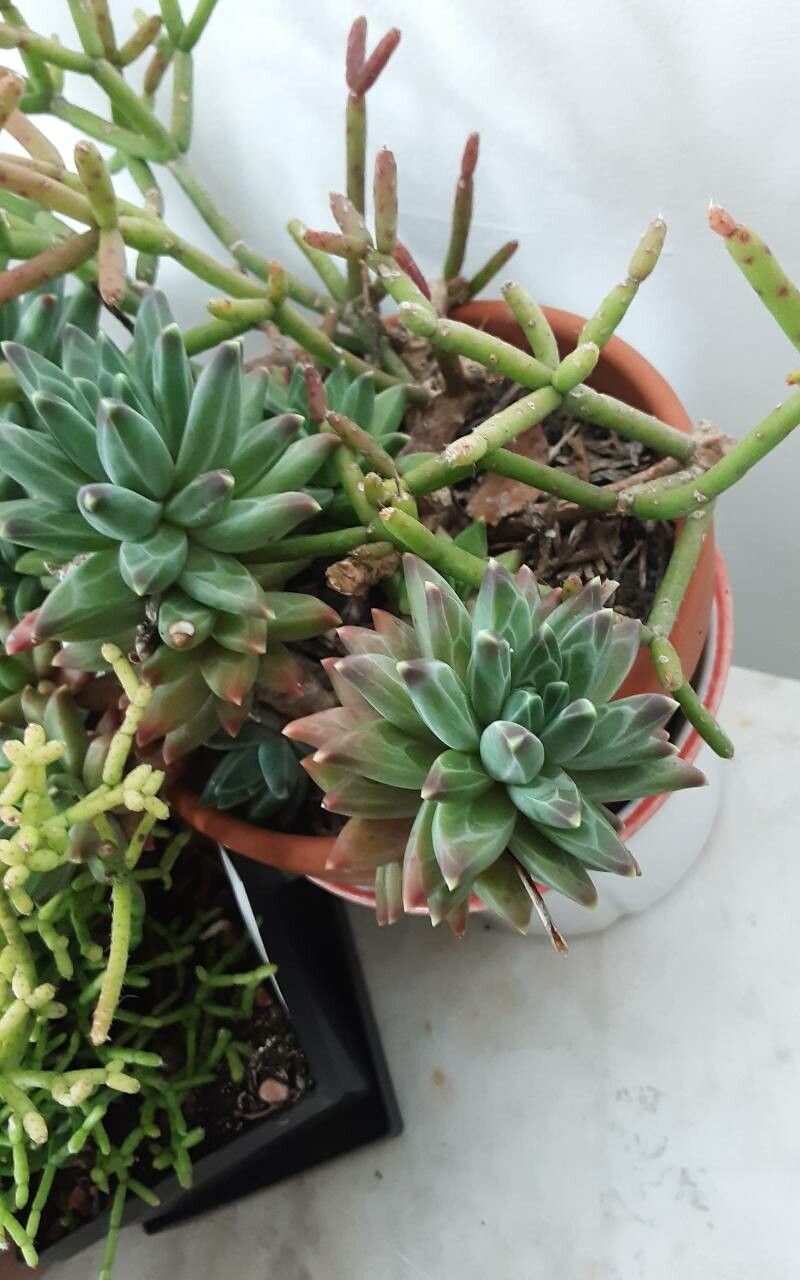
Oh, Pachyphytum compactum! Isn’t it just the cutest little thing? I’ve always adored its densely packed, chubby leaves, often described as “ovigerum” which means “egg-bearing” – how delightful is that? Propagating this gem is incredibly rewarding, a fantastic way to share its charm or simply expand your own succulent collection without breaking the bank. And for you beginners out there, I have good news: Pachyphytum compactum is wonderfully forgiving. You’ll find this a joy to work with.
When to Get Your Hands Dirty
The best time to dive into propagating your Pachyphytum compactum is during its active growing season. For most of us, this means spring and early summer. You’ll know it’s a good time when the plant is actively producing new growth and looks plump and healthy. Avoid attempting propagation during its dormancy period; you’ll likely have much less success.
Your Propagation Toolkit
Before you get started, let’s gather our supplies. You won’t need much, but having the right tools makes all the difference.
- Sharp, clean pruning shears or a sharp knife: Essential for making clean cuts.
- Well-draining succulent or cactus soil mix: You can buy this pre-made or mix your own using potting soil, perlite, and coarse sand.
- Optional: Rooting hormone: While not strictly necessary for Pachyphytum compactum, it can give you an extra boost.
- Small pots or trays: Clean ones, of course!
- Bottom heat source (optional but helpful): A seedling heat mat can speed things up.
- Spray bottle: For gentle watering.
Let’s Get Propagating!
There are a couple of fantastic ways to multiply your Pachyphytum compactum, and I find them both pretty straightforward.
Stem Cuttings: A Classic for a Reason
This is my go-to method for Pachyphytum compactum.
- Select a healthy stem. Look for a section that has a few sets of leaves.
- Using your sterilized shears or knife, make a clean cut, removing the stem from the mother plant. Try to get a piece that’s at least a couple of inches long, if possible.
- Gently remove the lower leaves from the cutting. You can save these for leaf propagation too!
- Now, here’s a crucial step: let the cutting callous over. Place it in a dry spot, out of direct sunlight, for a few days until the cut end forms a dry, scabby surface. This prevents rot.
- Once calloused, stick the cut end into your well-draining succulent soil. Don’t bury it too deep, just enough to keep it upright.
- Water very sparingly at first. Just a light misting around the base is usually enough.
Leaf Propagation: Patience is Key
This method requires a bit more patience, but the results are so darling!
- Gently twist off healthy, plump leaves from the mother plant. It’s best to get the whole leaf, including a tiny bit of the stem base if you can.
- Just like with stem cuttings, let the leaves callous over for a few days until the broken end is dry.
- Lay the calloused leaves on top of your succulent soil. You can place them stem-end down if you can identify it, but it’s not always necessary.
- Mist the soil lightly every few days, or whenever it looks completely dry.
My “Secret Sauce” for Success
These are the little touches that I’ve learned over the years make propagation so much more reliable.
- When doing water propagation for any succulent, including Pachyphytum, and you do choose to put a cutting in water (which I often avoid for Pachyphytum unless it’s a very clean stem), make sure absolutely no leaves touch the water. The leaves will just rot. Only the stem base should be submerged. Honestly, for Pachyphytum, I prefer soil.
- If you’re using bottom heat, it really does speed up root development. A gentle warmth from underneath encourages those roots to explore the soil. Just be careful not to overheat.
Keeping Your New Sprouts Happy
Once you start seeing tiny roots emerging from your cuttings or shriveled leaves plumping up with new growth, you’re on the right track!
- Increase watering frequency gradually. As the roots establish, you can start watering more thoroughly, allowing the soil to dry out completely between waterings.
- Move your new plants to brighter light, but still avoid harsh, direct sun immediately. They need to acclimatize.
- Signs of trouble usually involve mushy, discolored stems or leaves – that’s rot setting in. This often happens from overwatering or not allowing cuttings to callous properly. If you see this, act fast. You might be able to salvage a clean piece of the stem, let it callous, and try again.
So there you have it! Propagating Pachyphytum compactum is a wonderfully accessible and satisfying gardening task. Be patient with yourself and your little plantlets, and before you know it, you’ll have a whole family of these charming succulents to admire. Happy propagating!
Resource:
https://identify.plantnet.org/k-world-flora/species/Pachyphytum%20compactum%20Rose/data