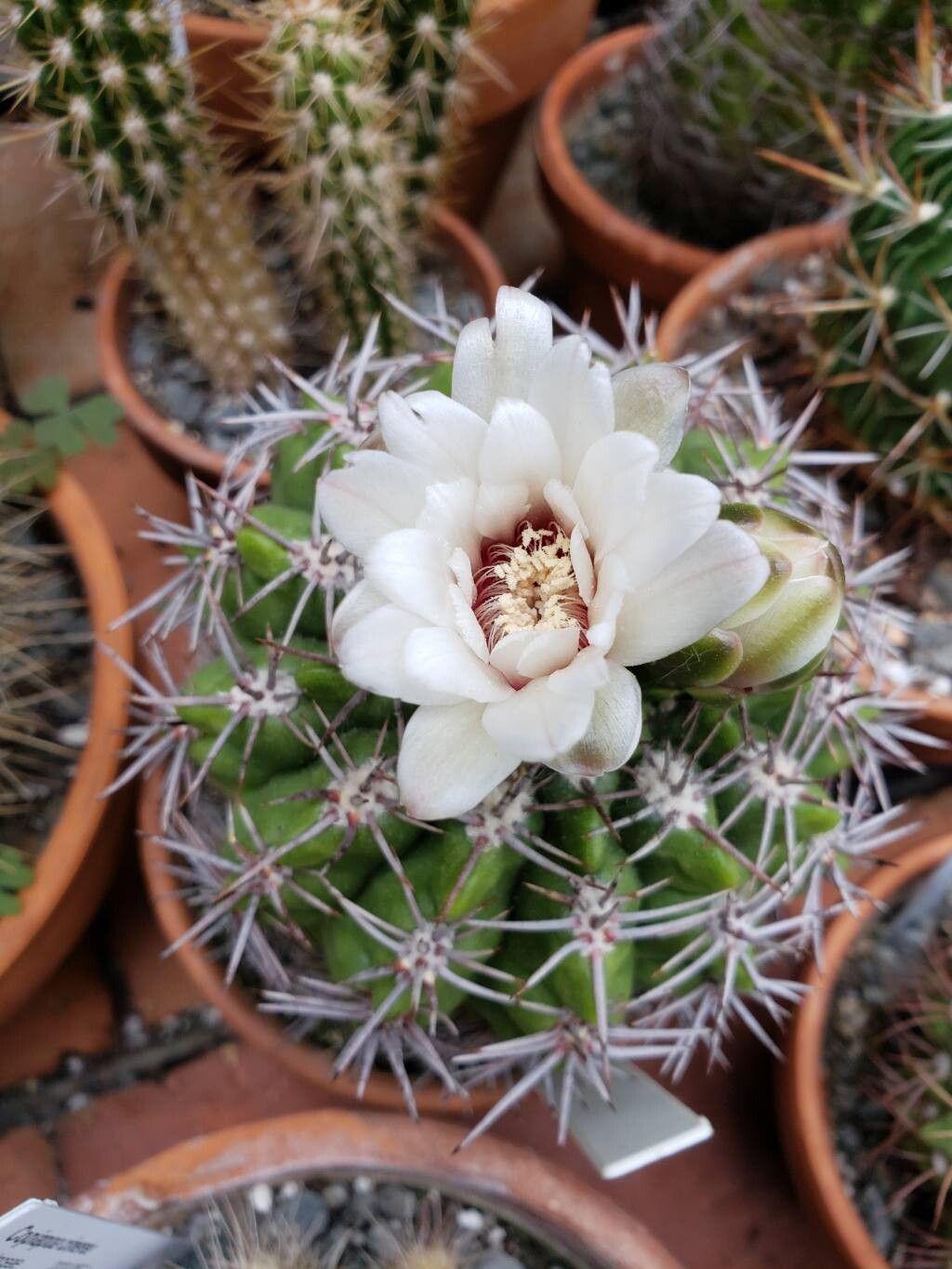
Oh, hello there! Come on in, grab a mug of your favorite brew. Today, we’re diving into the wonderful world of propagating one of my personal favorites: Gymnocalycium monvillei, often simply called the Chin Cactus. These little beauties, with their ribbed bodies and often vibrant flower colors, are like cheerful little gems in any collection. And the best part? They’re wonderfully rewarding to propagate. In my experience, Gymnocalycium monvillei is a pretty good plant for beginners dipping their toes into cactus propagation. It’s not overly fussy, which is always a huge plus!
The Best Time to Start
When you’re looking to multiply your Chin Cacti, spring and early summer are your best friends. This is when the plant is actively growing, shaking off its winter dormancy and really energized. Starting propagation just as things start warming up means your new cuttings or offsets will have the whole growing season ahead of them to establish themselves. It’s like giving them a head start on their new life!
Supplies You’ll Need
Here’s a little list of what you’ll want to have on hand before we get our hands dirty:
- Well-draining cactus mix: This is non-negotiable for cacti! I like to mix my own with about two parts potting soil, one part perlite or pumice, and a bit of coarse sand.
- Clean, sharp pruning shears or a sharp knife: We want clean cuts to avoid introducing disease.
- Rooting hormone (optional but recommended): A little sprinkle can really give your cuttings a boost.
- Small pots or containers: Terracotta pots are great because they breathe well. Make sure they have drainage holes!
- Plastic bags or a propagator: To create a humid environment for cuttings.
- Watering can with a fine rose or a spray bottle: For gentle watering.
- Labels and a marker: To keep track of what you’ve propagated and when.
Propagation Methods
Gymnocalycium monvillei is quite generous and can be propagated in a couple of easy ways.
1. Offset (Pup) Separation:
This is the dream method for Gymnocalycium monvillei. These cacti often produce little baby plants, called offsets or pups, around their base.
- Gently remove the parent plant from its pot. I usually do this over a newspaper or a tray to catch any falling soil.
- Locate the offsets. You’ll see these smaller cacti attached to the main stem.
- Using your clean knife or shears, carefully cut the offset away from the parent plant. Try to get a clean cut, and if possible, include a tiny bit of the parent’s tissue with the offset.
- Allow the offset to callus over. This is a crucial step. Place the offset on a dry paper towel in a bright, well-ventilated spot for 3-7 days, or even longer for larger offsets. You’ll see the cut end dry and form a tough, leathery scab. This prevents rot from setting in when you plant it.
- Pot up your callused offset. Fill your small pot with your well-draining cactus mix. Make a small indentation in the center and place the offset’s callused end into the soil. You don’t need to bury it deeply, just enough to keep it stable.
- Hold off on watering. Seriously, resist the urge! Wait at least a week or two after potting before the first light watering. This gives any tiny, invisible nicks on the bottom a chance to heal.
2. Stem Cuttings (Less Common, but Possible):
If you have a larger Gymnocalycium that’s gotten a bit leggy or you want to take a piece of it, you can try cuttings.
- Take a cutting. Using your clean knife, slice off a healthy section of the cactus stem. Again, aim for a clean cut.
- Allow it to callus. Just like with offsets, this step is absolutely essential. Let the cutting dry and form a callus over the cut end for about a week or even two.
- Pot it up. Place the callused end into your cactus mix. It might take a while for these to root, so be patient.
The “Secret Sauce” (Pro Tips)
Here are a few tricks I’ve learned over the years that can make a big difference:
- Sterilize your tools! Before you make any cuts, give your knife or shears a quick wipe with rubbing alcohol. This is your first line of defense against nasty fungal or bacterial infections.
- Don’t overwater early on. This is the biggest killer of new cactus propagations. They have no roots yet, so they can’t absorb much water. Watering too soon is a fast track to rot. Let the soil dry out completely between waterings, and even then, make them light.
- Consider a little warmth. While not strictly necessary, placing your newly potted cuttings or offsets on a heat mat can really speed up root development. Cacti love warmth, and gentle bottom heat encourages those roots to stir.
Aftercare & Troubleshooting
Once your Gymnocalycium babies have started to show signs of life – you might see a slight swelling at the base or even a tiny new growth spurting – you can start treating them like mature, albeit small, cacti. Water only when the soil is completely dry. They generally prefer bright, indirect light while they are establishing.
The most common issue you’ll encounter is rot. If you see your cutting or offset turning mushy, black, or smelly, it’s likely rot. Unfortunately, this is often difficult to recover from. If you catch it very early, you might be able to cut away the rotten section and try to callus and re-pot the healthy part, but often it’s best to start fresh. Remember, it’s all part of the learning curve! Another sign of failure is just a lack of any action – no growth after several months. This could be due to insufficient warmth, light, or simply a failure to root.
Happy Propagating!
So there you have it! Propagating Gymnocalycium monvillei is a truly satisfying process. It’s not about instant gratification, but rather the quiet joy of watching new life emerge with a little bit of your guidance. Be patient, enjoy the process, and before you know it, you’ll have a whole little army of these charming Chin Cacti. Happy gardening!
Resource: