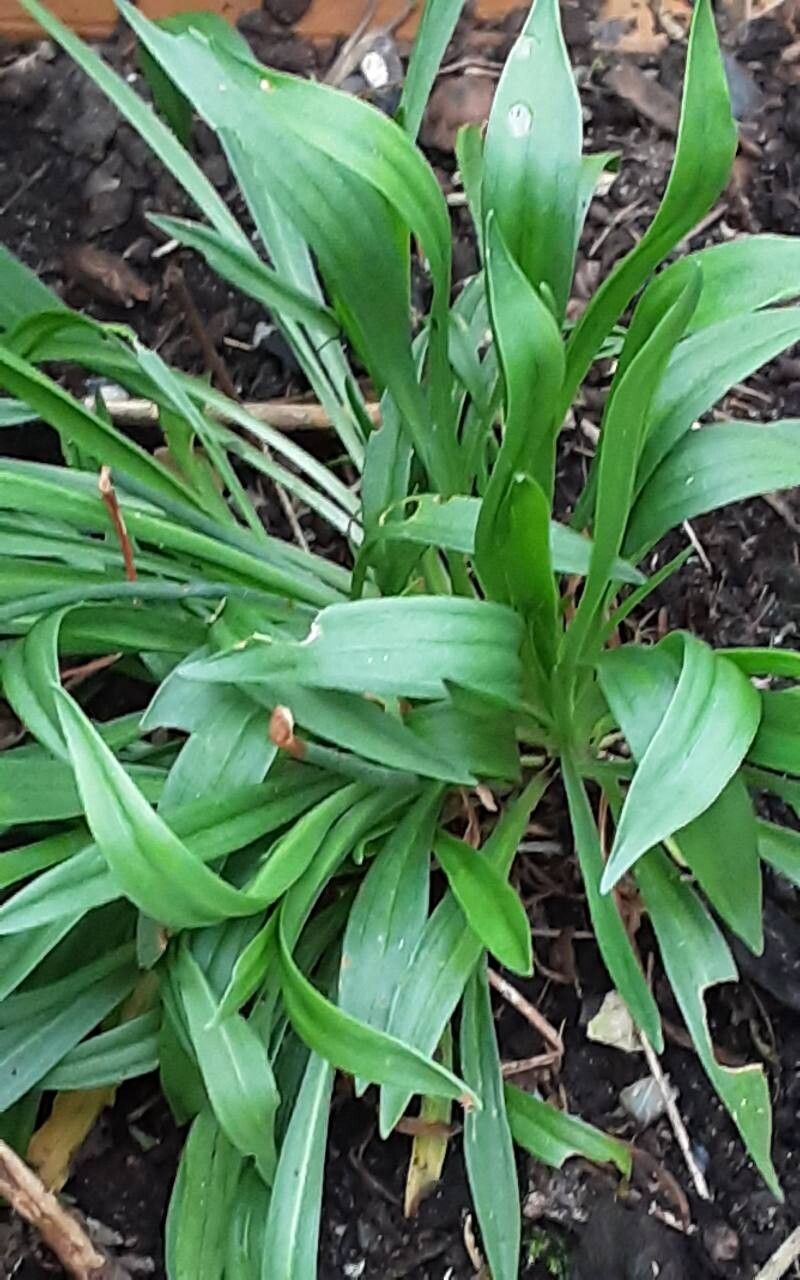
Oh, Armeria pseudarmeria! If you’ve ever admired those charming mounds of grassy foliage topped with cheerful, pom-pom flowers, you know exactly why this plant captures our hearts. Also known as the Thrift or Sea Pink, it’s a little gem that adds such lovely texture and color to the garden, especially in well-drained spots or rock gardens. And the best part? You can easily multiply your patch of happiness by propagating them. For beginners, I’d say it’s moderately easy – with a little patience, you’ll be a pro in no time!
When to Get Growing
The absolute best time to propagate Armeria pseudarmeria is in late spring to early summer, right after they’ve finished their main bloom cycle. This is when the plant is actively growing and has plenty of energy to put into new roots. You can also try in early autumn, but I find the success rate is a bit higher with that spring surge.
Your Propagation Toolkit
Here’s what you’ll want to have on hand:
- Sharp pruning shears or a clean knife: For making nice, clean cuts.
- Well-draining potting mix: I usually mix about 50% potting soil with 50% perlite or coarse sand. You can also buy a specific “cactus and succulent” mix.
- Small pots or seed trays: With drainage holes, of course!
- Rooting hormone (optional but helpful): A powder or liquid form. It really gives cuttings a boost.
- A spray bottle: For gentle misting.
- Plastic bags or a propagator lid: To create a humid environment.
Let’s Get Rooting!
Armeria pseudarmeria is a division superstar! This is generally my go-to method.
- Get Them Out: Gently dig up your Armeria plant. If it’s large, you might need a trowel or even a small spade. Try not to disturb the roots too much.
- Clean Off Excess Soil: Gently shake off some of the loose soil. You want to be able to see where the different crowns or clumps are.
- Find Your Divisions: Look for natural breaks in the root system. You’ll see where a clump has grown and started to form its own root ball or crown.
- Make the Cut: Using your sharp shears or knife, carefully slice through the root ball to separate a division. You want each division to have at least one healthy growth point and a good amount of roots. If you’re struggling to pull them apart, a clean cut is best.
- Plant Them Up: Pot each division into its own container filled with your well-draining mix. Make sure the base of the plant is at soil level.
- Water Gently: Give them a light watering. You don’t want to drown them, just settle the soil around the roots.
- Mist and Cover: Mist the foliage lightly with your spray bottle and then cover the pot with a clear plastic bag or a propagator lid. This keeps humidity high while the plant establishes.
While division is my favorite, you can also take stem cuttings from new growth in late spring. Take a 3-4 inch tip cutting, dip the cut end in rooting hormone (if using), and stick it into your well-draining mix. Again, mist and cover to maintain humidity.
My “Secret Sauce” Tips
Here are a few things I’ve learned over the years that really make a difference:
- Don’t Waterlog: Armeria absolutely hates wet feet. Even when propagating, ensure your mix is light and airy, and dump out any standing water from saucers. Overwatering is the fastest way to rot away your efforts.
- Patience is Key: For divisions, you might see new growth in a few weeks. For cuttings, it can take a bit longer, maybe 4-6 weeks. Don’t despair if you don’t see immediate action!
- Avoid Direct Sun: While they love a sunny spot in the garden, the leaves of newly divided or potted plants can scorch easily in direct sun. Keep them in bright, indirect light until they are well-established.
Looking After Your New Sprouts
Once you see signs of new growth, like tiny leaves emerging or the plant looking perky and firm, you’re on your way!
- Gradual Acclimatization: Slowly start to remove the plastic bag or propagator lid over a week or so to let the new plants get used to regular air.
- Watering: Continue to water when the top inch of soil feels dry to the touch.
- Transplanting: Once your new plants have developed a good root system and are growing well, you can transplant them into their permanent garden homes.
The most common issue you’ll encounter is rot. This is almost always due to overwatering or poor drainage. If you see leaves turning mushy and brown, or the base of the plant going soft and dark, it’s usually a sign of too much moisture. It’s tough to save something that’s gone that far, but next time, remember: drainage, drainage, drainage!
So there you have it! Propagation can be such a satisfying part of gardening, and sharing your love for Armeria by gifting divisions or cuttings is truly special. Be patient with your new plants, learn from each attempt, and most importantly, enjoy the green journey! Happy propagating!
Resource:
https://identify.plantnet.org/k-world-flora/species/Armeria%20pseudarmeria%20(Murray)%20Mansf./data