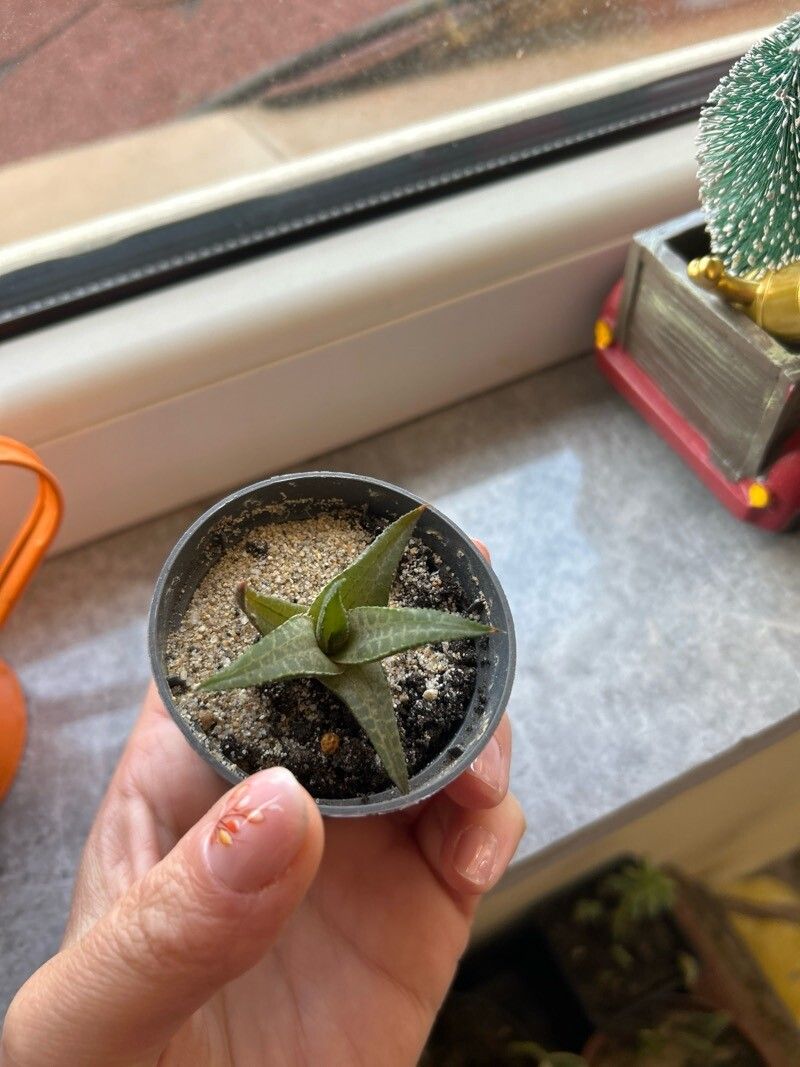
Hello there, fellow plant lovers! Today, we’re diving into the wonderful world of Haworthiopsis venosa. If you love succulents with a bit of architectural flair and intriguing texture, you’ll adore these beauties. Their elegant, spiky rosettes are like little sculptures, and the way the light catches their translucent leaf tips is just magical.
And the best part? They’re surprisingly easy to propagate. This means you can easily create more of these desert delights to fill your home or share with friends. Even if you’re just starting your succulent journey, I think you’ll find this a very rewarding project.
The Best Time to Start
For Haworthiopsis, the sweet spot for propagation is generally when the plant is in its active growing season. Think spring and early summer. You’ll often see new offsets popping up around the base of a mature plant during this time, making it the perfect opportunity to gently separate them.
Supplies You’ll Need
Gathering a few simple things will make the process smoother:
- Well-draining potting mix: A cactus or succulent mix is ideal. You can also make your own by combining potting soil with perlite or pumice.
- Sharp, clean pruning shears or a craft knife: Sterilize them with rubbing alcohol first!
- Rooting hormone (optional): This can give your cuttings a little boost, especially if you’re a bit nervous.
- Small pots or shallow trays: Whatever you have that can hold your new plants.
- A watering can or spray bottle: For gentle watering.
- Newspaper or paper towels: To let cuttings callous.
Propagation Methods
Haworthiopsis are pretty straightforward, and my favorite methods involve the babies they naturally produce.
1. Division (Offset Separation)
This is often the easiest and most successful method for Haworthiopsis.
- Gently remove the parent plant from its pot. It’s often easier to do this a day or two after watering, so the soil is a little looser.
- Examine the base of the plant. You’ll usually see small baby plants, called offsets, growing around the mother.
- Use your sharp, clean tool to carefully separate an offset. Try to get a bit of root attached to the offset if possible. If it separates cleanly from the mother with no roots, that’s okay too – it will just take a little longer to establish.
- Let the separated offset “callous over” for a couple of days in a dry, well-lit spot. This means the cut end will dry and form a protective layer. This step is crucial to prevent rot.
- Plant the calloused offset in your well-draining potting mix. Just tuck the base of the plant into the soil. Don’t water it immediately. Wait about a week to give it a chance to settle in.
2. Stem Cuttings (Less Common for This Species, But Possible)
While offsets are the star, you can propagate from leaf or stem cuttings if you’re feeling adventurous.
- Carefully twist or cut off a healthy leaf or a small rosette from a mature plant. Make sure to get a clean break where it attaches to the main stem.
- Allow the cutting to callous over for at least 3-7 days. Patience here is key!
- Lay the calloused cutting on top of your succulent potting mix, or gently insert the cut end about half an inch into the soil.
- Mist lightly with water every few days, but avoid letting the soil become soggy.
The “Secret Sauce” (Pro Tips)
Here are a few things I’ve learned over the years that make a difference:
- Don’t skip the callousing step! I know it’s tempting to plant right away, but letting that cut end dry is your best defense against rot. It’s like giving your little plant a protective scab.
- Think “dry then a little wet.” When you first plant your offsets or cuttings, don’t drench them. Let the soil dry out between waterings, especially in the beginning. Overwatering is the quickest way to lose a new propagation.
- A touch of bottom heat can work wonders. If you’re propagating in a cooler time of year or just want to speed things up, placing your pots on a seedling heat mat set to a low temperature (around 70-75°F or 21-24°C) can encourage root development.
Aftercare & Troubleshooting
Once your Haworthiopsis propagation starts to show signs of life – new growth or visible roots – you can start treating it more like a mature plant. Water thoroughly when the soil is dry, and ensure it has plenty of bright, indirect light.
The most common problem is rot. You’ll know if rot is setting in if the offset or cutting becomes mushy, discolored (often brown or black), and simply won’t firm up. If you spot this, sadly, it’s usually too late for that particular piece. Prevention is key, so focus on proper callousing and not overwatering. Another sign of distress can be shriveling, which might indicate it’s too dry or not getting enough light.
A Little Patience Goes a Long Way
Propagating Haworthiopsis venosa is a wonderful way to expand your collection without spending a dime. It might take a few weeks, or even a couple of months, to see significant root development or new growth. Don’t get discouraged! Just keep giving your new plants the right conditions, and soon you’ll be rewarded with happy, thriving tiny Haworthiopsis. Enjoy the process and the satisfaction of growing your own!
Resource: