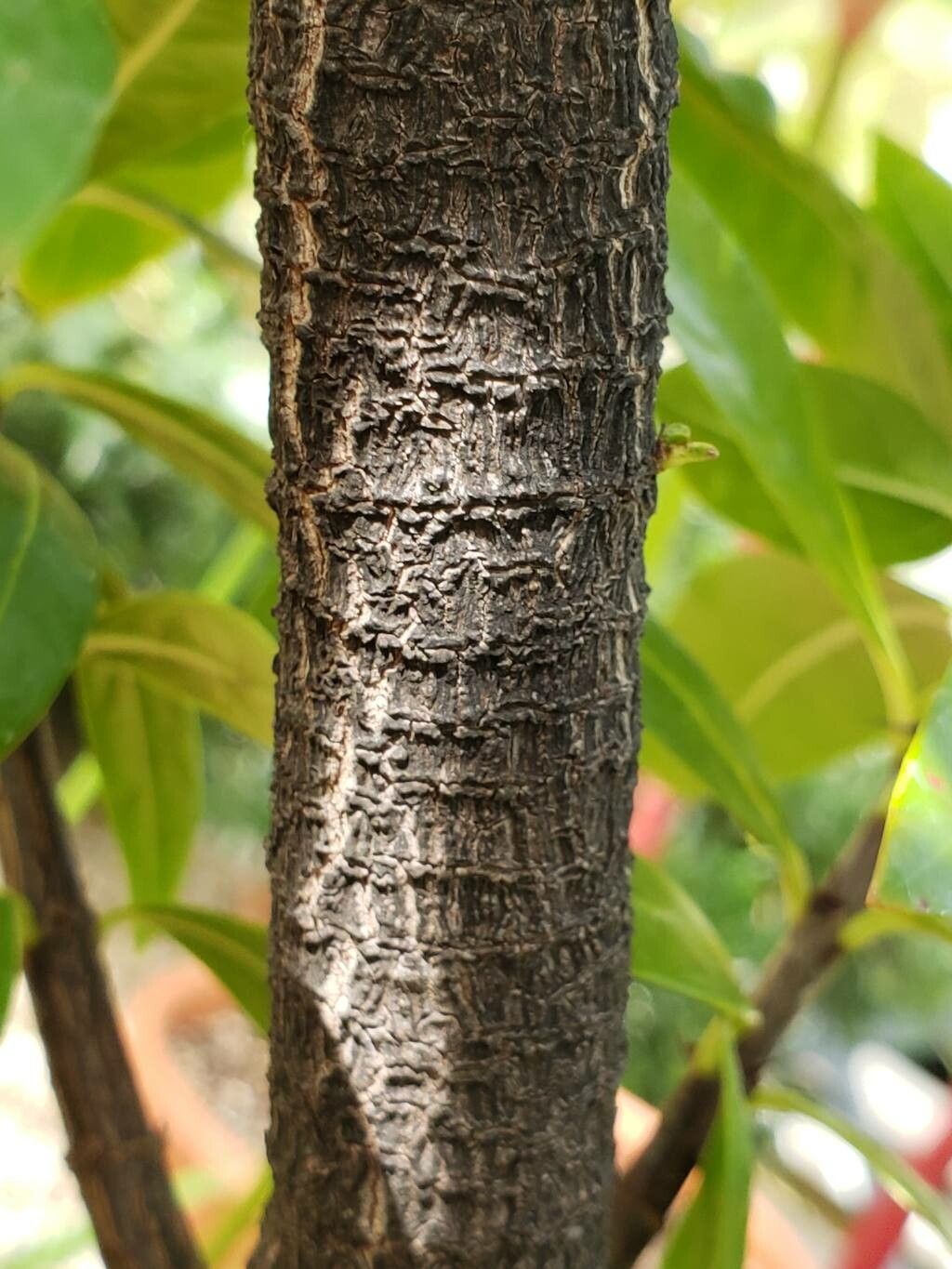
Oh, the joys of a garden that keeps on giving! Today, we’re diving into something truly special: Augusta rivalis. If you’ve ever admired its graceful form and wondered how to expand your collection, you’re in for a treat. Propagating this beauty is a wonderfully rewarding experience, and I’m thrilled to share my secrets with you. Is it an easy starter project? For those new to the plant world, I’d say it’s moderately easy – with a little patience and the right approach, you’ll be amazed at what you can achieve.
The Best Time to Start
My go-to time for propagating Augusta rivalis? Late spring to early summer. This is when the plant is in its prime growth phase, soaking up all that sunshine. You’ll find it’s much more responsive to cuttings and divisions, and the new growth has the energy to really take off. Look for healthy, non-flowering stems. They’re packed with the vigor we need.
Supplies You’ll Need
Here’s what I like to have on hand before I begin:
- Sharp Pruning Shears or a Clean Knife: For making clean cuts.
- Small Pots or Seed Starting Trays: Clean and with drainage holes are a must.
- Well-Draining Potting Mix: I often use a mix of equal parts peat moss, perlite, and coarse sand. A good quality seed starting mix works beautifully too.
- Rooting Hormone (Optional but recommended): A powder or gel can significantly boost success rates.
- Plastic Bags or a Small Greenhouse: To create a humid environment.
- Watering Can with a Fine Rose: For gentle watering.
- Labels and a Pen: To keep track of your projects!
Propagation Methods
There are a couple of ways we can coax new Augusta rivalis plants into existence:
1. Stem Cuttings
This is my most frequent method, and it’s incredibly satisfying to see those little roots emerge.
- Take Your Cuttings: Select a healthy, mature stem that isn’t flowering. Using your clean shears, cut a piece about 4-6 inches long, making the cut just below a leaf node (where a leaf emerges from the stem).
- Prepare the Cutting: Gently remove the lower leaves from the cutting, leaving just the top two or three. This prevents them from rotting in the soil. If you’re using rooting hormone, dip the cut end into the powder or gel now.
- Plant Your Cuttings: Fill your small pots or trays with your prepared potting mix. Make a small hole with your finger or a pencil and gently insert the cut end of the stem. Firm the soil around it.
- Create a Humid Environment: Water the soil gently. Then, cover the pot or tray with a clear plastic bag (you can use a zip-top bag or even stretch a plastic film over it). Prop the bag up with a stick or two so it doesn’t touch the leaves.
2. Division
If you have a mature plant that’s looking a little crowded, division is a fantastic way to get multiple new plants.
- Carefully Remove the Plant: Gently take the entire Augusta rivalis plant out of its pot, or dig it up from the garden.
- Examine the Root Ball: You’ll often see distinct clumps or sections of the plant with their own root systems.
- Separate the Divisions: Using your hands or a clean trowel or knife, carefully tease apart the root ball into smaller sections. Aim for divisions that have at least a few healthy stems and a good amount of roots. Don’t be afraid to be a little firm.
- Pot Up Your Divisions: Pot each division into its own container with fresh, well-draining potting mix. Water thoroughly.
The “Secret Sauce” (Pro Tips)
Here are a few little tricks I’ve picked up over the years that make a big difference:
- Don’t let those lower leaves touch the soil! Honestly, this is a cardinal rule. Any leaf tissue in contact with damp soil is a party waiting for rot to crash. Keep them clear, even if it means trimming a bit off the stem.
- Bottom heat is a game-changer. If you can, place your pots on a heating mat designed for seedlings. It warms the soil and encourages root formation much faster than room temperature alone. It’s like a little spa treatment for your cuttings.
- Freshness counts. When taking stem cuttings, try to get them into soil or water as soon as possible after cutting. The longer they sit around, the more likely they are to dehydrate and lose their will to live.
Aftercare & Troubleshooting
Once you’ve got your new plants potted, keep them in a bright, indirect light spot. The plastic bag will keep them humid, which is crucial while they’re establishing. Mist the leaves occasionally if the soil starts to dry out too much, but avoid overwatering. You want the soil to be consistently moist, not soggy.
The most common sign of trouble is rot. If your cuttings start to look mushy or black at the base, or if you notice fuzzy mold on the soil, it’s usually a sign of too much moisture and not enough air circulation. Pull out any affected bits immediately and try to let the soil dry out a bit more. It’s a learning process, and sometimes things just don’t work out – that’s perfectly okay!
A Encouraging Closing
So there you have it! Propagating Augusta rivalis is a journey, and each success is a small victory to celebrate. Be patient with your new little charges. Not all cuttings will make it, but the ones that do will bring you so much joy. Enjoy the process, watch them grow, and most importantly, have fun in your garden!
Resource:
https://identify.plantnet.org/k-world-flora/species/Augusta%20rivalis%20(Benth.)%20J.H.Kirkbr./data