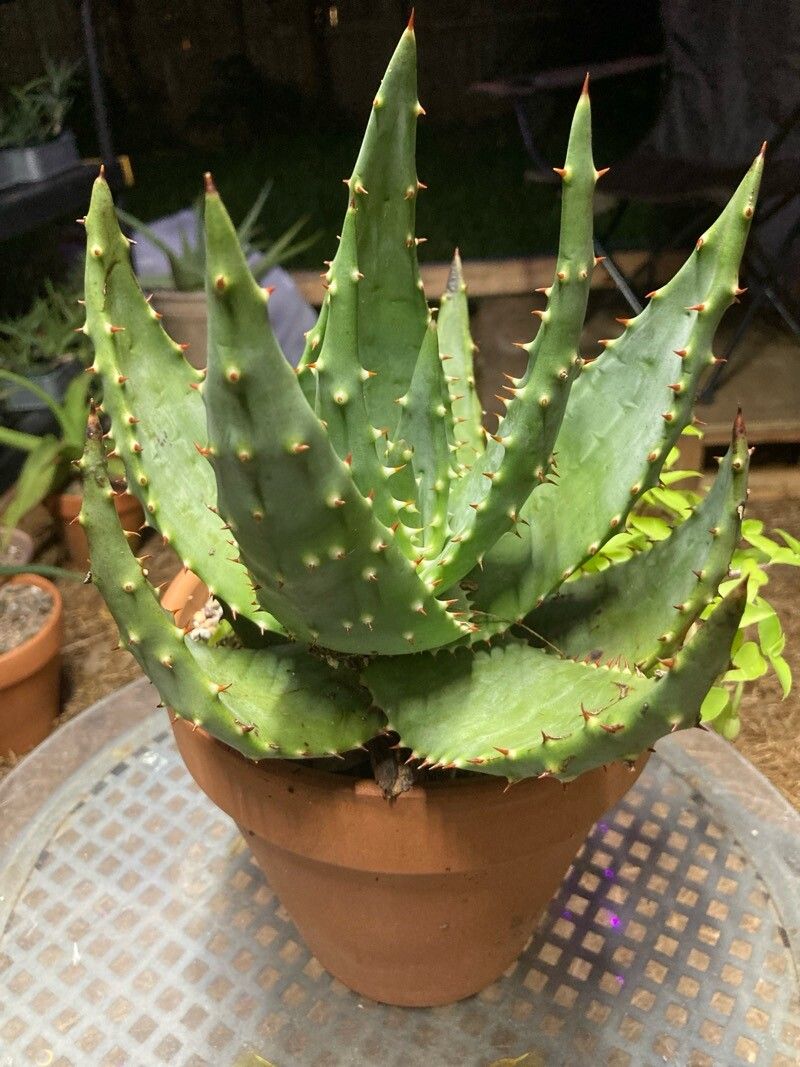
Oh, hello there! Welcome to my little corner of the internet where we chat about all things green and growing. Today, we’re diving into the wonderful world of succulent propagation, specifically with the spiky beauty, Aloe aculeata.
Why Propagate Aloe aculeata?
There’s something so incredibly satisfying about creating new life from an existing plant. And Aloe aculeata? It’s a stunner with its architectural form and those charming, spiky edges! Propagating it means you can share these beauties with friends (and maybe even expand your own collection!), all while learning a bit more about how these resilient plants thrive. Good news for beginners: propagating Aloe aculeata is generally quite straightforward. It’s a fantastic plant to start your propagation journey with!
The Best Time to Start
For the highest success rate, spring is your best friend. This is when your Aloe aculeata is actively growing and has the energy to put forth roots. Look for signs of new growth, like plump leaves or even tiny pups (baby plants) emerging from the base. Starting when the plant is in its vigorous growth phase makes all the difference.
Supplies You’ll Need
Let’s gather our tools. You won’t need much, but having the right things on hand will make the process smoother:
- Sharp pruning shears or a clean knife: For making clean cuts.
- Well-draining potting mix: A cactus or succulent mix is ideal.
- Terracotta pots: These breathe well and help prevent waterlogging.
- Rooting hormone (optional): This can give your cuttings a little boost, but many succulents root just fine without it.
- Watering can or spray bottle: For gentle watering.
- Gloves (optional): Those spines can be a bit pokey!
Propagation Methods
Aloe aculeata is typically propagated through division or by using offsets, often called “pups.”
Method 1: Dividing Pups (The Easiest Way!)
This is the most common and successful method for Aloe aculeata.
- Identify the pups: Look at the base of your mature plant. You’ll see smaller plantlets, or pups, growing right alongside it.
- Gently loosen the soil: Carefully dig around the base of the pup you want to separate. The goal is to free it from the mother plant while keeping as much of its root system intact as possible.
- Make the cut: If the pup is firmly attached, use your sharp pruning shears or knife to cleanly sever the connection to the mother plant. Try to get a few small roots with the pup if you can.
- Let it callous: This is a crucial step! Place the separated pup in a dry, shaded spot for 2-3 days. This allows the cut end to dry and form a scab, preventing rot when you plant it.
- Potting up: Fill a small terracotta pot with your well-draining potting mix. Make a small indentation in the center and place the calloused pup in it, ensuring the roots are covered.
- Initial watering: Water very sparingly at first. Wait a week or so after potting to give any tiny wounds on the roots time to heal before introducing water.
Method 2: Leaf Cuttings (Less Common but Possible)
While Aloe aculeata is more reliably propagated from pups, you can sometimes get a new plant from a healthy leaf.
- Take a cutting: Select a healthy, plump leaf from the mother plant. Twist or cut it cleanly at the base.
- Let it callous: Just like with pups, you MUST let the cut end dry and form a hard callus. This can take anywhere from 3 days to a week or more, depending on humidity. Patience here is key to avoiding rot.
- Plant the leaf: Lay the calloused leaf on top of your well-draining potting mix, with the cut end slightly buried or just touching the soil.
- Water sparingly: Mist the soil lightly now and then, but avoid getting the leaf itself wet. Roots and eventually a new plant will emerge from the calloused end. This method takes much longer and isn’t always successful, so don’t be discouraged if it doesn’t work every time.
The “Secret Sauce” (Pro Tips)
Here are a few things I’ve learned over the years that make a difference:
- Don’t rush the callous: I cannot stress this enough. That dry, scabbed-over end is your best defense against rot, especially with succulents. If it looks a little damp, leave it out longer!
- Bottom heat is a marvel: If you can, place your newly potted pups on a seedling heat mat set to a low temperature (around 70°F / 21°C). This gentle warmth encourages root development from below.
- Light, but not direct sun, is best: Once potted, place your new cuttings in a bright location, but out of harsh, direct sunlight. Too much sun can scorch tender new growth.
Aftercare & Troubleshooting
Once your pup is potted, give it some space. Water only when the soil is completely dry, and that might be a few weeks for the very first watering. As roots develop, the pup will start to look more robust and might even put out new leaf growth.
The most common problem you’ll encounter is rot. If a pup or leaf cutting turns mushy, black, and smelly, it’s likely rotted. This usually happens if the cut wasn’t properly calloused or the soil stayed too wet. If you catch it early, you might be able to cut away the rotted part and re-callous the healthy portion, but sometimes it’s better to start over. Yellowing leaves that are soft and limp can also indicate overwatering.
A Little Patience Goes a Long Way
Propagating Aloe aculeata is a rewarding process that teaches us about the resilience and beauty of nature. With a little care and patience, you’ll soon have a whole new generation of these spiky delights. Enjoy the journey, and happy gardening!
Resource:
https://identify.plantnet.org/k-world-flora/species/Aloe%20aculeata%20Pole-Evans/data