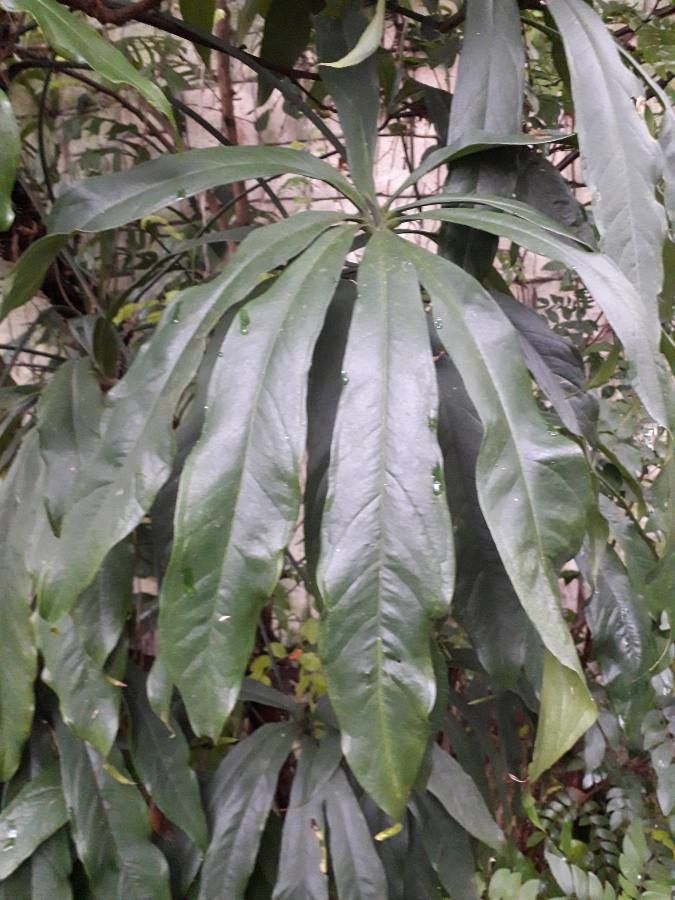
Hello fellow plant lovers! Today, let’s talk about a plant that truly stole my heart: Philodendron cretosum. If you’ve seen its gorgeous, velvety leaves with their delicate silver veining, you understand the allure. It’s like a little piece of forest magic you can bring right into your home.
The best part? Propagating Philodendron cretosum is a genuinely rewarding experience. Watching a tiny cutting unfurl its first leaf is a thrill that never gets old. For beginners, I’d say it’s a moderate challenge – not the absolute easiest, but certainly achievable with a little attention and care. You’ve got this!
The Best Time to Start
The sweet spot for propagating Philodendron cretosum is during its active growing season. Think spring and summer. During these warmer months, the plant has more energy, which means it’s more likely to produce healthy roots and leaves quickly. You can also attempt it in early autumn, but don’t be surprised if things move a bit slower.
Supplies You’ll Need
Here’s what you’ll want to have on hand:
- Sharp, clean pruning shears or a knife: Crucial for making clean cuts that heal well.
- Potting mix: A well-draining blend is key. I love using a mix of chunky perlite, orchid bark, and coco coir. You can also just use a good quality indoor potting mix with added perlite.
- Small pots or containers: Terracotta or plastic are fine. Make sure they have drainage holes.
- Rooting hormone (optional but recommended): This willow-bark concoction really gives your cuttings a helpful boost.
- Water: For water propagation or moistening your soil.
- A clear plastic bag or a propagation box (optional): To create a humid environment.
Propagation Methods
There are a couple of my favorite ways to get more Philodendron cretosum babies!
Stem Cuttings
This is probably the most common and effective method for philodendrons.
- Find a healthy stem: Look for a healthy, mature stem on your plant. You want to make sure your cutting has at least one node. A node is a little bump on the stem where a leaf grows from. This is where new roots will sprout.
- Make the cut: Using your clean shears, cut the stem a few inches below the node. You can include a leaf or two on your cutting – just make sure at least one node is present. If your cutting has more than two leaves, it’s a good idea to snip off the lowest leaf to prevent it from rotting once you plant it.
- Apply rooting hormone: Dip the cut end of the stem into your rooting hormone powder, tapping off any excess.
- Pot it up: Fill your small pot with your well-draining potting mix. Make a small hole in the center with your finger or a pencil. Gently insert the cutting into the hole, making sure the node is buried in the soil. Firm the soil around the stem.
- Water gently: Water the soil until it’s evenly moist but not waterlogged.
Water Propagation
This method is super satisfying if you love watching roots grow!
- Prepare your cutting: Follow steps 1 and 2 above for stem cuttings. Again, ensure you have at least one node.
- Place in water: Find a clean jar or glass. Fill it with room temperature water. Submerge the cut end of the stem in the water, making sure the node is under the water. If you have leaves close to the cut, don’t let them touch the water. They will rot.
- Find a good spot: Place the jar in a bright location with indirect light. Avoid direct sun, which can scorch the leaves.
- Change the water: Every few days, change out the water to keep it fresh and prevent bacterial growth. You’ll start to see tiny white roots emerging from the node within a couple of weeks.
The “Secret Sauce” (Pro Tips)
Here are a few little tricks I’ve picked up over the years:
- Don’t over-pot: For cuttings, smaller pots are better. They help the soil dry out faster, reducing the risk of rot. A 3-4 inch pot is usually perfect.
- Bottom warmth is a game-changer: If you have a heat mat or can place your pots on top of a warm appliance (like a router), it makes a HUGE difference. This gentle bottom heat encourages root development like nothing else!
- Humidity is your friend: While not absolutely essential for soil-propagated cuttings, creating a humid microclimate can really speed things up. Cover your pot with a clear plastic bag (propping it up so it doesn’t touch the leaves) or use a small propagation box. Just remember to open it for a few minutes each day to allow for air circulation.
Aftercare & Troubleshooting
Once you see those lovely new roots poking out of the drainage holes (or they’re a good inch or two long in water), it’s time for them to live in their own pot!
- For soil cuttings: If you propagated in water, wait until your roots are at least an inch long before transplanting them into your well-draining potting mix. Gently place them in their new pot and water as usual.
- For potted cuttings: Continue to keep the soil consistently moist but never soggy. As new leaves start to unfurl, you can gradually ease back on the watering.
- Signs of trouble: The biggest enemy of cuttings is rot. If your stem turns mushy and black at the soil line, or your leaves start to yellow and fall off with no new growth, it’s a sign of too much moisture or poor drainage. If you catch it early, you might be able to salvage a healthy node by re-cutting and starting over. Brown, crispy leaf edges? That’s usually a sign the soil is too dry for too long.
Happy Propagating!
Growing new plants from cuttings is such a fulfilling part of gardening. It’s a little act of faith, watching that tiny piece of stem transform into a thriving plant. Be patient, pay attention to what your cutting needs, and most importantly, enjoy the journey. You’ll have a whole army of Philodendron cretosum in no time!
Resource: