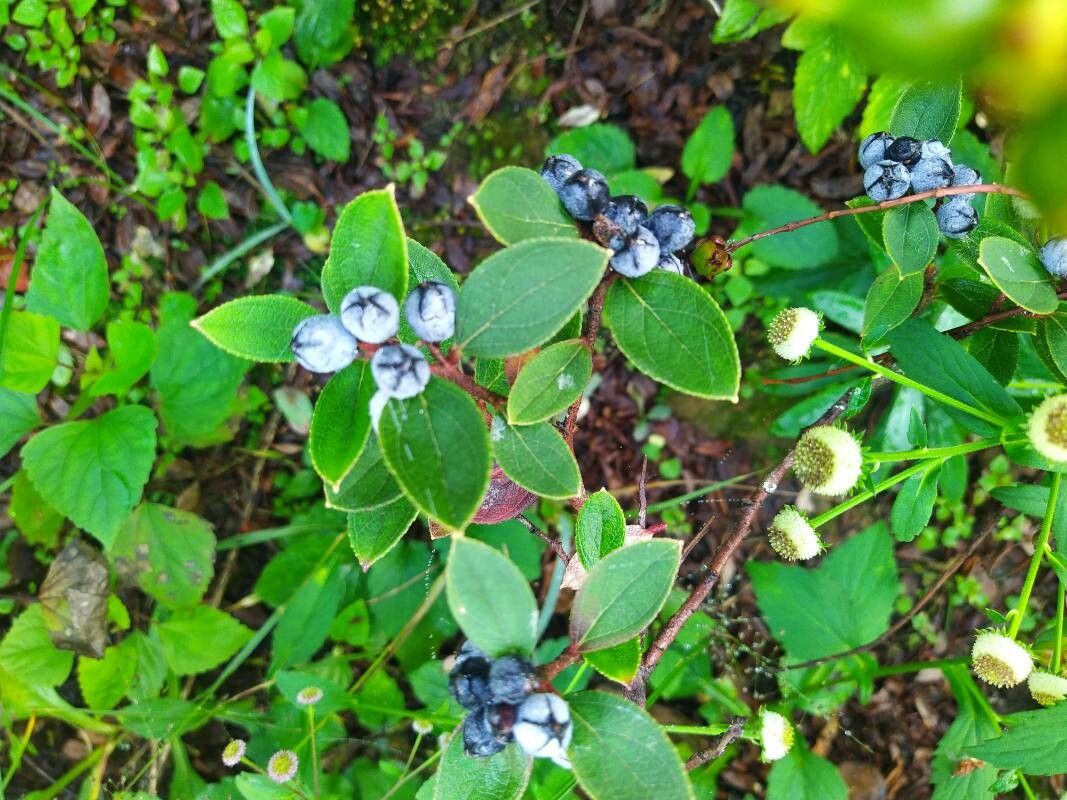
Hey there, fellow plant lovers! It’s so wonderful to connect with you again in my little corner of the internet. Today, we’re diving into the world of a truly charming plant, Gaultheria hookeri. If you’ve ever admired those glossy, evergreen leaves and delicate little bell-shaped flowers, you’re in for a treat. Propagating this beauty is a fantastic way to share its magic or simply expand your own collection. It’s not an exceptionally difficult plant to propagate, but it does appreciate a bit of mindful attention, making it a rewarding experiment for both newer and seasoned gardeners.
The Best Time to Start
Timing is everything, as we all know in the garden! For Gaultheria hookeri, I’ve found that the late spring to early summer is your prime window. This is when the plant is actively growing, producing new, semi-hardened stems that are perfect for taking cuttings. Think of it as grabbing that sweet spot before the growth gets too woody.
Supplies You’ll Need
Before we get our hands dirty, let’s gather our essentials. You won’t need anything too fancy, just a few trusted companions:
- Sharp Pruning Shears or a Craft Knife: Cleanliness is key to prevent disease.
- Rooting Hormone (Optional, but Recommended): A little boost can go a long way. Look for one specifically formulated for stem cuttings.
- Well-Draining Potting Mix: I like to use a blend of peat moss or coco coir with perlite or coarse sand. A mix for acid-loving plants is ideal.
- Small Pots or Trays: Clean pots with drainage holes are a must.
- Plastic Bags or a Propagator Lid: To create a humid environment.
- Watering Can with a Fine Rose: For gentle watering.
- Small Labels and a Marker: To keep track of your experiments!
Propagation Methods
Let’s talk about getting more Gaultheria hookeri babies!
Stem Cuttings: My Go-To Method
This is my favorite way to propagate Gaultheria hookeri, and usually the most successful.
- Select Your Cuttings: Find healthy, vigorous stems from your mature plant. Look for stems that are somewhat flexible but are no longer bright green and flimsy. Aim for cuttings that are about 4-6 inches long.
- Make the Cut: Using your clean shears or knife, take the cutting just below a leaf node. This is the spot where a leaf attaches to the stem.
- Prepare the Cutting: Gently remove the lower leaves from the cutting, leaving only the top 2-3 leaves. This helps prevent them from rotting in the soil and reduces water loss. If the remaining leaves are very large, you can even snip them in half.
- Apply Rooting Hormone: Dip the cut end of the stem into your rooting hormone, tapping off any excess. This step is optional, but it really does encourage faster root development.
- Potting Up: Fill your small, clean pots with your well-draining potting mix. Make a small hole in the center of the soil with your finger or a pencil.
- Insert the Cutting: Gently place the prepared cutting into the hole, ensuring the leaf nodes are just below the soil surface. Firm the soil around the stem to keep it upright.
- Water and Cover: Water gently. Then, cover the pot with a plastic bag or place a propagator lid over it. This creates a mini-greenhouse to keep humidity high, which is crucial for cuttings. Prop an a little opening if you see condensation building up too much.
The “Secret Sauce” (Pro Tips)
Here are a couple of little tricks I’ve learned over the years that really seem to make a difference:
- Ditch the Debris: If you ever try water propagation (though I don’t recommend it for Gaultheria hookeri as much as cuttings), never let any leaves touch the water. They’ll rot in a heartbeat and can take your whole cutting down with them.
- Gentle Heat: For cuttings, especially if you’re trying them a bit earlier or later in the season, a little bit of bottom heat can be a game-changer. A heated propagator mat or placing pots on top of a warm appliance can encourage root formation much faster. Just be careful not to overheat!
Aftercare & Troubleshooting
Once your cuttings are nestled in their new homes, it’s time for a little TLC.
- Placement: Keep the pots in a bright spot, but out of direct sunlight. Too much sun can scorch those delicate new cuttings.
- Humidity: Keep the humidity high. Mist the leaves occasionally if you don’t have a propagator lid, and check the soil moisture regularly. It should be kept consistently moist but not soggy.
- Rooting Patience: Roots can take anywhere from 4-8 weeks, sometimes longer, to develop. You can gently tug on a cutting to feel for resistance – that’s a good sign of roots! You might also see tiny new leaves emerging.
- Troubleshooting Rot: The most common failure is rot. If you see your cutting turning mushy or black at the base, it’s likely too wet or not draining well. Unfortunately, once rot sets in, it’s usually game over. This is why good drainage and careful watering are so important. A bit of preventative fungicide in the soil mix can help if you’re prone to this issue.
A Encouraging Closing
Propagating plants is a dance with nature, and it’s always an adventure. Don’t be discouraged if your first few attempts aren’t perfect; that’s how we all learn! Be patient, observe your cuttings, and celebrate every tiny sign of progress. The joy of watching a new plant emerge from what was once just a stem is truly special. Happy propagating, and may your Gaultheria hookeri dreams blossom!
Resource:
https://identify.plantnet.org/k-world-flora/species/Gaultheria%20hookeri%20C.B.Clarke/data