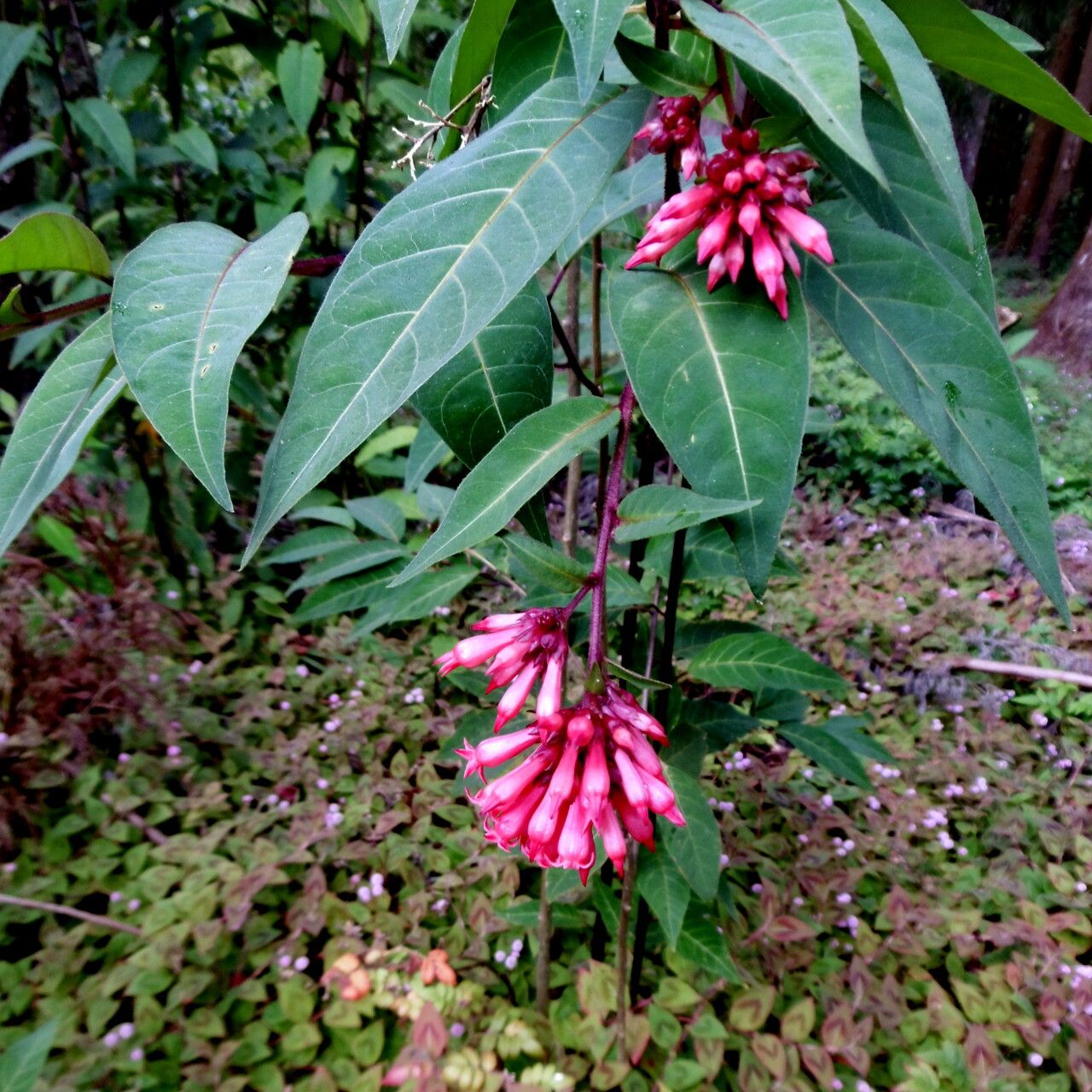
Oh, hello there, fellow plant lover! I’m so glad you’ve stopped by. Today, we’re diving into the wonderful world of propagating Cuphea ignea, or as many of us affectionately call it, the Firecracker Plant.
Why You’ll Love Propagating Firecracker Plants
There’s something truly magical about taking a tiny piece of a plant and watching it grow into something new. And the Firecracker Plant? It’s a star! With its cheerful, tubular red and yellow flowers that look like, well, firecrackers exploding, it’s a magnet for hummingbirds and a delight to any garden. It’s also surprisingly forgiving, making it a fantastic choice for gardeners of all levels, even those just dipping their toes into propagation. You’ll have more of these beauties to fill pots, borders, or even share with friends!
The Best Time to Start
For the highest success rate with Cuphea ignea, I always recommend propagating in late spring or early summer. This is when the plant is actively growing, and its stems are usually nice and pliable, making them perfect for taking cuttings. Aim for when your mature plant is looking lush and full, not when it’s stressed from extreme heat or a cold snap.
Supplies You’ll Need
Gathering your supplies before you start makes the whole process much smoother. Here’s what I usually have on hand:
- Sharp pruning shears or a clean knife: For making clean cuts.
- Small pots or trays: With drainage holes are a must!
- Well-draining potting mix: A good blend of peat moss, perlite, and a bit of compost works wonders. Or, a pre-made succulent/cactus mix is often a great starting point.
- Rooting hormone (optional but recommended): This little helper can significantly boost your success rate.
- Plastic bags or a propagation dome: To create a humid environment.
- Watering can with a fine rose or spray bottle: For gentle watering.
Propagation Methods: Let’s Get Growing!
The most reliable way to propagate Cuphea ignea is through stem cuttings. It’s straightforward and you can usually get several new plants from one mature specimen.
Stem Cuttings: Step-by-Step
- Select your cutting: Look for a healthy, non-flowering stem that’s about 4-6 inches long. You want a stem that’s relatively firm but not woody.
- Make the cut: Using your clean shears or knife, make a clean cut just below a leaf node (where a leaf attaches to the stem). This is where roots are most likely to form.
- Prepare the cutting: Gently remove the lower leaves, leaving only the top 2-3 sets of leaves. This helps the cutting focus its energy on rooting rather than supporting too many leaves.
- Dip in rooting hormone (optional): If you’re using rooting hormone, dip the cut end of the stem into the powder or gel according to the product’s instructions. Tap off any excess.
- Plant your cuttings: Fill your small pots with your well-draining potting mix and moisten it slightly. Make a small hole in the center with your finger or a pencil. Insert the cut end of your Cuphea stem into the hole, ensuring the bottom leaf nodes are buried. Gently firm the soil around the stem.
- Create humidity: Water your cuttings gently. Then, cover the pot with a clear plastic bag or place it under a propagation dome. This creates a mini-greenhouse effect, keeping the humidity high, which is crucial for cuttings to root. Make sure the leaves don’t touch the plastic if possible.
- Provide light and warmth: Place your pots in a bright location that receives indirect sunlight. Avoid direct sun, as it can scorch the delicate cuttings. A warm spot is ideal.
The “Secret Sauce” (Pro Tips)
Here are a few tricks I’ve learned over the years that can really give your propagation efforts a boost:
- Don’t be afraid to experiment with stem lengths: While 4-6 inches is a good starting point, I’ve had success with slightly shorter or longer cuttings too. It’s often about finding those healthy, pliable stems.
- Bottom heat is your friend: If you have space, placing your potted cuttings on a heat mat designed for seedlings can dramatically speed up root development. It mimics the warmth of spring soil.
- Consider a “shock soak” for slightly tougher stems: If you’re struggling with very woody stems, after making the cut, you can let the cutting sit in a shallow dish of water for an hour or two before dipping in rooting hormone and planting. It helps rehydrate the stem.
Aftercare & Troubleshooting
Once your cuttings are planted, the real patience game begins!
- Keep them consistently moist but not soggy: Check the soil daily. If the top inch feels dry, give it a gentle watering. The humidity dome should keep the soil from drying out too quickly, but don’t forget to peek.
- Ventilate occasionally: To prevent mold and mildew, lift the plastic bag or dome for a few minutes each day to allow for some air circulation.
- Look for roots: After a few weeks, you should start to see signs of new growth, like tiny leaves unfurling. You can also give the cutting a very gentle tug to feel for resistance, indicating root formation. Don’t pull too hard!
- Signs of trouble: The most common issue is rot, indicated by stems turning mushy and black, often with a foul smell. This usually means too much moisture and not enough air circulation. If you see this, it’s best to discard the affected cuttings and start again, ensuring better drainage and ventilation. Yellowing leaves can also be a sign of stress or insufficient light.
Keep Growing!
Propagating Cuphea ignea is such a rewarding experience. Don’t get discouraged if your first attempt doesn’t yield a jungle. Gardening is all about learning and trying. Be patient, enjoy the process of watching those tiny roots take hold, and soon you’ll have a whole collection of these delightful Firecracker Plants to brighten your world. Happy propagating!
Resource:
https://identify.plantnet.org/k-world-flora/species/Cuphea%20ignea%20A.DC./data