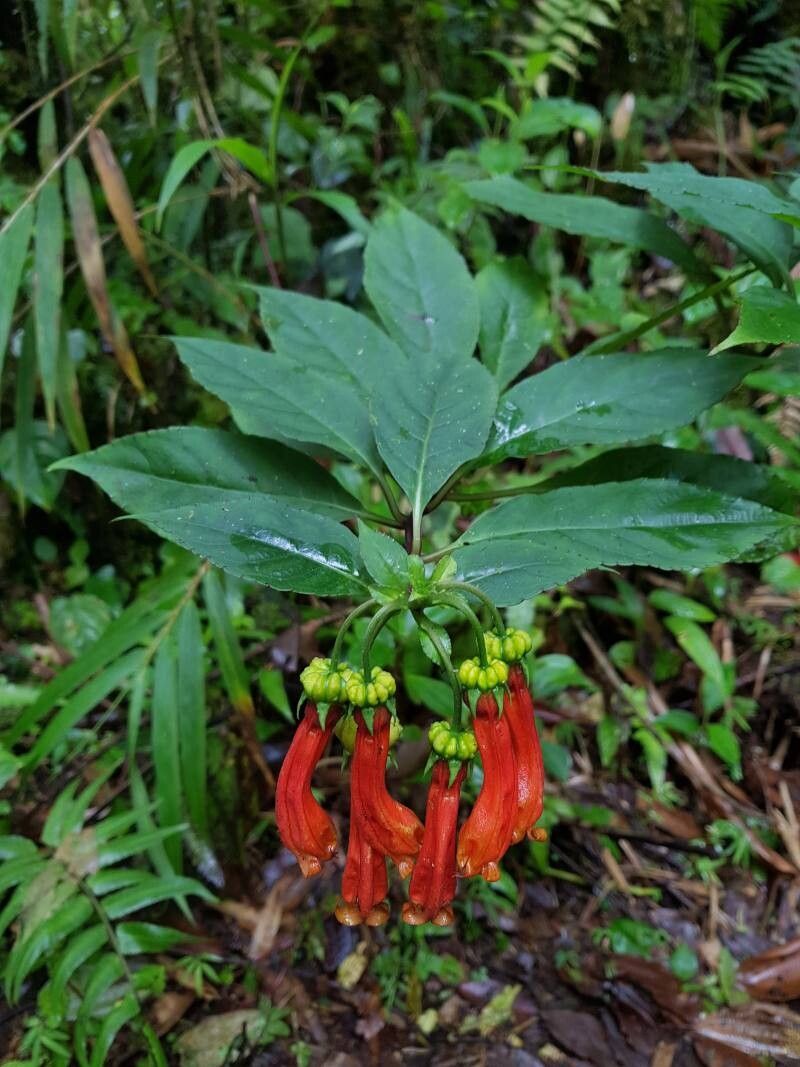
Hey there, fellow plant lovers! I’m so excited to talk to you today about a truly special plant: Centropogon solanifolius. If you’ve ever seen this beauty, with its gorgeous, tubular red flowers that just seem to glow, you’ll understand why it’s such a standout. It’s like a little fiery embrace in the garden, attracting hummingbirds and all sorts of friendly pollinators. And guess what? Propagating it yourself is not only possible, but incredibly rewarding. Seeing a tiny cutting unfurl new leaves and eventually become a robust plant is one of my favorite gardening joys. Now, for beginners, I’d say Centropogon solanifolius is moderately easy to propagate. It’s not quite as foolproof as a pothos, but with a little attention and care, you’ll likely be successful.
The Best Time to Start
My experience tells me that the absolute best time to start propagating Centropogon solanifolius is in the spring or early summer. This is when the plant is actively growing and has the most energy. You’ll want to take cuttings from healthy, non-flowering stems that are still quite vigorous. Think of it as taking a piece of that vibrant springtime energy and giving it a chance to start its own life. Waiting until the plant is putting on new growth is key; avoid taking cuttings from old, woody stems, as they tend to be less successful.
Supplies You’ll Need
Before we get our hands dirty, let’s gather our tools. Having everything ready makes the process so much smoother:
- Sharp, clean pruning shears or a razor blade: For making clean cuts, which is crucial for healthy rooting.
- A fast-draining potting mix: I like a blend of equal parts perlite and peat moss or coco coir. You can also add a bit of orchid bark for extra aeration.
- Small pots or containers: Clean ones are a must! 3-4 inch pots work well.
- Rooting hormone (optional but recommended): This gives your cuttings a nice boost. Look for one formulated for stem cuttings.
- A plastic bag or a clear propagation dome: To create a humid environment for your cuttings.
- Watering can or spray bottle: For gentle watering.
Propagation Methods
Let’s get down to the art of creating new Centropogon solanifolius plants. I’ve had the most success with stem cuttings, and it’s a straightforward method once you get the hang of it.
Stem Cuttings
- Select your cutting: Look for a healthy stem that is at least 4-6 inches long and has several sets of leaves. Avoid stems that are flowering or have just finished flowering. You want something that’s actively producing new growth.
- Make the cut: Using your clean shears or razor, make a clean cut just below a leaf node. A leaf node is that little bump where a leaf or branch emerges from the stem. This is where the magic happens, as it’s packed with hormones that encourage root development.
- Prepare the cutting: Gently remove the lowest 1-2 sets of leaves from the stem. If the leaves are large, you can even cut the remaining leaves in half to reduce water loss through transpiration.
- Apply rooting hormone (optional): Dip the cut end of the stem into your rooting hormone powder, tapping off any excess. Try not to get the hormone on the leaves.
- Pot it up: Fill your clean pot with your prepared fast-draining potting mix. Make a small hole in the center with your finger or a pencil.
- Insert the cutting: Gently place the cut end of the stem into the hole, ensuring that at least one leaf node is buried beneath the soil. Firm the soil gently around the stem to ensure good contact.
- Water gently: Water the soil thoroughly but gently, so you don’t dislodge the cutting. You want the soil to be moist, not waterlogged.
- Create humidity: This is crucial! Cover the pot with a clear plastic bag or place it under a propagation dome. You want to create a mini-greenhouse effect. Make sure the leaves aren’t touching the plastic if possible.
- Find the right spot: Place the pot in a bright location with indirect light. Avoid direct sun, which can scorch the tender cuttings.
The “Secret Sauce” (Pro Tips)
Here are a few little tricks I’ve learned over the years that can really make a difference:
- Don’t let the leaves touch the water (if using water propagation): While I primarily advocate for soil propagation for Centropogon solanifolius, if you experiment with water, it’s vital that the leaves stay above the water line. Any submerged leaves will quickly rot and can take the whole cutting down with them.
- Bottom heat is your friend: If you have a heating mat designed for propagation, use it! A consistent bottom temperature of around 70-75°F (21-24°C) can significantly speed up root development. It mimics the warmth of spring soil and gives those roots a real incentive to form.
- Be patient with watering: It’s easy to overwater during propagation, which leads to rot. Water only when the top inch of the soil feels dry to the touch. The humidity from the plastic bag will keep the leaves hydrated, so the soil doesn’t need to be constantly wet.
Aftercare & Troubleshooting
Once you start seeing signs of life – new leaf growth, or even better, tiny roots emerging from the drainage holes – congratulations, you’ve succeeded!
- Gradually introduce to normal conditions: As roots develop, you can slowly reduce the humidity. Start by opening the plastic bag for a few hours each day, then progressively leave it off for longer periods. The goal is to acclimate your new plant to the air in your home.
- Continue with bright, indirect light: Keep your new plant in a spot that gets plenty of light but no direct sun.
- Water as needed: Water thoroughly when the top inch of soil dries out.
- Common signs of failure: The most common issue is rot, which usually looks like mushy, black stems, or yellowing and wilting leaves that don’t bounce back. This is almost always a sign of overwatering and poor drainage. If you see this, it’s unfortunately usually too late, but you can try to salvage any healthier parts if they exist. Another sign of failure is a cutting that simply shrivels up and dies, which can happen if it dries out too much or the environment isn’t humid enough.
A Encouraging Closing
Propagating plants is a journey, and every gardener experiences a few setbacks now and then. Don’t be discouraged if your first attempt isn’t a roaring success. The key is to be patient, observe your cuttings, and learn from the process. Each time you try, you get a little bit wiser. Soon enough, you’ll have a whole collection of beautiful Centropogon solanifolius plants to share and enjoy. Happy propagating!
Resource:
https://identify.plantnet.org/k-world-flora/species/Centropogon%20solanifolius%20Benth./data