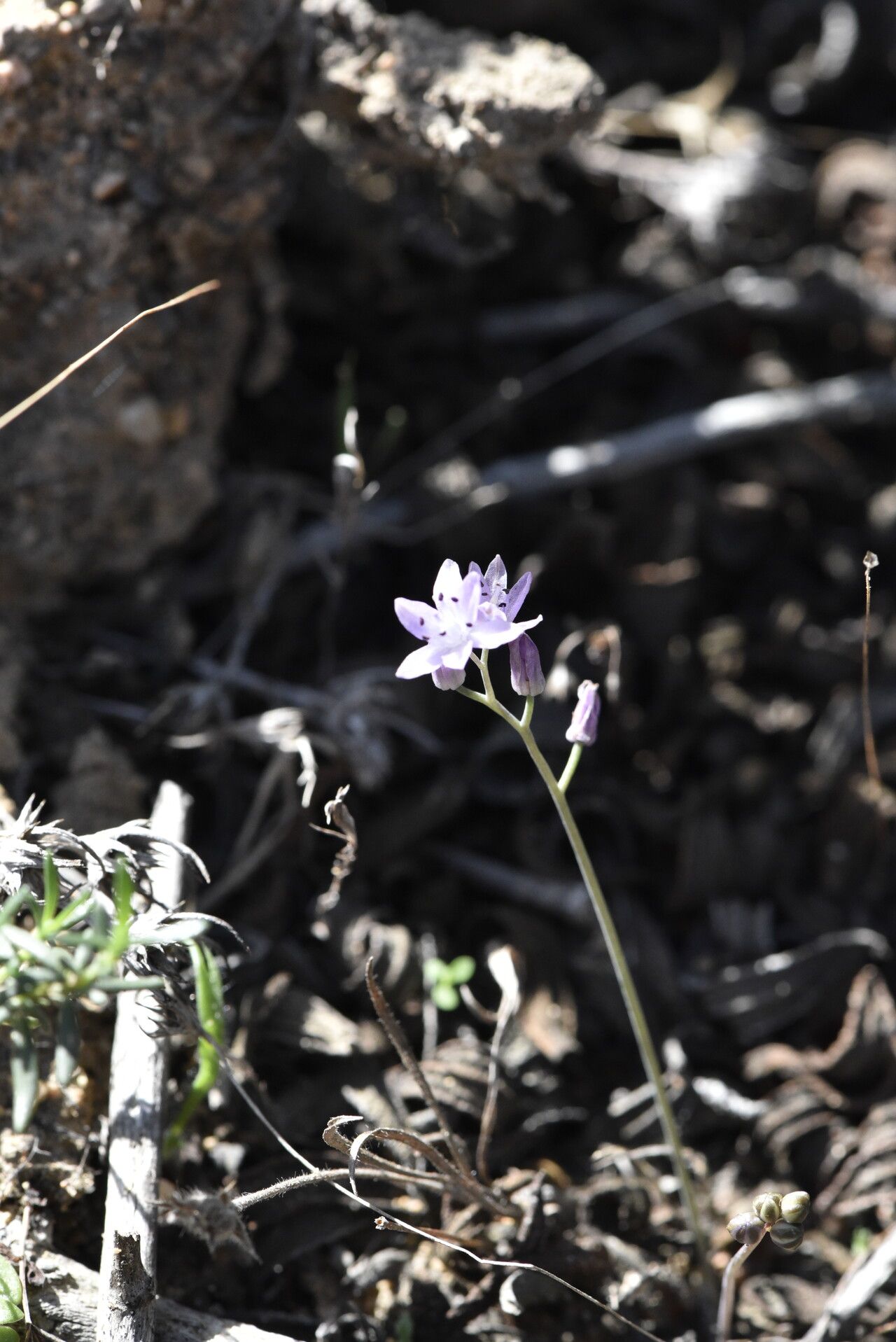
Hey there, fellow green thumbs! I’m so excited to talk to you today about a plant that truly brightens my garden: Prospero corsicum. You might know it by its common name, the Corsican Squill. It’s a darling of the bulb world, with its pretty little starry blue flowers that arrive in late spring or early summer, often when other plants are winding down. It’s a real charmer, especially if you have a spot that gets a good bit of sun.
And the best part? Propagating them is incredibly rewarding. It’s not the absolute easiest plant to start from scratch for a total beginner, but with a little patience and these tips, you’ll be well on your way to a whole patch of these beauties. Think of it as giving someone a gift of a little piece of your garden joy!
The Best Time to Start
When it comes to Prospero corsicum, timing is everything for the best success. I find that propagation is most successful right after the plant has finished flowering and its foliage starts to yellow and die back. This usually happens in late spring to early summer. The bulb has stored up all its energy from the growing season, and it’s in a perfect state to either divide or take cuttings. Trying to do it while it’s actively growing can stress the plant and often yields poor results.
Supplies You’ll Need
You don’t need a fancy greenhouse to propagate Prospero corsicum. Here’s what I usually have on hand:
- Sharp Pruning Shears or a Clean Knife: For making clean cuts.
- Potting Mix: A well-draining mix is crucial. I like to use a blend of seedling starting mix with extra perlite or coarse sand mixed in. This ensures good aeration and prevents waterlogged soil.
- Small Pots or Seed Trays: Whatever you normally use for starting new plants. Drainage holes are a must!
- Rooting Hormone (Optional but Recommended): This little helper can significantly speed up root development.
- Watering Can with a Fine Rose: For gentle watering.
- Labels and a Pen: So you don’t forget what you planted where!
- A Spot with Good Light and Moderate Temperatures: Not too hot, not too cold.
Propagation Methods
Prospero corsicum is generally propagated by division, which is by far the easiest and most common method. You can also sometimes take a leaf cutting, though this is less reliable and more fiddly.
Method 1: Division (My Favorite!)
This is like giving your existing bulbs a little room to breathe and grow.
- Dig Up Carefully: Once the foliage has yellowed and looks like it’s done its job, carefully dig around the parent bulb. You want to expose the cluster of bulbs and offset bulbs without damaging them. A garden fork can be helpful here, starting a bit away from the plant to lift the entire clump.
- Separate the Offsets: Gently tease the bulbs apart. You’ll often find smaller offset bulbs attached to the main bulb, or sometimes they’ve grown into their own little clusters. Gently pull or cut these offsets away from the mother bulb. Make sure each offset has at least a small bulb and a few tiny roots if possible.
- Trim Any Damaged Roots: If you see any broken or mushy roots, gently trim them off with your clean shears or knife.
- Plant Them Up: Fill your prepared pots with your well-draining potting mix. Plant each offset about 2-3 inches deep, with the pointed end facing upwards. If you’re planting multiple in a larger container, give them about 2-3 inches of space between them.
- Water Gently: Give them a good, gentle watering to settle the soil.
Method 2: Leaf Cuttings (For the Adventurous)
This method is more about what can happen if you’re a bit less careful with your divisions and have some extra leaves!
- Select Healthy Leaves: If you notice a leaf that’s easy to detach and looks robust, you might try this. Gently pull or cut a healthy leaf at its base.
- Apply Rooting Hormone: Dip the cut end of the leaf into your rooting hormone powder.
- Pot the Cutting: Insert the hormone-coated end into your well-draining potting mix. You can plant a few leaves in a small pot, leaving about half the leaf exposed to the air.
- Keep Moist and Patient: Keep the soil consistently moist (but not soggy!) and wait. This method takes much longer, and success isn’t guaranteed, but it’s a fun experiment!
The “Secret Sauce” (Pro Tips)
Here are a few tricks I’ve learned over the years that make a big difference:
- Don’t Rush It: Seriously, the biggest mistake is digging up bulbs too early. Wait until the foliage is completely yellow and dry. If you try division when the leaves are still green, you’ll likely damage the plant and interrupt its energy storage for next year. Patience is key here!
- Let Offsets Dry Slightly: Before planting your divisions, especially if you’ve had to clean them up a bit, it’s a good idea to let them air dry for a day or two in a shady, well-ventilated spot. This helps any cut surfaces callus over, reducing the risk of rot and fungal infections.
- Consider Bottom Heat (for Leaf Cuttings): If you’re trying the leaf cutting method, placing the pot on a gentle heat mat can significantly encourage root formation. It mimics the warmth of the soil that the bulb would naturally experience.
Aftercare & Troubleshooting
Once your new Prospero corsicum propagations are in their pots, treat them with gentle care.
- Watering: Keep the soil consistently moist but never waterlogged. Overwatering is the quickest way to invite rot. I usually water when the top inch of soil feels dry to the touch.
- Light: Place your newly potted divisions in a location that receives bright, indirect light. Avoid harsh, direct sunlight, which can scorch delicate new growth.
- Patience: They might not do much for a while. That’s okay! They’re busy building their root systems. You might not see new leaves for weeks or even months.
- Troubleshooting – Rot: The most common enemy is rot. If you notice your bulbs becoming mushy, black, and smelly, it’s a sign of overwatering or poor drainage. Unfortunately, there’s usually no coming back from this. Ensure your soil is well-draining and don’t water too frequently.
- Troubleshooting – No Growth: If you haven’t seen any growth after a good few months, it could be that the offset wasn’t viable, or it needs more time. A healthy bulb should feel firm, not soft and mushy.
A Little Encouragement
Propagating Prospero corsicum is such a satisfying way to expand your garden collections. It might take a little planning and good timing, but the joy of seeing those delicate blue blooms appear year after year, all thanks to your own efforts, is truly special. Don’t get discouraged if your first attempt isn’t perfect – gardening is all about learning and adapting. Just enjoy the process, get your hands in the soil, and celebrate every little sprout! Happy gardening!
Resource:
https://identify.plantnet.org/k-world-flora/species/Prospero%20corsicum%20(Boullu)%20J.-M.Tison/data